Suggested topics
 methodology
  disability justice
  somatics
  event
event  plant medicine
  research
  creativity
  practice
  protest
  resource
  tool
tool Search results for: somatics
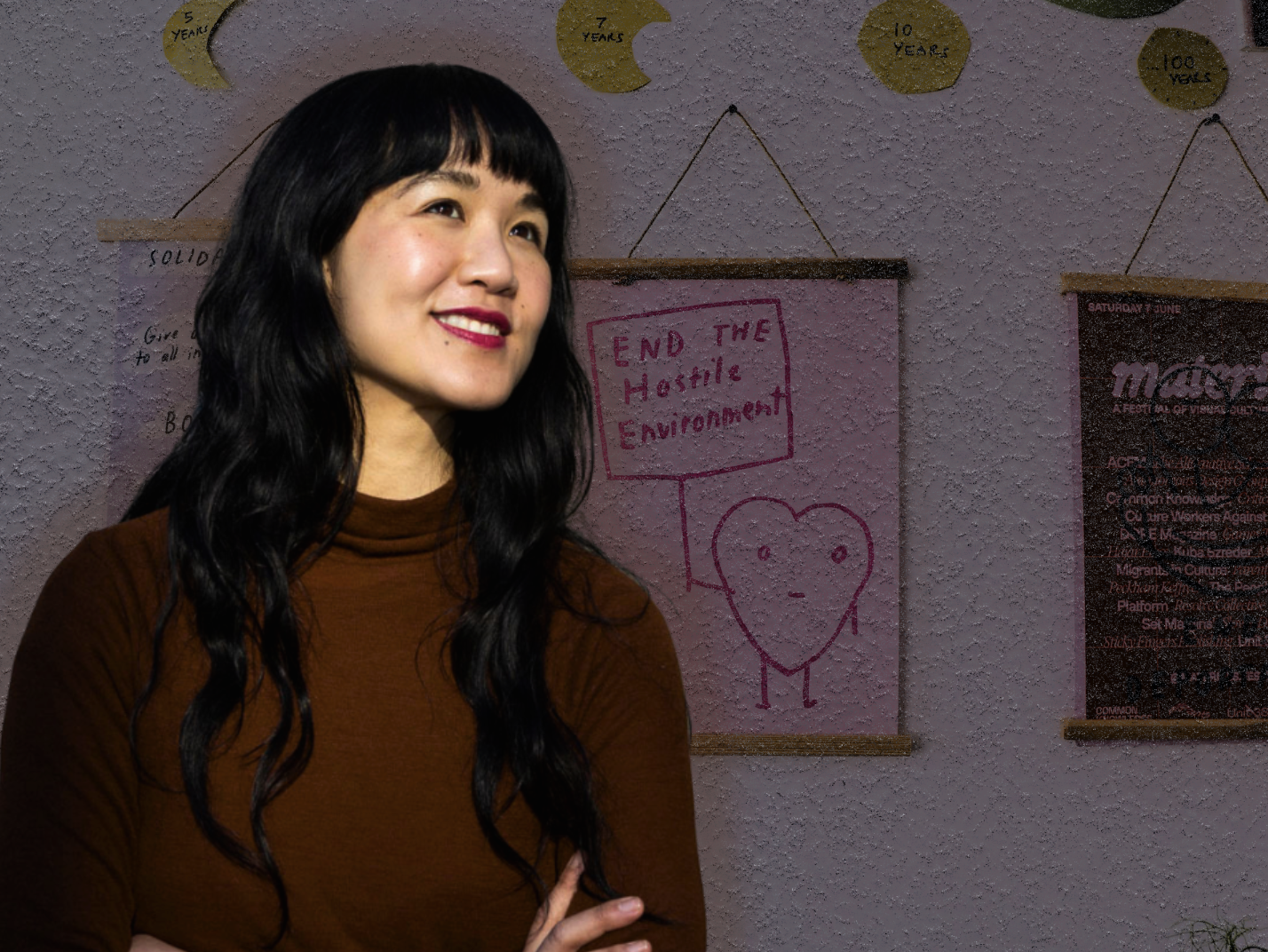
Inside Movement Medicine: Meet Joon-Lynn
Movement Medicine is a multi-year commitment to deepen in embodied practice alongside other organisers, movement workers, cultural workers, and healthcare providers. In this series we explore how it has impacted people individually and its importance in building towards liberated futures. Here, cultural organiser and co-founding director of Migrants in Culture Joon-Lynn speaks with Movement Medicine Senior Programme Lead Nishma Jethwa about her journey so far.
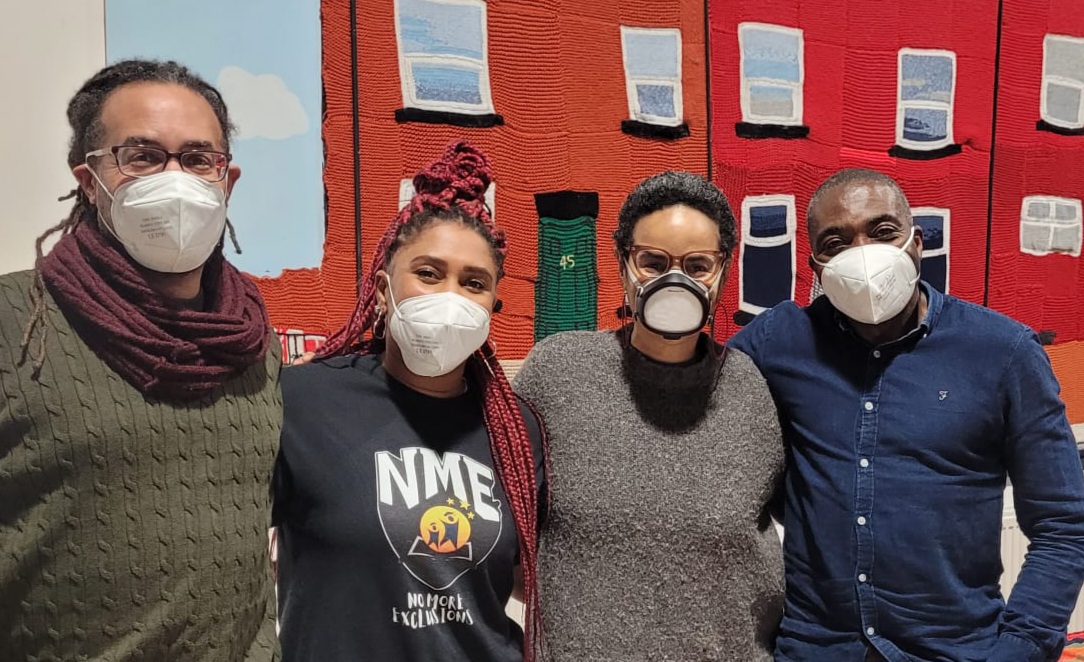
Rootwork: Re-membering for Black Liberation
“We have a felt sense that something’s wrong. Being able to feel it and work through that to get us back to the place of re-imagining: the dream space, connecting with our internal sense of hope and possibility that I feel can only come from the information our body gives us.”
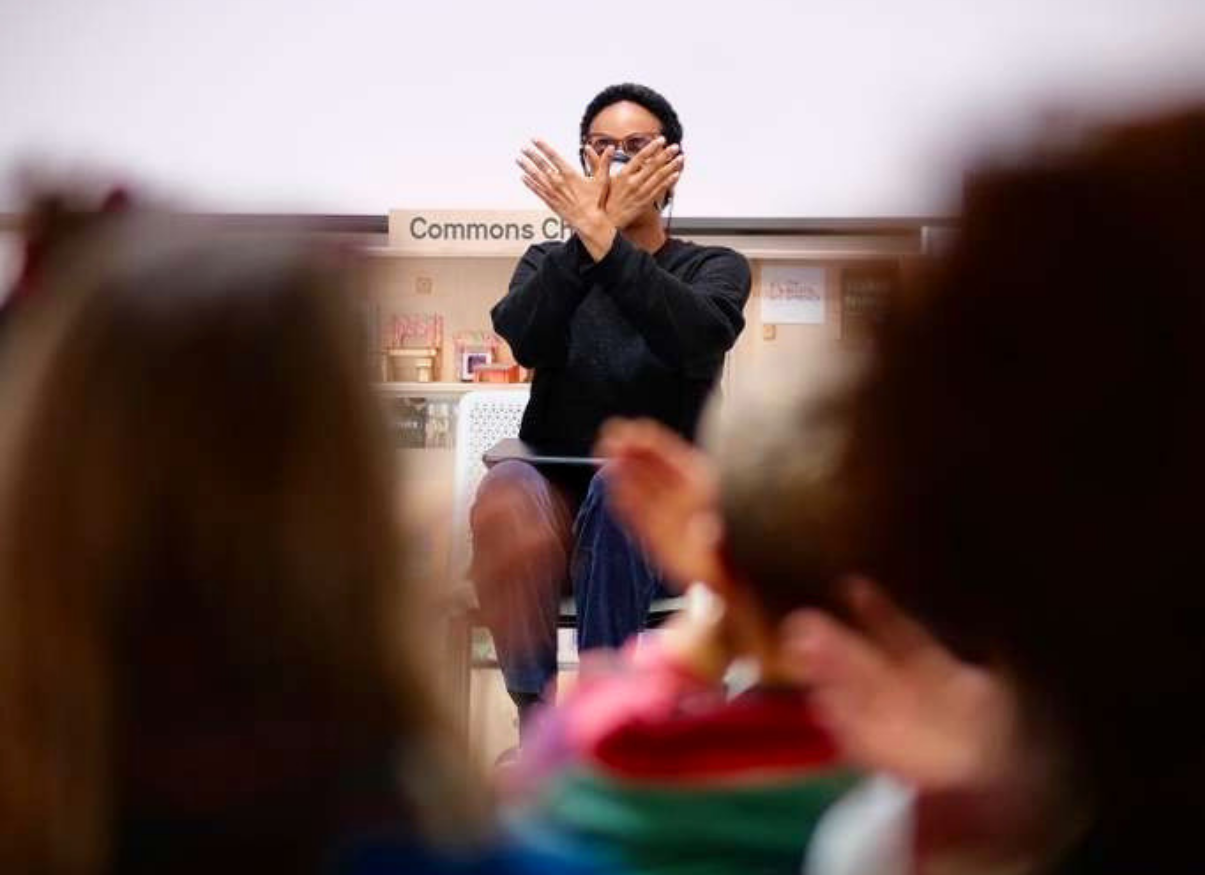
Rootwork: Reimagining the Future Starts in the Body
“Taking just a few minutes to land in our bodies changes the quality of how we are together. It creates a different foundation for connection, conversation, and collective imagination, and my hope is that we can all build on those skills and apply them to our daily practices.”
Rootwork: Like The Seeds of a Pomegranate
When it feels like the world is suspended in a state of permacrisis, community is the root that grounds us, giving us stability and hope. Not only does politicised somatics offer us an alternative pathway to reimagine our liberatory futures, but it also demands that we do it together. Like the seeds of a pomegranate, we nestle tightly against one another, connected by the white membrane that threads us together as one.
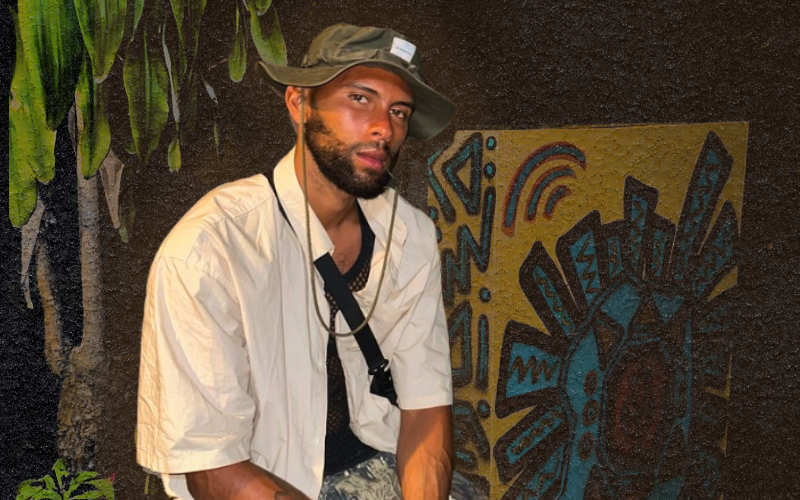
Inside Movement Medicine: Meet Macole
“I’m learning how it also starts from the self and how it is at the cellular level in which we create ripples and changes at a more macro scale. Innerstanding that being in the body, as a site of transformation, simultaneous effects broader structures. So much of the time we are understanding oppression by intellectualising it.”
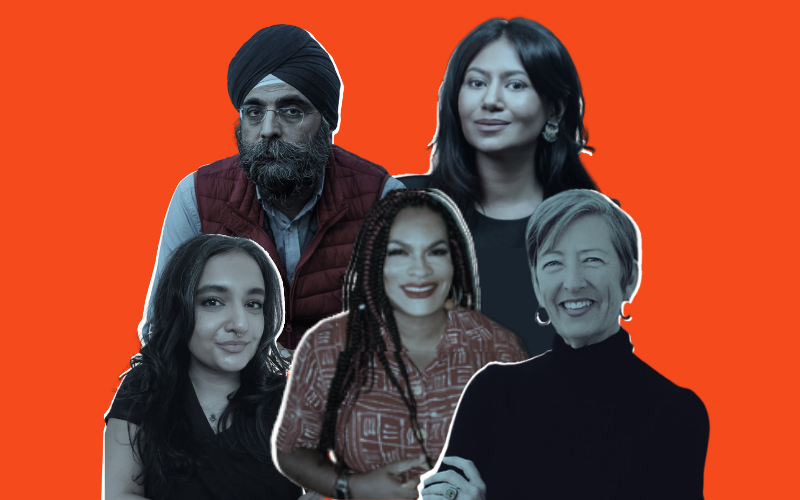
Building Collective Power & Preparing to Govern
Exploring the internal and external work. We offer this space for all of us – organisers, liberation workers, community leaders, healers, and abolitionists – to learn about the embodied competencies we need to cultivate in order to build and tolerate power, and reckon with what it costs us when, instead, we default to shame or making ourselves smaller.
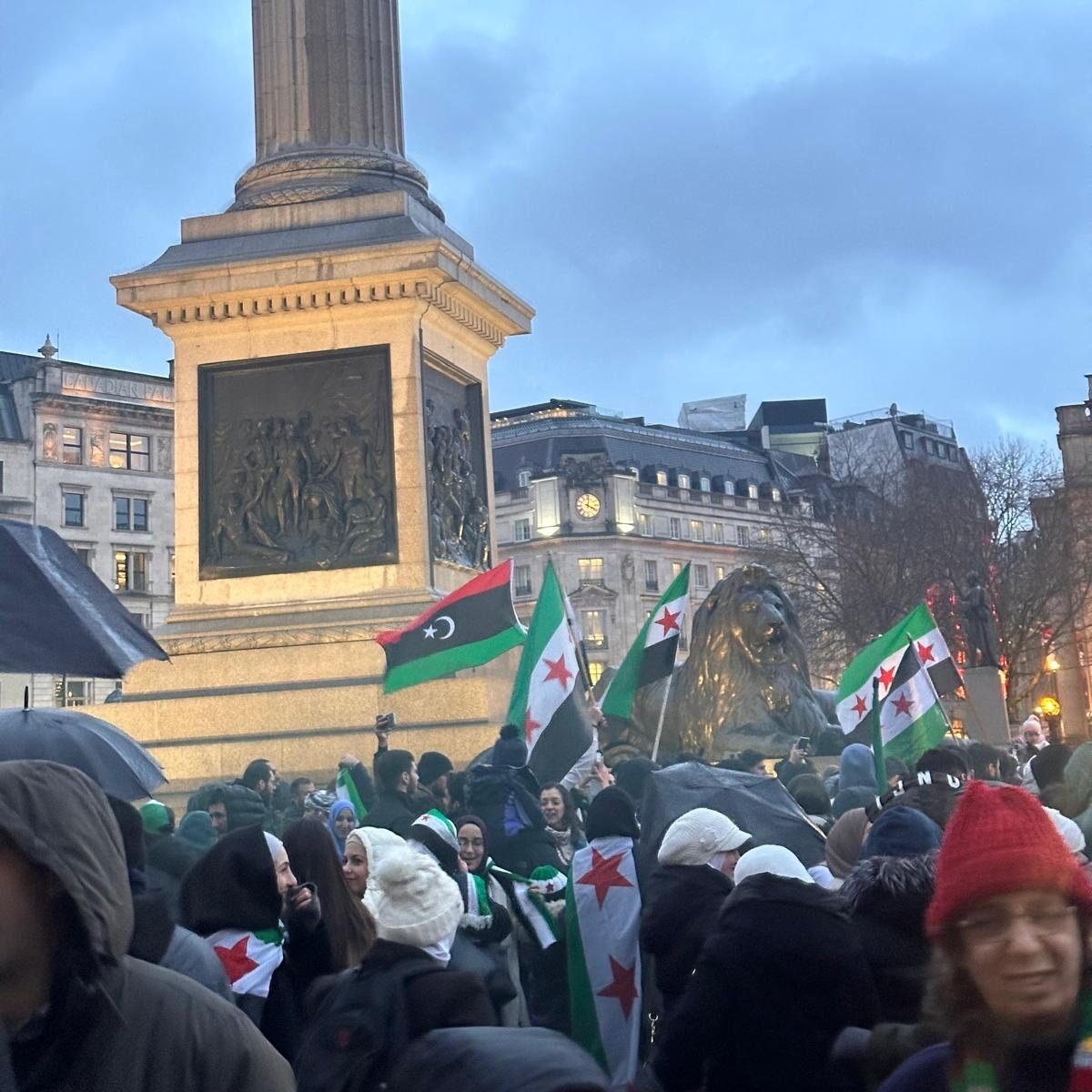
Politicised Somatics in Practice, Liberation, and Contradiction
Movement medicine practitioner-in-training dr dima mekdad explores how somatic practice illuminated and complicated her embodied experience navigating the liberation of Syria.
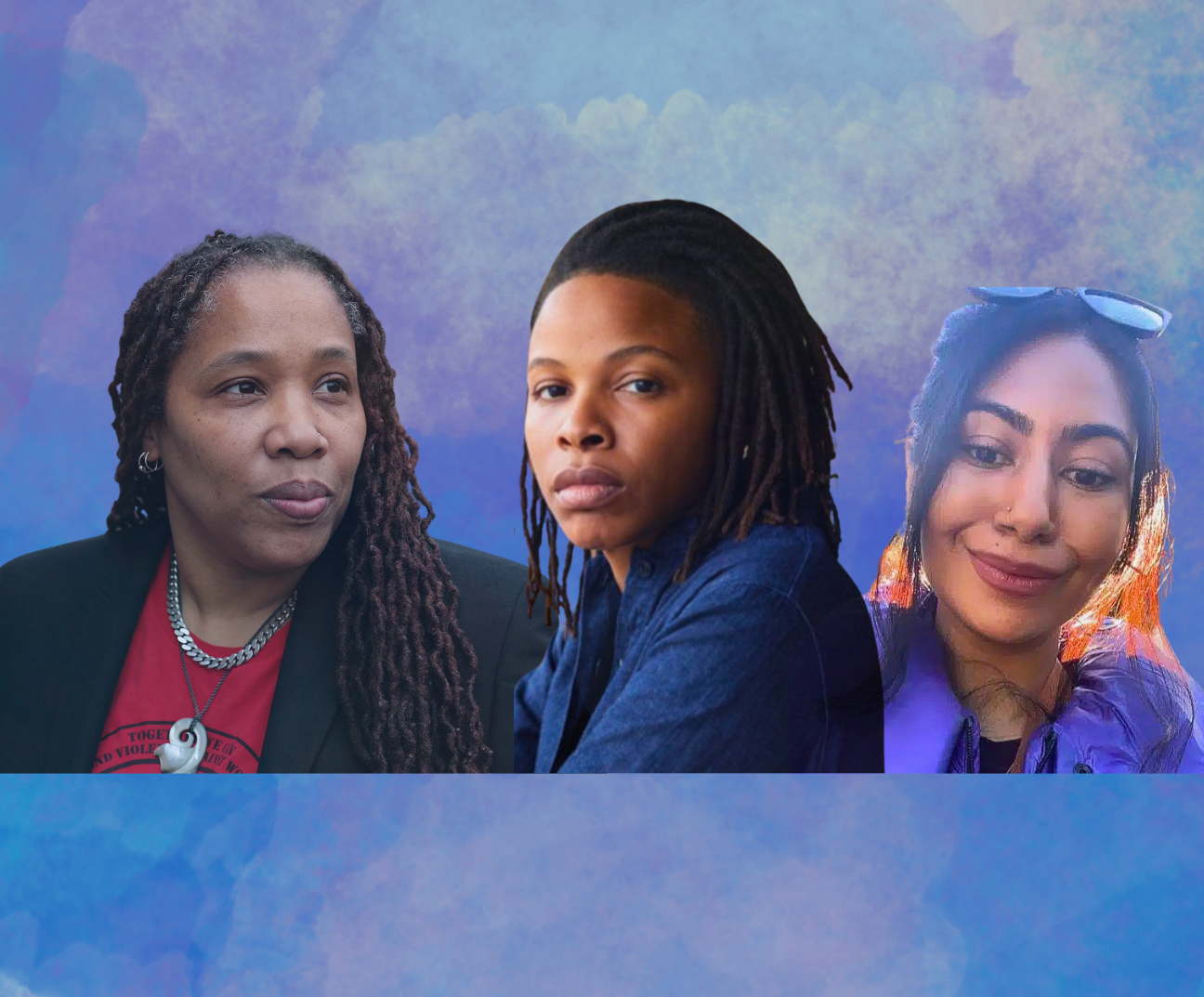
What It Takes To Heal
In the context of ongoing trauma and upheaval, how do we support connection, survival & embrace the medicine within us?
What It Takes To Heal is an exploratory conversation with Prentis Hemphill, Marai Larasi & Farzana Khan to reconnect us to the power of embodiment for collective transformation.
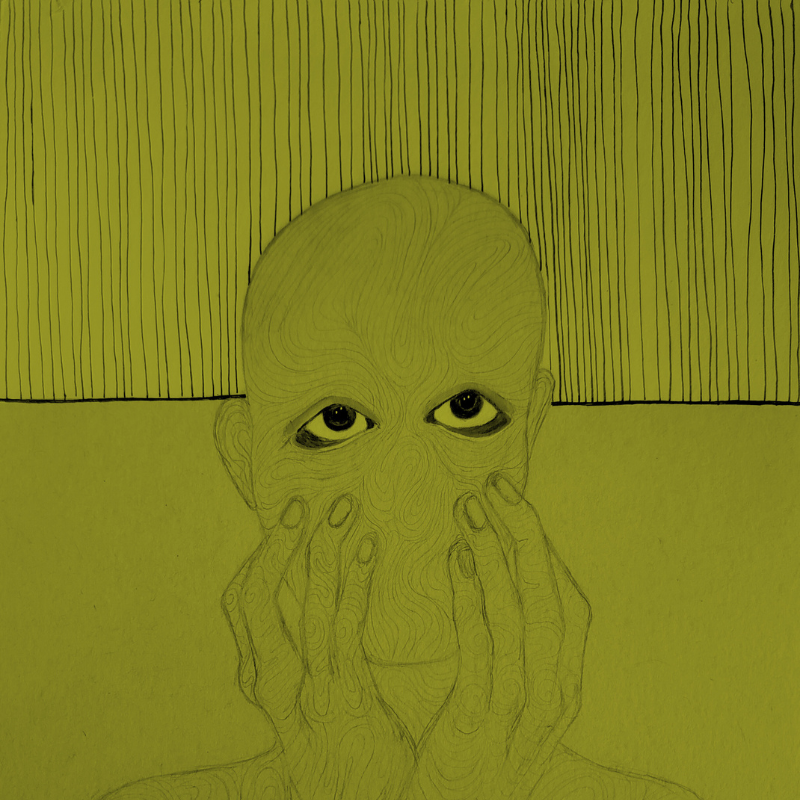
Second Lives
Musings on a second life by Chloe-Louise Adegoke and illustrations by Isha Joy
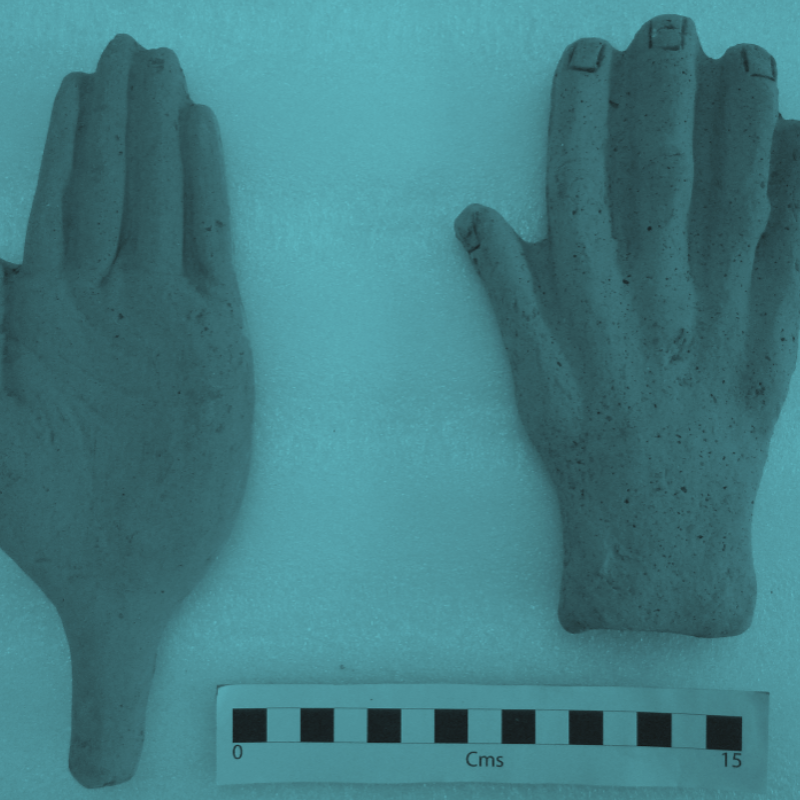
Care Under Capitalism: the work of health and sex
Care Under Capitalism — the work of health and sex by S.N.H.
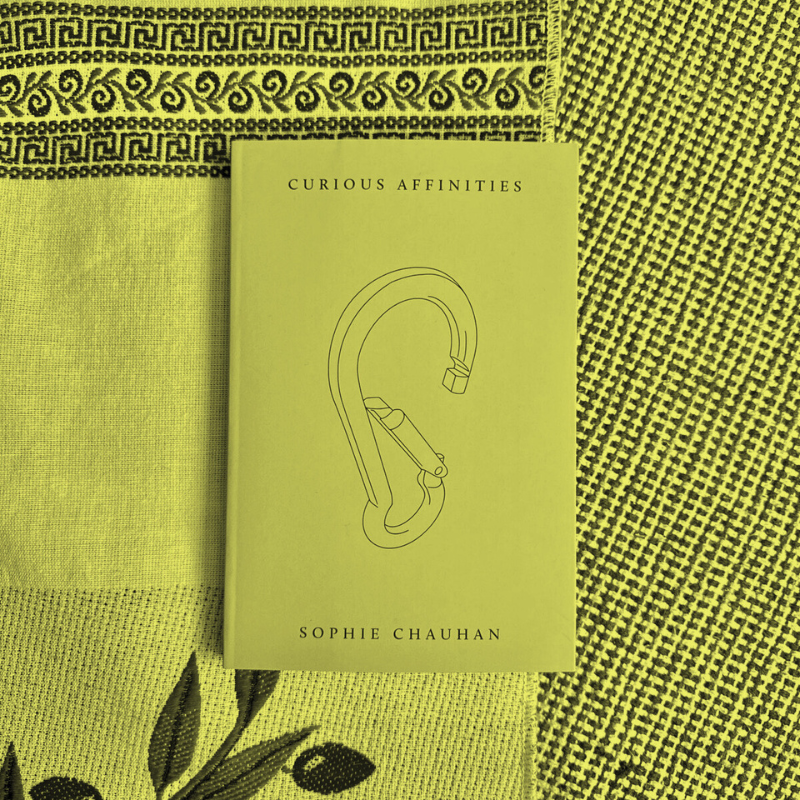
Is pain always political?
An excerpt from Sophie Chauhan’s book Curious Affinities
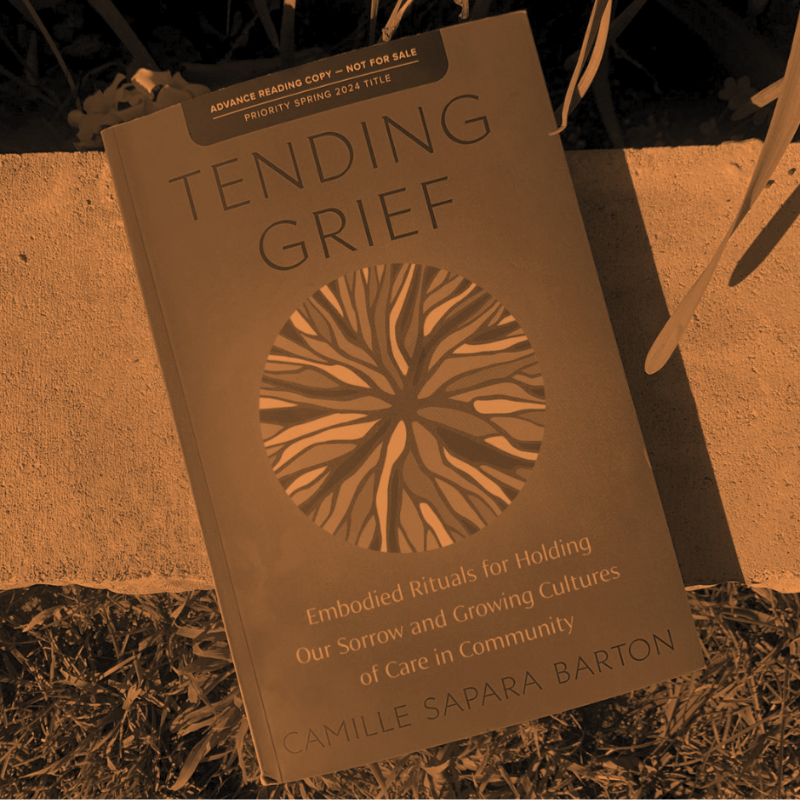
Why we need grief in our social movements
The Dagara people see regular grief tending as necessary for the health of the community. Why don’t we do the same? asks Camille Sapara Baron in this excerpt from their book Tending Grief
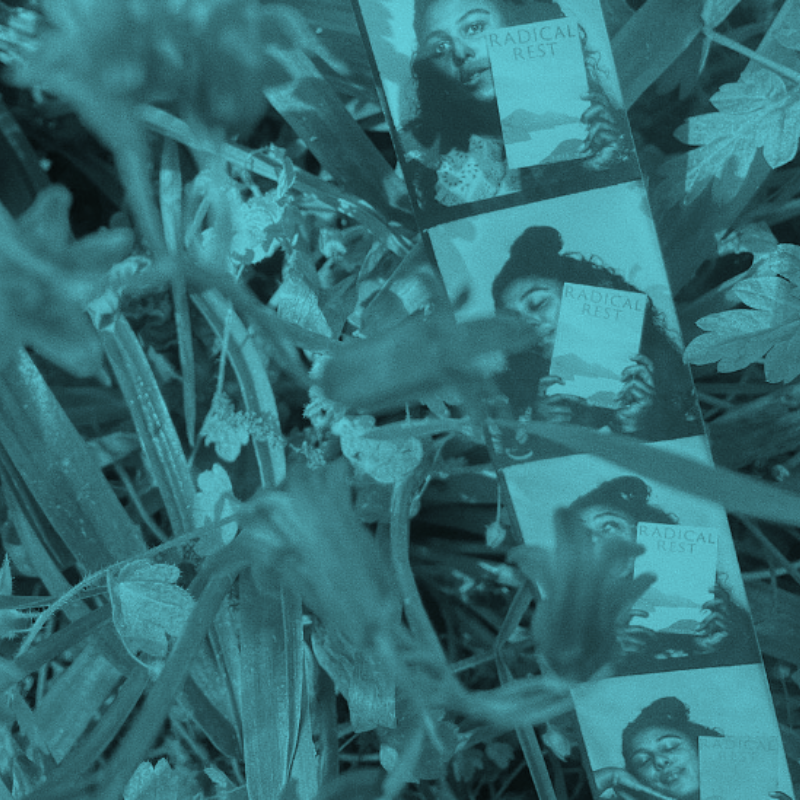
Holistic expeditions of a somatic cartographer
Evie Muir explores and navigates the body as a landscape.
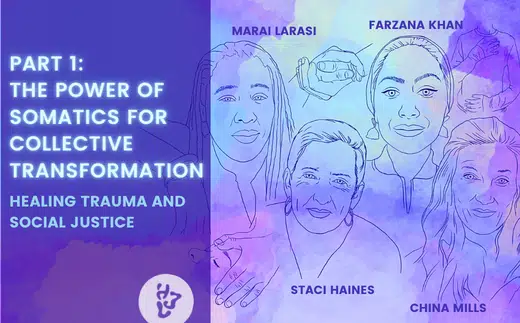
The Power of Somatics for Collective Transformation
A discussion about the need and potential of somatics in our social justice movements.
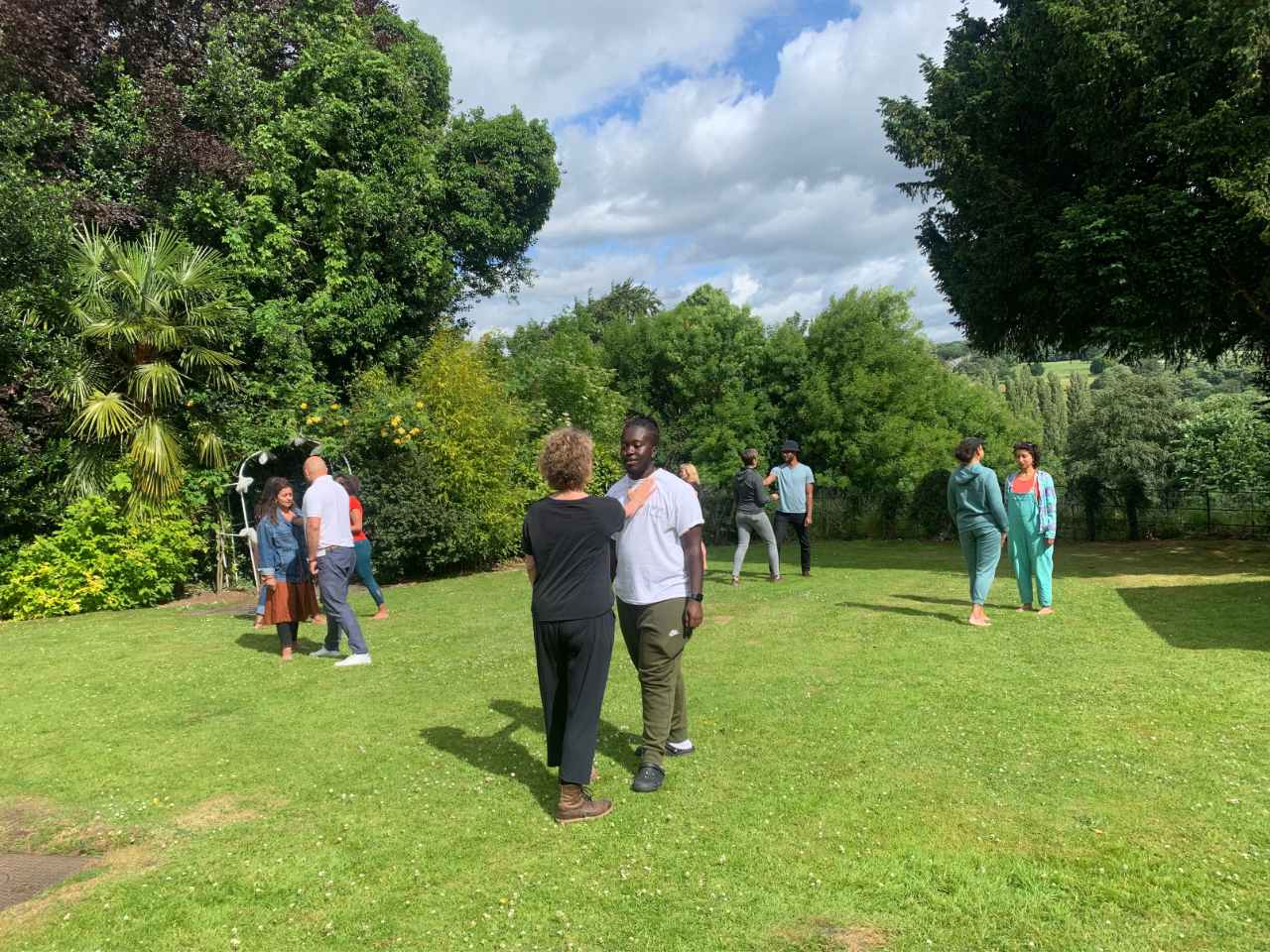
Movement Medicine
Developing a cohort of somatic practitioners embedded in social movements to support personal and structural transformation.

The Power of Somatics for Racial Justice
A discussion about the need and potential of somatics for racial justice.

An Introduction to Politicised Somatics
We are portals towards liberation.
Anchoring Resilience
A workshop sharing frameworks and practices to reduce stress, address trauma and build embodied resilience.
Somatic Healing: Therapeutic Touch for Healing Trauma
An introduction to healing trauma through somatic practices
Somatic Experiencing & Sexual Trauma Recovery
Introduces the concepts of somatic experiencing (SE) and co-regulation for healing sexual trauma, with practical tools for down-regulation.