Rootwork: Reimagining the Future Starts in the Body
No farmer just casts seeds without care and expects a fruitful harvest. Farmers lovingly tend to the soil so that it can deeply nurture the roots, supporting thriving crops and bountiful fruit. — Nkem Ndefo
Systems do not transform themselves—people do. This means that who we are, and who we are capable of being, matters in what we design and build. The lived realities of perpetual burnout, in-fighting, conflict, rupture and exhaustion are reflections of the socio-political tensions we are confronting, and we understand that the more capacity and resilience we have, the more powerful and bold work we can do outside in the world. There is no structural change without deep inner-led change that uproots and attends to root causes. The Resilience Toolkit by Lumos Transforms is a framework for trauma healing and real-time stress navigation. In November last year, Healing Justice Ldn & Lumos Transforms connected on the ground across the UK with the Rootwork tour – developed as part of wider commitments to building healing and health infrastructures in our communities and Movements.
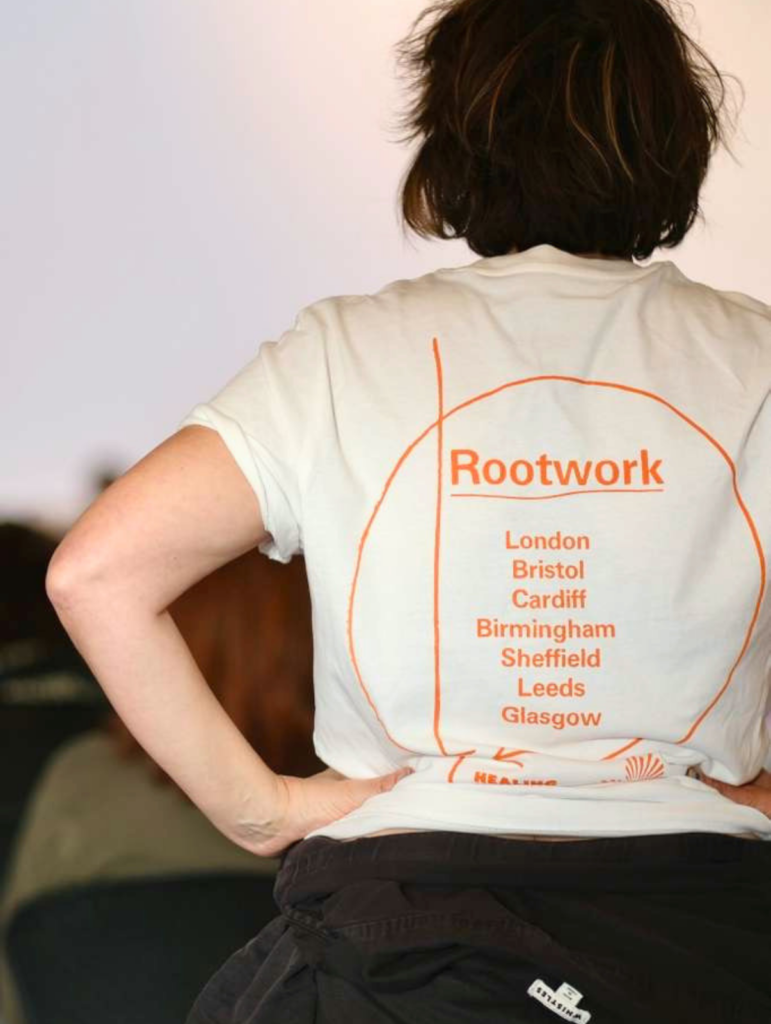
We connected with communities and organisers across London, Bristol, Birmingham, Sheffield, Leeds and Glasgow, and came together to practice real-time regulation tools that harness the body’s innate biology to settle overactive and detrimental responses – reclaiming energy, creative flexibility, and connection to ourselves, one another, and our shared liberation. We also offered six scholarships per city for people to become trained in The Resilience Toolkit and bring this work to their local communities.
Who would have thought that moving my wrists and tapping my legs or chest with opposite hands could create such a big shift in the way I respond to everyday experiences? Life over the last few months, with family and personal health issues, two small kids, and navigating PTSD was taking a toll on my body and mind. If someone had told me before I started Rootwork that these small actions could strengthen my resilience, reduce my heart rate and improve my mental clarity, I would have laughed. The truth is that the practices found in the Resilience Toolkit are slowly re-shaping entirely how I operate in life.
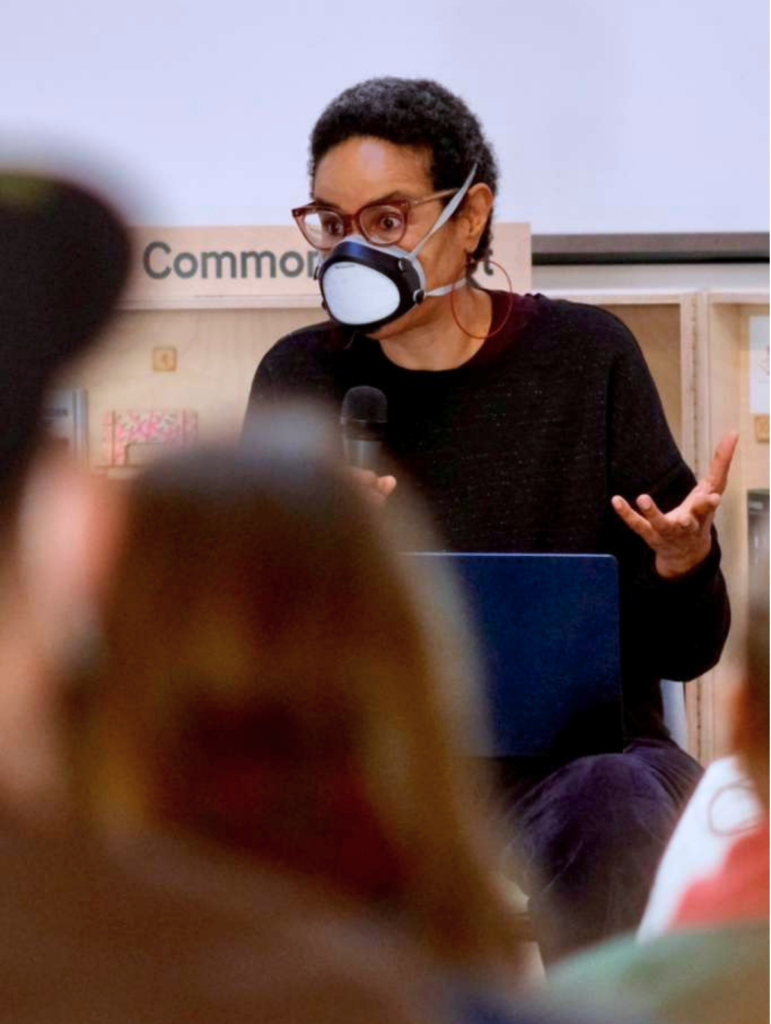
Nkem, our guide and facilitator, invited us to come back into our bodies and experience the surprising power of simple, small movements, while learning how to avoid becoming stuck in the same regressive loops and patterns that we are ultimately trying to re-design.
When we grow up in a context where the familiarity of rest, relaxation and joy are not the default for our nervous system, we default to urgency, denial, and hyper-independence. I see and feel this vividly from both Persian and Latin American backgrounds, where conditions of injustice and inequality are lived daily.
Nkem offered powerful framing to understand the role of these practices and their impact on our nervous systems, especially in the context we are living in today. Many communities are navigating ongoing trauma, systemic injustice, and deep uncertainty, making the ability to create even small conditions of safety within our bodies not a luxury, but foundational. In a world that has taught us to separate body from mind, we forget that how we feel shapes how we respond, think, imagine, and design. When we operate from urgency or survival, we risk recreating the very systems we want to change, limiting our imagination to familiar patterns. But when we experience even a small sense of regulation, something shifts. Our imagination opens, becoming more expansive, creative, and rooted in trust and possibility. We begin to design not just from problems, but from connection, curiosity, and even joy.
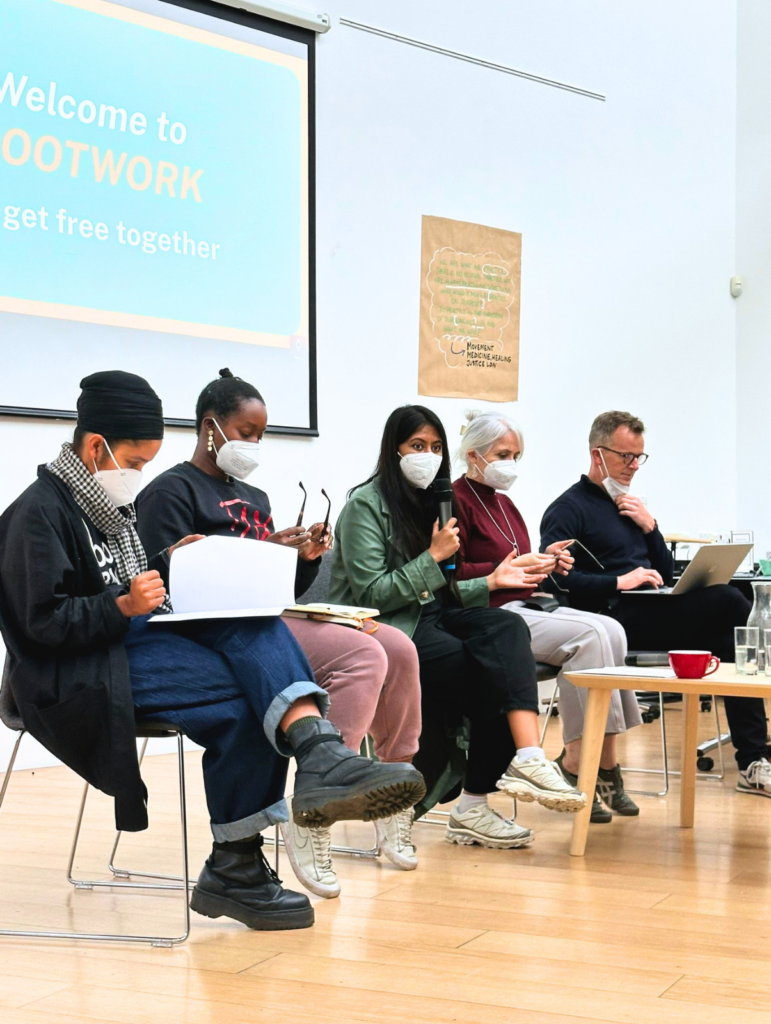
Being together in Glasgow for the Rootwork workshop grounded the practices in a shared experience, allowing us to connect not only intellectually, but physically, spiritually, and relationally. As we practiced, the room visibly softened, shoulders dropped, people yawned, the pace slowed. It wasn’t dramatic, but it was undeniable. In that space, it became clear that if we are serious about reimagining the future, we must include the body, not just the mind. A deeper presence emerged, more grounded, connected, and collective, gently loosening the grip of hyper-independence and making space for trust and interdependence.
It also felt deeply empowering. In many communities affected by injustice and trauma, there are few accessible spaces for self-regulation and healing. We are often taught, explicitly or implicitly, to ignore what is happening in our bodies, to push through, and to externalise or suppress our responses in order to survive. Over time, this creates disconnection, not only from ourselves but from each other. What I experienced here was different. By normalising simple practices and creating small rituals of stabilisation, we began to relate to ourselves and each other in new ways.
What surprised me most was how lasting the impact felt. Even after returning home and to work, many of us carried a greater sense of grounding and calm. There was less reactivity and more choice in how we responded. It created space to build awareness and expand our capacity to respond from a deeper place, one of intuition and embodied knowing.
Since then, I have started to integrate these practices into my daily life. Using Nkem’s recommendation, I have built this through micro-habits, linking these practices to things I already do, like brushing my teeth or in between tasks. This has helped me build a steady baseline of resilience in a very simple and straightforward way. I also return to these practices in moments when I feel dysregulated, taking a pause to stabilize before moving forward. The more I practice them in calmness, the easier it is to access that feeling in my body when things are unexpected or difficult. Over time, I can feel that sense of safety staying with me for longer.
I began to bring this into my work and community spaces. In one work setting, where things felt rushed and reactive, I invited the group to pause, take a few breaths, and do a butterfly tapping exercise and stroking our arms while breathing slowly. The shift was immediate. We all showed up differently, with more presence, more calm, and more openness to each other. The effect was so obvious that we then incorporated these into other meeting spaces, especially before moments that require deeper thinking and imagination.
In community spaces, I have been inviting small moments of arrival, especially when people are coming in from busy or stressful environments. Taking just a few minutes to land in our bodies changes the quality of how we are together. It creates a different foundation for connection, conversation, and collective imagination, and my hope is that we can all build on those skills and apply them to our daily practices. Sharing these insights with friends and communities has sparked beautiful conversations.
After a few months of practice, it’s clear this work has the potential to fundamentally shift how we relate to the present and imagine the future, rooted in mindful response and connection. But for it to reach more people, it requires time, funding, and sustained support. What we experienced feels like just the beginning. There is so much more to explore in somatic work, not only for individual wellbeing, but for creating the conditions for communities to feel more connected, trusting, and fully present with one another.
What started as small, almost too simple to take seriously movements has become something much bigger, a different way of being in my body, my work, and my relationships. And maybe that’s the point: the future doesn’t start with something grand, but with something small we can feel and experience. If we are serious about reimagining the future, this is not optional work. Regulation, presence, and safety in the body are where that future begins.
About The Author:
Nasim Forootan (she/her) is a Community Weaver, Learning Designer, and Facilitator working at the intersection of futures, democracy, enterprise, and systems change. She designs participatory spaces that build trust, unlock collective power, and help people imagine and create more regenerative futures. She is passionate about designing from a lens of hope, love and joy as mechanisms of resistance in a polarised society. Nasim is a Landecker Democracy and Humanity in Action Senior Fellow. She currently works with Soul.com as a Community Builder and Facilitator.
About The Rootwork Tour:
In November 2025, Healing Justice Ldn partnered with Lumos Transforms and local partners to seed the Resilience Toolkit across the UK in our Rootwork tour. Developed by Nkem Ndefo, the Resilience Toolkit is a somatic framework for first-stage trauma healing (stabilisation and resourcing) and real-time stress navigation.
We are honoured to have collaborated with our peers at Knowle West, WeCanMake, We Are More, Civic Square, Peaks of Colour, Migrant Action, NME Leeds & Exhale Group who enabled the Rootwork programme to happen across England and Scotland. We learnt a lot from them during this process and hope to continue doing this work together in the future. We extend deep gratitude to our long-term collaborator and friend, Nkem Ndefo for her commitment and rigour to this tour and this work, and to all of our contributors who wrote these blogs offering insights into the different ways Rootwork is applied across different contexts and realities.
The lived realities of perpetual burnout, in-fighting, conflict, rupture and exhaustion are reflections of the socio-political tensions we are confronting, and we understand that the more capacity and resilience we have, the more powerful and bold work we can do outside in the world. There is no structural change without deep inner-led change that uproots and attends to root causes.

Related
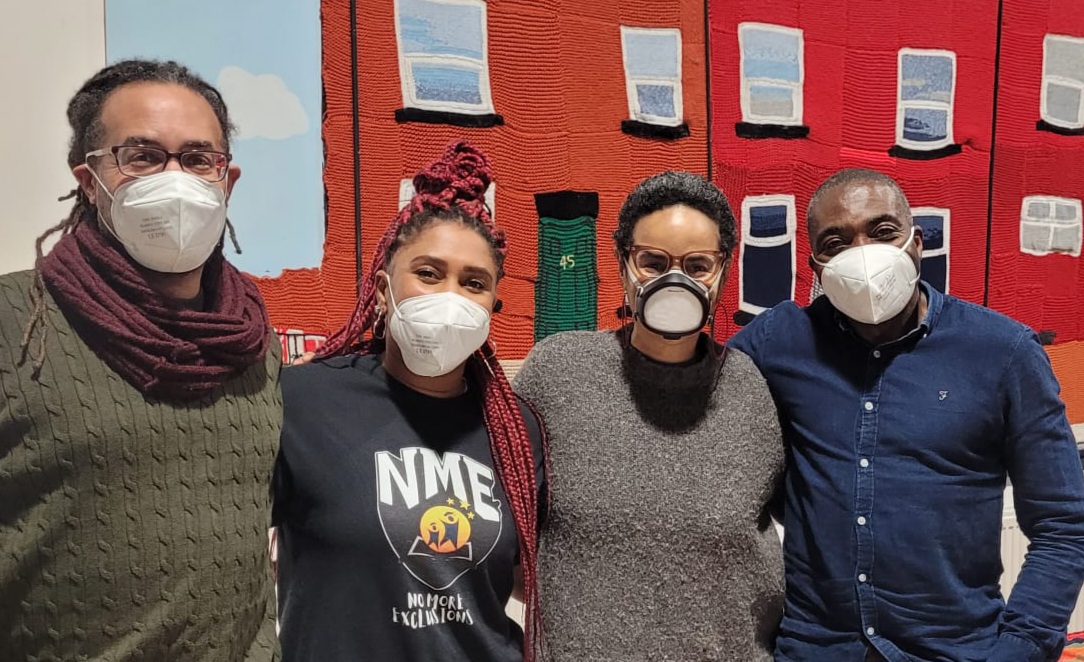
Rootwork: Re-membering for Black Liberation
“We have a felt sense that something’s wrong. Being able to feel it and work through that to get us back to the place of re-imagining: the dream space, connecting with our internal sense of hope and possibility that I feel can only come from the information our body gives us.”
Inside Movement Medicine: Meet Macole
“I’m learning how it also starts from the self and how it is at the cellular level in which we create ripples and changes at a more macro scale. Innerstanding that being in the body, as a site of transformation, simultaneous effects broader structures. So much of the time we are understanding oppression by intellectualising it.”
Building Collective Power & Preparing to Govern
Exploring the internal and external work. We offer this space for all of us – organisers, liberation workers, community leaders, healers, and abolitionists – to learn about the embodied competencies we need to cultivate in order to build and tolerate power, and reckon with what it costs us when, instead, we default to shame or making ourselves smaller.
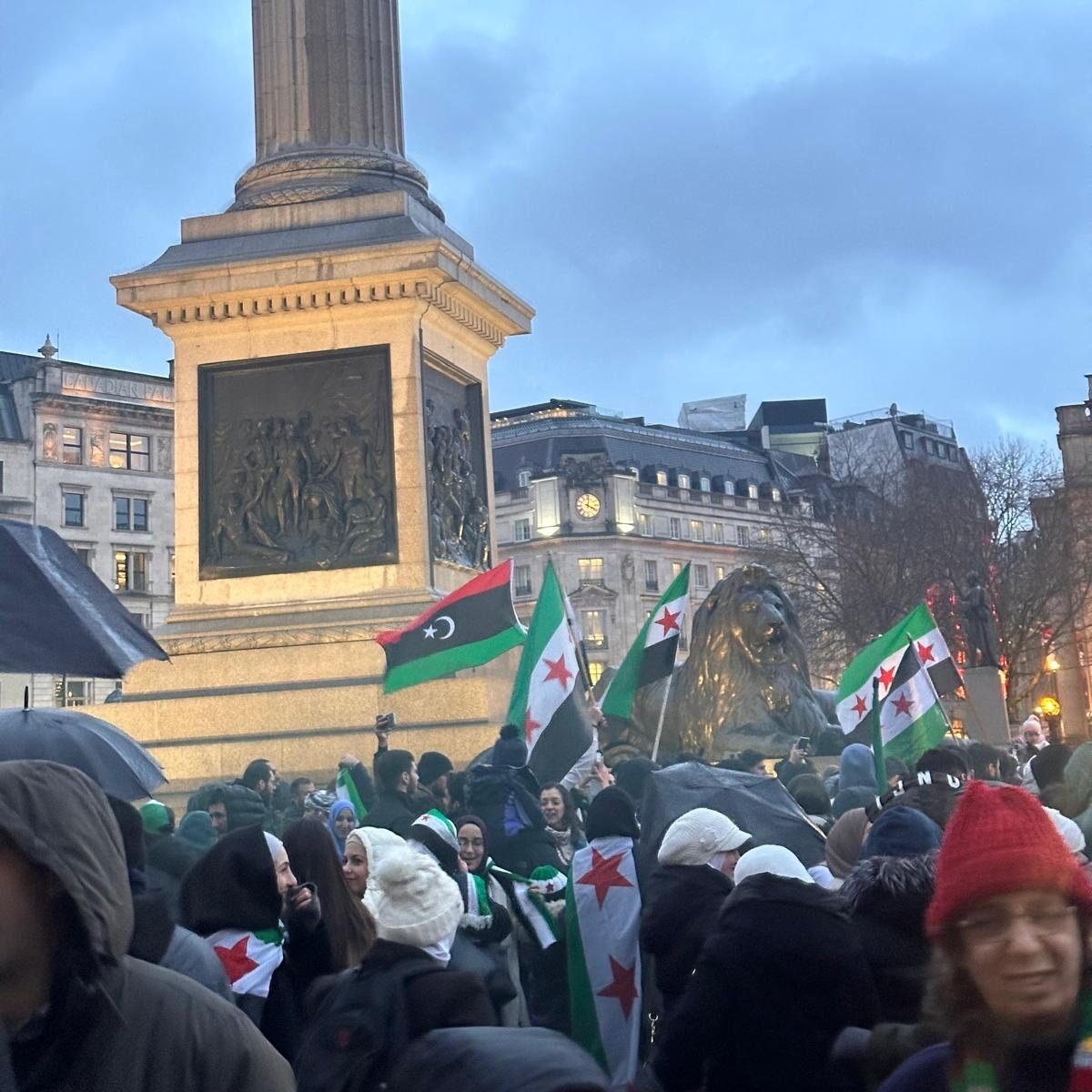
Politicised Somatics in Practice, Liberation, and Contradiction
Movement medicine practitioner-in-training dr dima mekdad explores how somatic practice illuminated and complicated her embodied experience navigating the liberation of Syria.
Somatic Experiencing & Sexual Trauma Recovery
Introduces the concepts of somatic experiencing (SE) and co-regulation for healing sexual trauma, with practical tools for down-regulation.