Rootwork: Re-membering for Black Liberation
Systems do not transform themselves—people do. This means that who we are, and who we are capable of being, matters in what we design and build. The lived realities of perpetual burnout, in-fighting, conflict, rupture and exhaustion are reflections of the socio-political tensions we are confronting, and we understand that the more capacity and resilience we have, the more powerful and bold work we can do outside in the world. There is no structural change without deep inner-led change that uproots and attends to root causes. The Resilience Toolkit by Lumos Transforms is a framework for trauma healing and real-time stress navigation. In November last year, Healing Justice Ldn & Lumos Transforms connected on the ground across the UK with the Rootwork tour – developed as part of wider commitments to building healing and health infrastructures in our communities and Movements.
This is the final of five reflections shared by Rootwork partners and participants. Read/watch & share the others.
In November last year NME Leeds, and Migrant Action co-hosted the Leeds leg of the HJL Rootwork tour. Sai and Saphra, from NME Leeds, met up over a herbal tea to discuss: why they were keen to partner on the event; how politicised somatics can aid in – and against – the schooling system; and the importance of honouring the survival techniques of our elders and ancestors.
Sai: I’m here with Saphra, and we’re representing NME Leeds, who co-hosted the Rootwork event with Migrant Action. So to begin, why did we want to be a part of this event?
Saphra: Having come across Nkem’s work a few years ago and training with the Embody Lab, it felt really important to bring this work to Leeds. There are very limited options for Black and Brown folks to access this kind of healing within the city, as many spaces tend to be white-centered using quite Eurocentric language and means of expression. To build on the resilience that we already have, but working it through our bodies is essential in these times.
Sai: And we know that Nkem does offer a racialized analysis. I first experienced Nkem’s work through Anchoring Resilience during lockdown. There was a lot of tension, a lot of fractions, exasperated by Covid, in a couple of the groups I was working with during that time. That video and a subsequent engagement with Lumos Transforms training really cemented the need for empathy, the need to understand where people are in the spectrum of fight, flight, freeze. So, yeah, I was excited for us to host Nkem in Leeds and to partner with Fidelis and Nova from Migrant Action to deepen that learning for our communities.
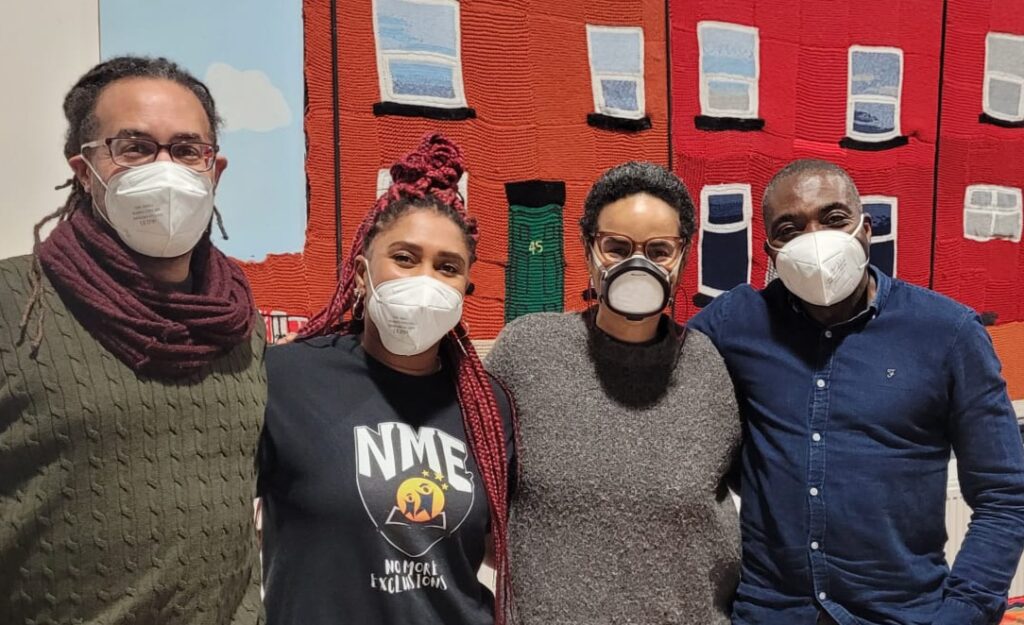
Saphra: From NME’s perspective, this event also made sense as our work is about stopping exclusions completely. Minimizing the impact that state violence has on primarily Black and Brown bodies, the long term impact that this has on those involved in the education system and being able to offer tools and means of physical healing.
Sai: And you did have your own child in the space which again emphasises that this work has to be intergenerational, that we learn from, and alongside, our youngers and our elders.
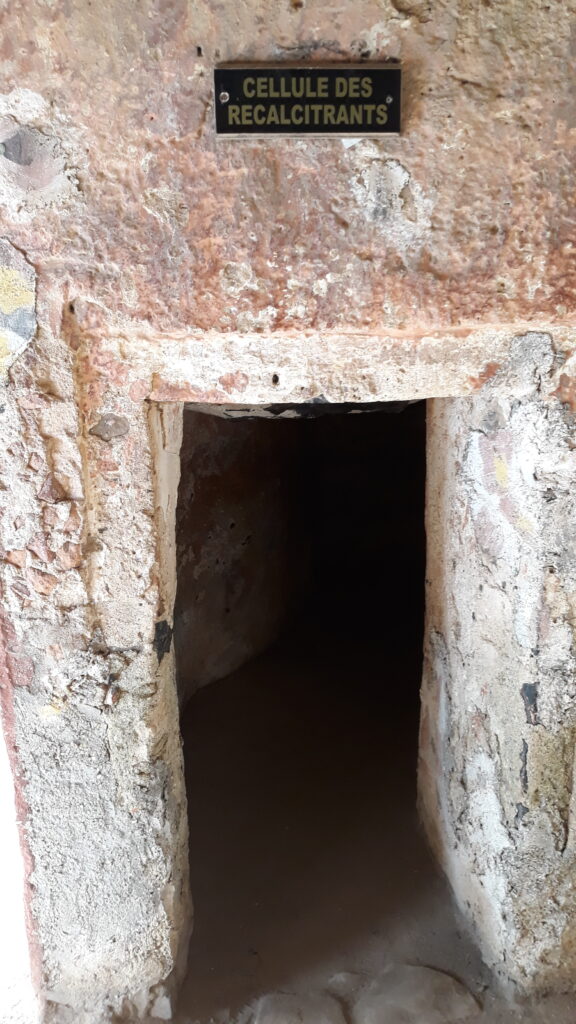
The necessity for thinking intergenerationally incites in me the experience I had when I visited a former slaving port on Gorée island, Senegal. What really impacted me was the three holding cells: one for men, one for women and one pen which was much smaller – you had to stoop down to get inside – labelled “recalcitrants”. For the stubborn ones, defiant ones, those who resisted. You could just imagine the violence of even being forced into there. And because I was there on a retreat, doing Kemetic yoga, this really impressed upon me how somatics is ancient work, how wisdom contained in hieroglyphs models these body techniques, and that throughout all our history, we’ve had to rely on breath. Not to even mention the horrors of the Middle Passage: the confines, the horror, the terror of that experience, and how much breath, how much rhythm, how much contorting body and adapting would have been necessary to survive.
Saphra: Even as you were saying that, my body was having a physical reaction. The amounts – over generations – our bodies have had to come through. The education system dismembers us, cuts us off from what we truly know and believe in ourselves from the moment we are birthed into this society, the lasting colonial legacy of the trafficking of our enslaved ancestors. This work is slowly unpacking that and allows us to re-member, connect back.
We have a felt sense that something’s wrong. Being able to feel it and work through that to get us back to the place of re-imagining: the dream space, connecting with our internal sense of hope and possibility that I feel can only come from the information our body gives us. This society does not afford us to do the things we need to do, like shake and scream. Just hundreds of years of repression in our muscles, tissues, our bones. We definitely need to have more spaces of expression and release.
Sai: And as Nkem reminded us in the session, this is not just a human thing. It’s a mammalian instinct in terms of tremoring – we have a natural reset that we can call upon. Those words: re-membering and dismembering. I love that framing because, as you say, what the education system does is divorce our head from body. Eurocentric Cartesian logic. Section. Divide. We’re dismembered from trusting our feelings, whereas, we intuitively feel, we know, that individual healing has to be part of community care, community healing, Ubuntu.
Saphra: Absolutely. I think one of the one of the many decisions to take my child out of that system was anger. The real anger and rage I felt at just the simple thing of him needing to go to the toilet and being policed. We spend years teaching them to “listen to your body, trust yourself”, and then they get put into these spaces where they’re then told, “No, don’t listen to your body. You’ve got this window of time”.
Sai: There’s so much value in these alternative spaces, true education. And for my own children who are in education, I do see that as a form of childcare – which needs constant debriefing from – but I am very prepared to bring them out if the systemic violence versus balancing the ability for us to work tips over.
Nkem also mentioned the wellness industry that this work counters – the co-option of words and concepts. So schools may introduce meditation, mindfulness, well-being days… but is there a real understanding of the violence of the system itself on an everyday level? When there’s still punitive practice – which we know is racialised and not accommodating to different cultural and learning needs – then it only goes so far.
Saphra: Exactly. Children’s bodies are reactive. Well, all of us, are having an awakening to what our bodies are naturally communicating. I don’t think it’s any coincidence that we are pathologising very real behaviours that are acts of resilience. We’re learning that it’s okay to shake or have a twitchy leg: that’s information to take in. People are now seeing that this is how they show up in the world; this is how my body is reacting to the ongoing violence that we’ve had to succumb to for so long. We’re seeing the crumbling of society, everything that we’ve known to trust, and at the end of the day, what we have is ourselves. Our bodies give us the information that this isn’t okay, this is wrong, and we have to have the tools to be able to trust and follow that. But as you’ve alluded to, a lot of us don’t have choice. School may be the only option but it deprives us of choice to be with our children in a way that maybe we want to, but are not equipped to. All part of a very well curated ideology.
Sai: It’s also worth acknowledging that we did have some elders in the room, because there is certainly a growing awareness about well-being and somatics, which maybe wasn’t there for our parents generations, you know, that stiff upper lip, a migrant culture of working twice as hard, sacrifice, battling just to be seen. We definitely have to honour what our elders went through to give us a place in this country, which often didn’t include being able to rest. And we see the toll of that. We see so much burnout from elders and our contemporaries, and the effects of violence that they’ve just powered through. It’s so important that we are able to connect this work to some of the practices and survival techniques that our elders already have.
Saphra: Yeah, bring back the Blues, bring back the shubs. Bring back the real joys of Carnival. The dancing, the music, the release. Going to church every Sunday, wailing and crying and singing and shaking and speaking in tongues is all a part of our rich history, and which even though it has been attacked and eroded, it’s within us. The joy elements as well as the fight and the resilience. We have to recognize the shoulders we stand on.
Sai: You’re right in pinpointing the deliberate attack on our spaces so shout-out to the venue, to Oblong/ Woodhouse Community Centre, and all these vital spaces that provide vibrant hubs for community.
Saphra: For sure, and those buzzwords of accessibility and inclusion in their truest form can offer the ability to engage with communities that already know this stuff. It comes back to that re-membering. Spaces for somatic practice or healing can cost a lot of money, they’re very financially exclusive. So allowing people to come together and to re-member together allows for greater resilience, long term community building, and getting back to that sense of what is possible here with the resources that we have to live stronger, healthier, happier, safer, secure lives.
Sai: Definitely. And, a success of this event is, not least the knowledge that was shared from Nkem, but also the community building: being introduced to the other people and groups hosting this tour in Sheffield, in Glasgow, Bristol. Our partnership with Migrant Action, which NME Leeds is deepening. Our learning from tailoring the language to the communities that we know.
Saphra: We’re also super grateful in NME for those organizers that have been doing this work for decades, and their ability to re-engage is dependent on having the resources available so that they can show up. Even if that means a hot meal or paying for transport, because this work is geared towards burnout. The toll it takes on our being has to be acknowledged. The people that are on the front lines are giving up a lot, and doing it on very little money inevitably creates physical stress, which is the thing we’re trying to counterbalance. So yes, this needs resourcing, otherwise we’re just repeating the same cycles of harm. in what they say, but in how relationships, decisions, and differences are navigated.
About The Authors:
Saphra Bennett (she/her) is a highly skilled facilitator, trainer, programme leader, Art of Hosting practitioner and independent consultant who believes in the power of conversation, connection and collective learning to support wellbeing and social change. With over 20 years’ experience across mental health, education and community development, and a Master’s degree in Childhood Studies, she creates inclusive, trauma-informed spaces where people feel safe to be themselves, share their experiences and explore what matters most. Drawing on both lived and professional experience, Saphra works at the intersection of wellbeing, equity and participation. Rooted in deep listening, compassion and co-production, her work spans mental health, recovery-informed practice, racial justice, gender equality, leadership development and community engagement, helping people build confidence, connection, belonging and hope through strengths-based, participatory learning.
Sai Murray (he/him) is a writer, poet, spoken word and graphic artist of Bajan/African/English heritage. His work addresses issues of self, societal and ecological repair and seeks to highlight the often concealed yet myriad interwoven relationships in our fast paced consumer world. Sai is a founding artistic director of Voices that Shake! which published an acclaimed trilogy documenting their pioneering pedagogy. He is founder of Liquorice Fish art/activist promotions; a fellow at the Maangamizi Educational Trust and a former trustee of The Racial Justice Network. His first poetry collection, ‘Ad-liberation’ and his novella, ‘Kill Myself Now: The True Confessions of An Advertising Genius’ are published by Peepal Tree Press.
About The Rootwork Tour:
In November 2025, Healing Justice Ldn partnered with Lumos Transforms and local partners to seed the Resilience Toolkit across the UK in our Rootwork tour. Developed by Nkem Ndefo, the Resilience Toolkit is a somatic framework for first-stage trauma healing (stabilisation and resourcing) and real-time stress navigation.
We are honoured to have collaborated with our peers at Knowle West, WeCanMake, We Are More, Civic Square, Peaks of Colour, Migrant Action, NME Leeds & Exhale Group who enabled the Rootwork programme to happen across England and Scotland. We learnt a lot from them during this process and hope to continue doing this work together in the future. We extend deep gratitude to our long-term collaborator and friend, Nkem Ndefo for her commitment and rigour to this tour and this work, and to all of our contributors who wrote these blogs offering insights into the different ways Rootwork is applied across different contexts and realities.
The lived realities of perpetual burnout, in-fighting, conflict, rupture and exhaustion are reflections of the socio-political tensions we are confronting, and we understand that the more capacity and resilience we have, the more powerful and bold work we can do outside in the world. There is no structural change without deep inner-led change that uproots and attends to root causes.

Related
Building Collective Power & Preparing to Govern
Exploring the internal and external work. We offer this space for all of us – organisers, liberation workers, community leaders, healers, and abolitionists – to learn about the embodied competencies we need to cultivate in order to build and tolerate power, and reckon with what it costs us when, instead, we default to shame or making ourselves smaller.
Inside Movement Medicine: Meet Macole
“I’m learning how it also starts from the self and how it is at the cellular level in which we create ripples and changes at a more macro scale. Innerstanding that being in the body, as a site of transformation, simultaneous effects broader structures. So much of the time we are understanding oppression by intellectualising it.”
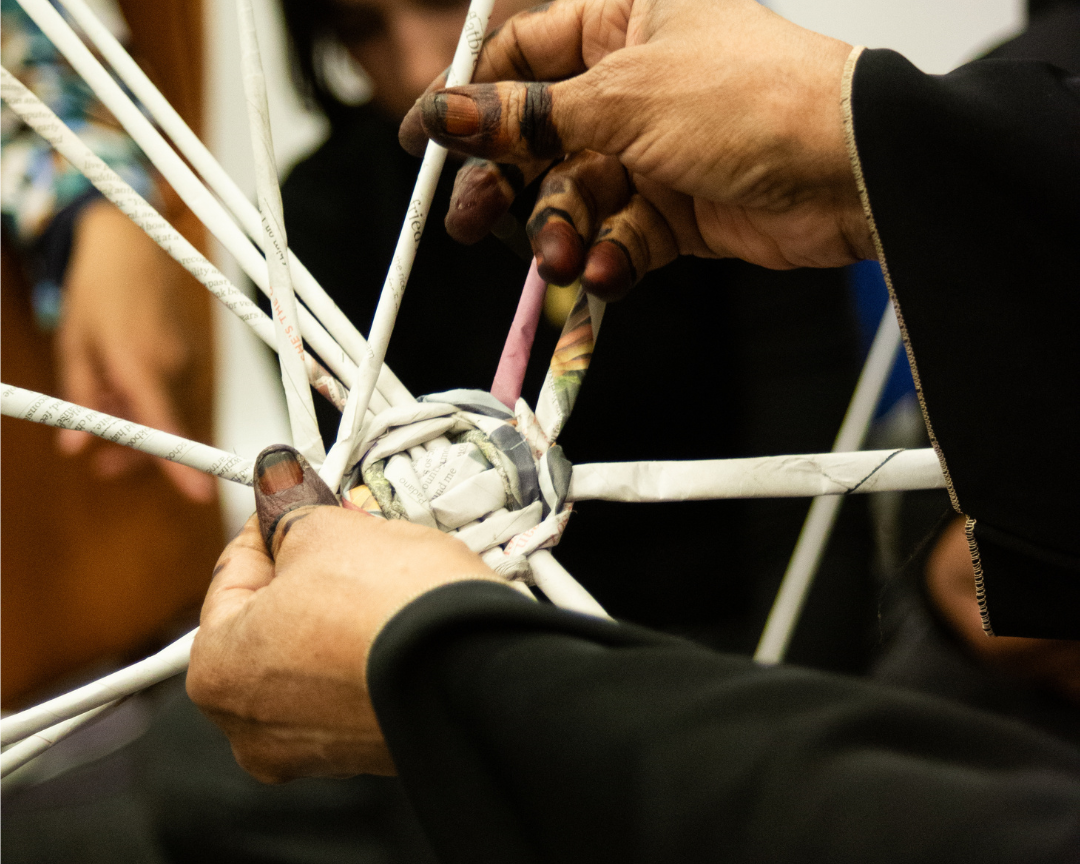
Community Agreements
Guidance for how we show up together in HJL spaces.
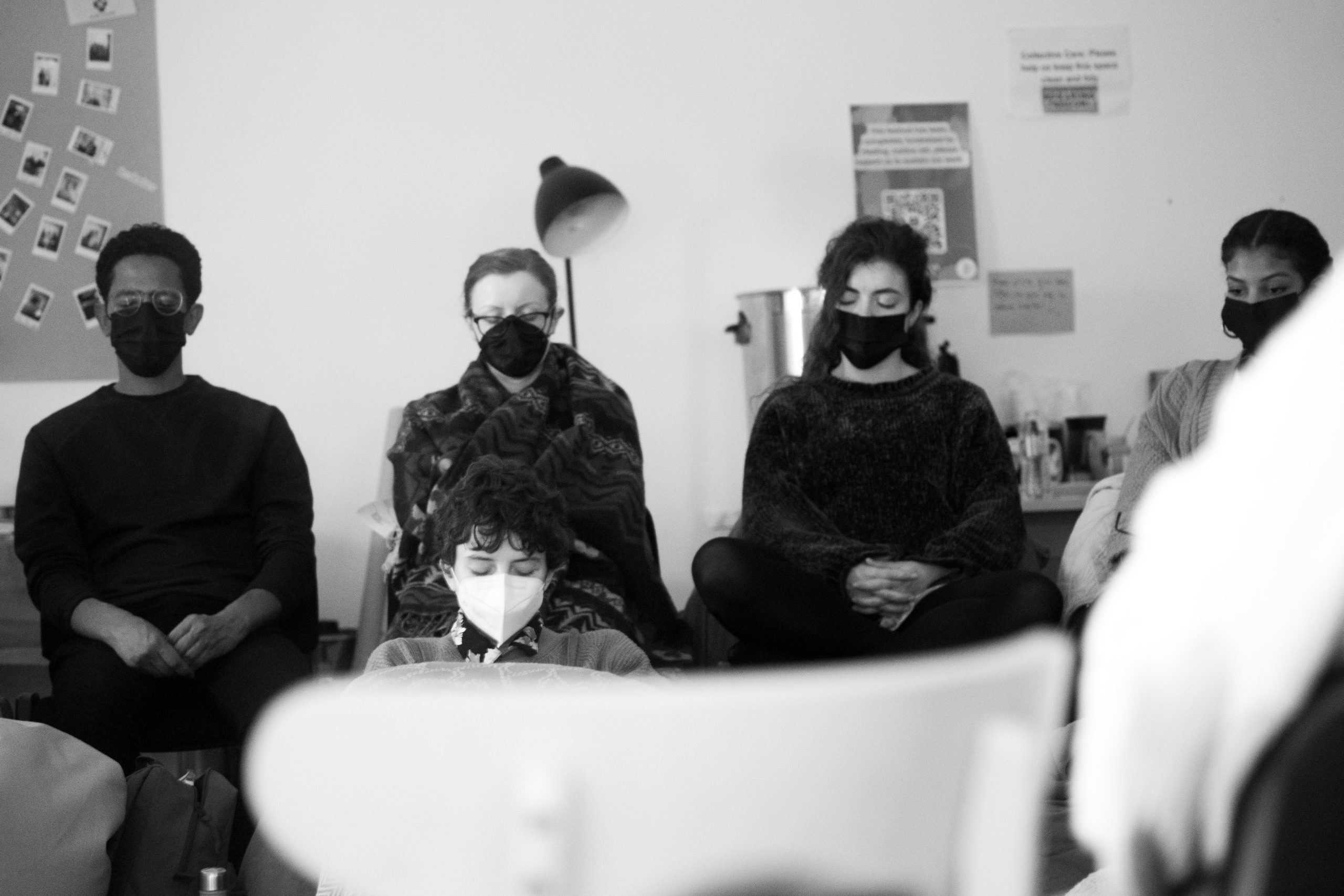
Breath Circle for Collective Capacity
Our Breath Circle for Collective Capacity is a gathering space for grounding. We hold this regular space for light stretching, breathing and meditative practice.
Tai Chi & Qigong Session
A one hour practice to support presence and connection.
Restorative Yoga
A recorded session of our Restorative Yoga for Resilience to support during winter months.
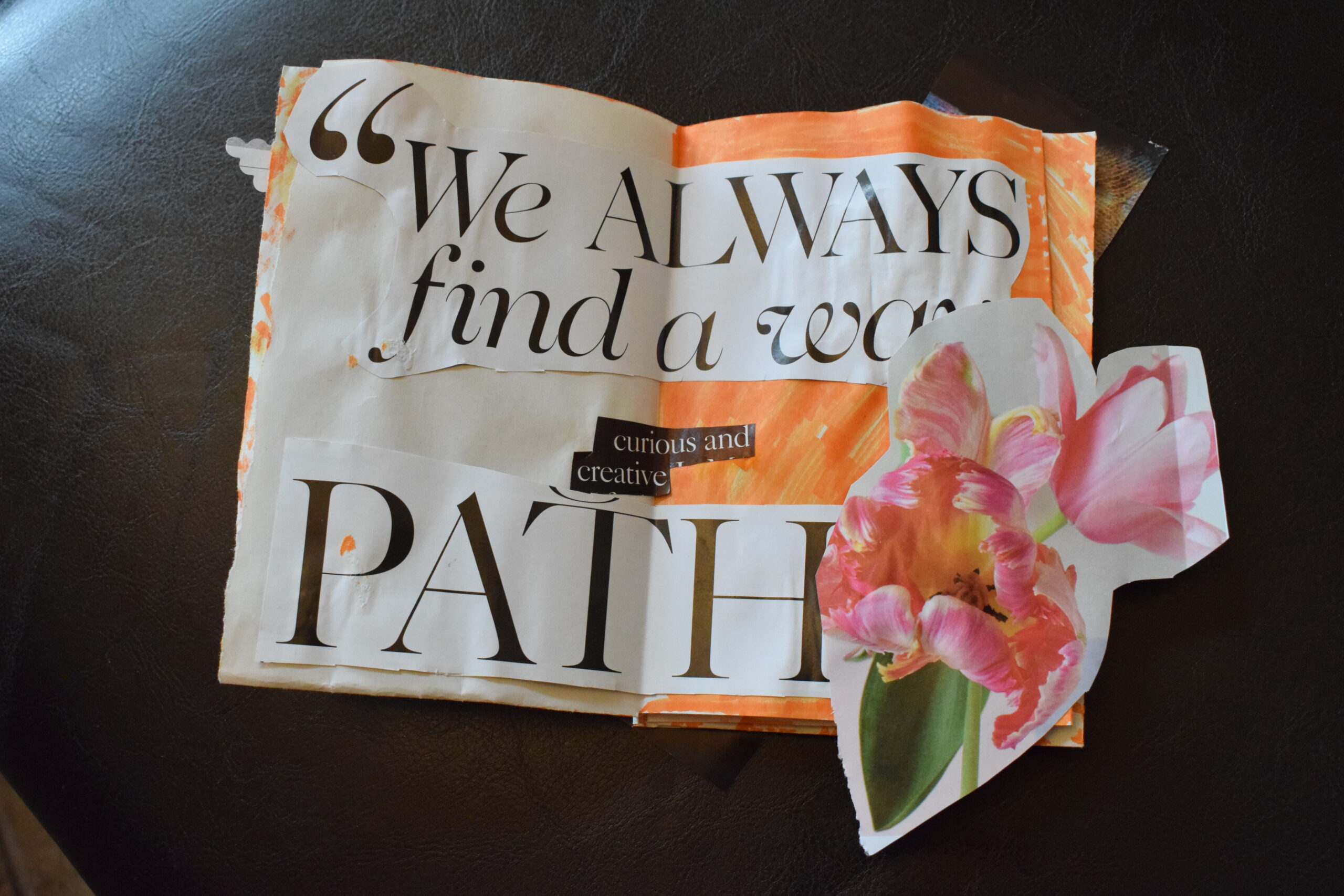
An Introduction to Politicised Somatics
We are portals towards liberation.

The Power of Somatics for Racial Justice
A discussion about the need and potential of somatics for racial justice.
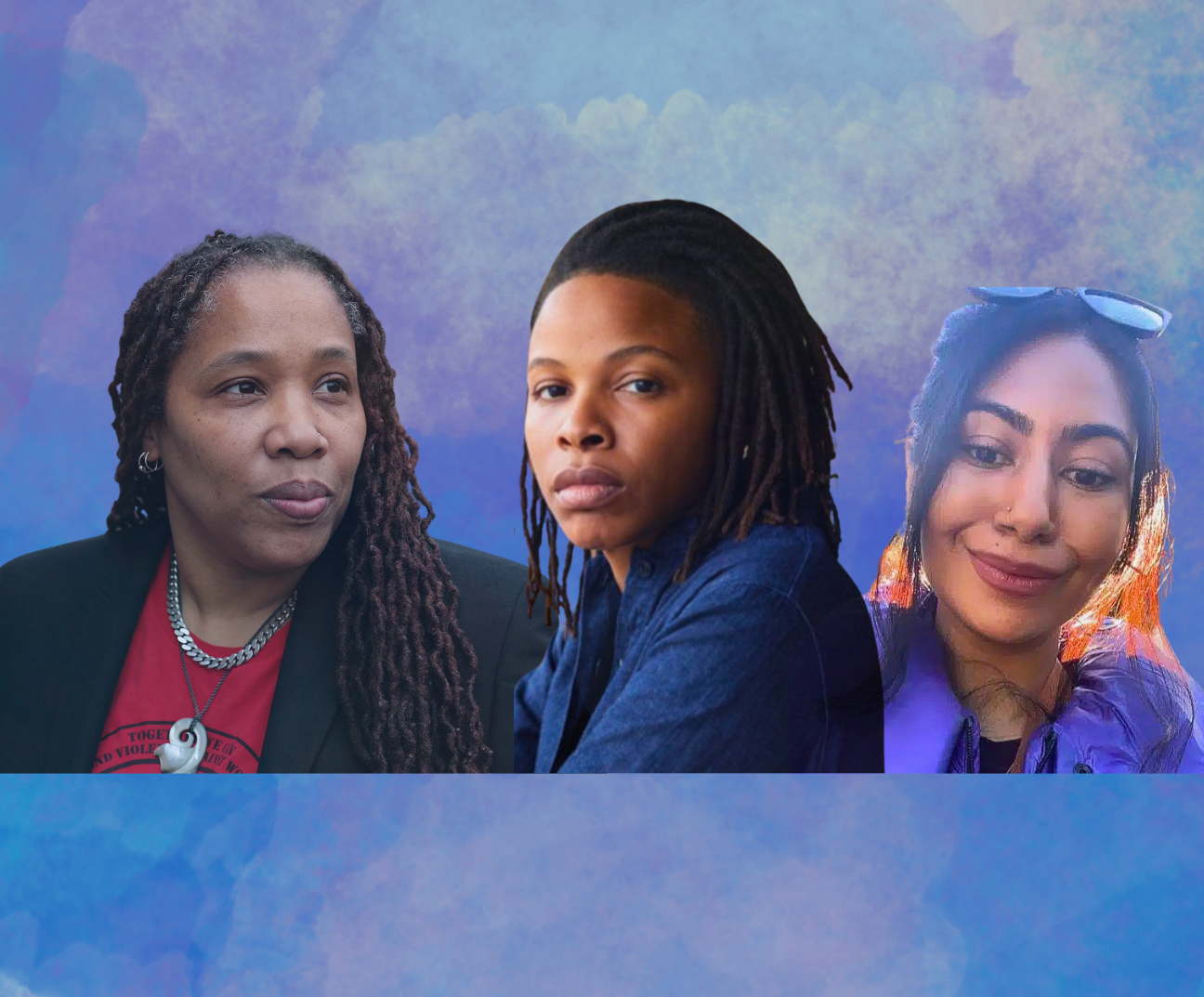
What It Takes To Heal
In the context of ongoing trauma and upheaval, how do we support connection, survival & embrace the medicine within us?
What It Takes To Heal is an exploratory conversation with Prentis Hemphill, Marai Larasi & Farzana Khan to reconnect us to the power of embodiment for collective transformation.