Building Collective Power & Preparing to Govern
In the intensity and despair of our times right now, we are being challenged on a level that feels unprecedented. We are on the precipice of real, new possibilities that are being made and fought for through tangible building, creativity and organising. In order to get there, we need to reckon with the very fibre of the work and ourselves. We need both inner and outer transformation to happen. Politicised somatics is a pathway that guides us to developing adaptive, relational, deeply embedded skills – skills that will allow us to harness our power whilst remaining open, connected, present and on purpose in the face of immense pressure. Because our lives and futures depend on us having these skills.
This is a space for all of us – organisers, liberation workers, community leaders, healers, and abolitionists – to learn about the embodied competencies we need to cultivate in order to build and tolerate power, and reckon with what it costs us when, instead, we default to shame or making ourselves smaller.
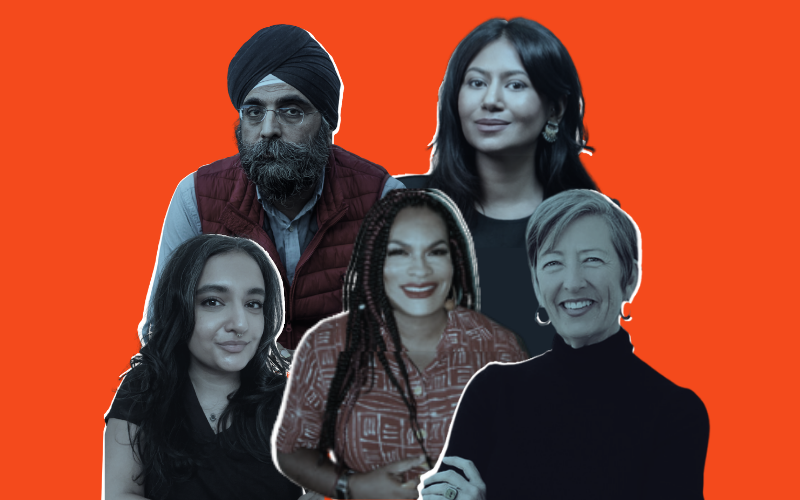
This panel discussion featured Staci K Haines – leading practitioner in politicised somatics over the last 30 years. Staci was joined by Farzana Khan & Imara Jones, to explore how we utilise Politicised Somatics to strategise, coordinate, and become ready to hold power. The discussion was chaired by Nishma Jethwa. How can we fight effectively, with more resources, alignment, and coherence?
The world is on fire. We know that our collective power is the answer. Enacting our shared visions requires deep and sustainable transformation – not just of our society’s policies, norms, and practices, but of ourselves and our movements. Who do we want to be? How do we want to relate? How can we save ourselves time & energy, prevent fracturing and embrace the things that scare us? How can we remain hopeful and take action?
Speakers
Staci Haines: Leading practitioner in politicised somatics over the last 30 years, focusing on how it can bring transformative capacity to social and climate justice movements and help heal the impacts of trauma and oppression. She runs online and in-person programs and training, and partners with social and climate justice organizations.
Farzana Khan: Social sculptor and writer, as well as the co-founder and executive co-director of Healing Justice London. Her practice works on building community health, repair and self-transformation rooted in disability justice, survivor work and trauma-informed practice working with communities of colour and other marginalised and underrepresented groups.
Imara Jones: Imara, whose work has won Emmy and Peabody Awards, is the Founder and CEO of TransLash Media, a cross-platform, non-profit journalism and narrative organization, which produces content to shift the current culture of hostility towards transgender people in the US.
Nishma Jethwa: Movement Medicine Programme Senior Lead at Healing Justice Ldn. Nishma has been a facilitator, educator and organiser for the last 10 years, working in movements and communities to transform oppressive structures. She is originally from London with roots and community in Gujarat and Mumbai.
Related
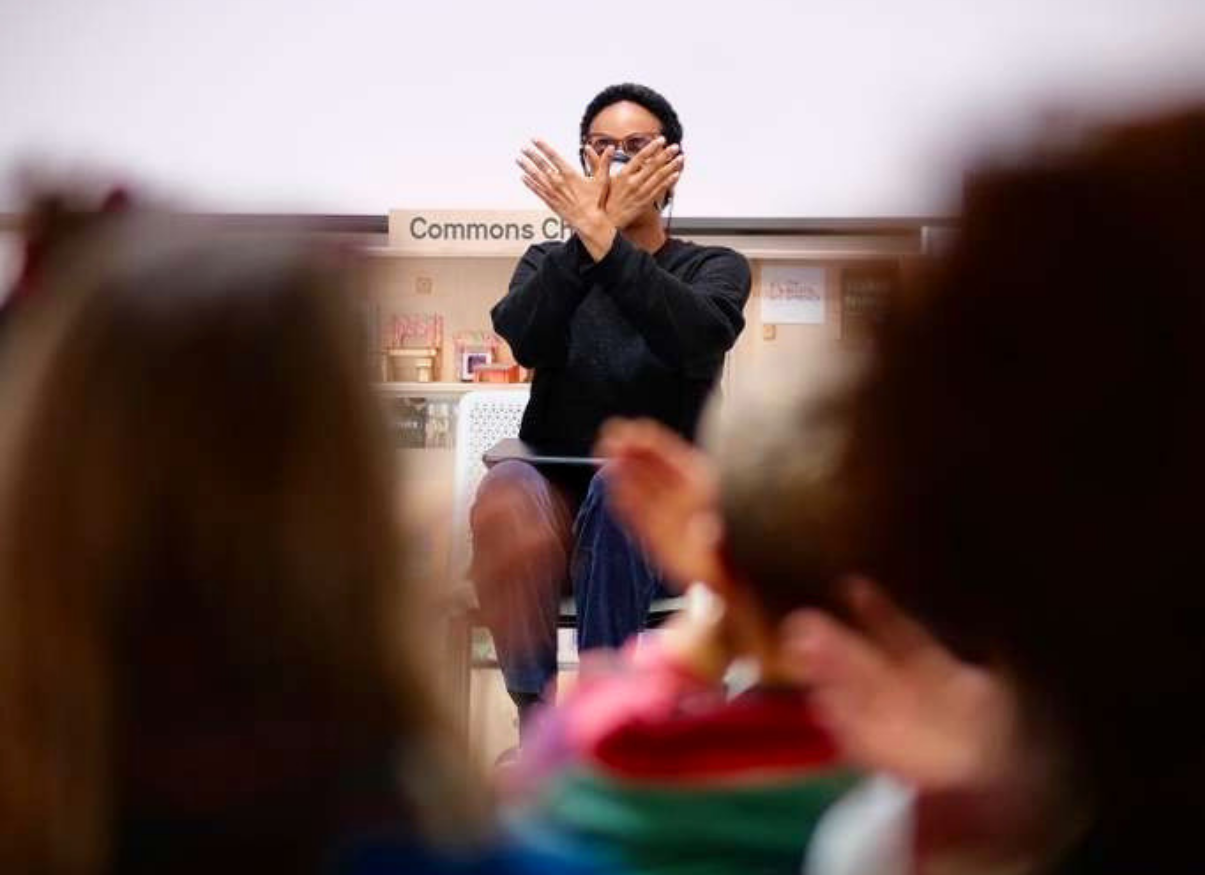
Rootwork: Reimagining the Future Starts in the Body
“Taking just a few minutes to land in our bodies changes the quality of how we are together. It creates a different foundation for connection, conversation, and collective imagination, and my hope is that we can all build on those skills and apply them to our daily practices.”
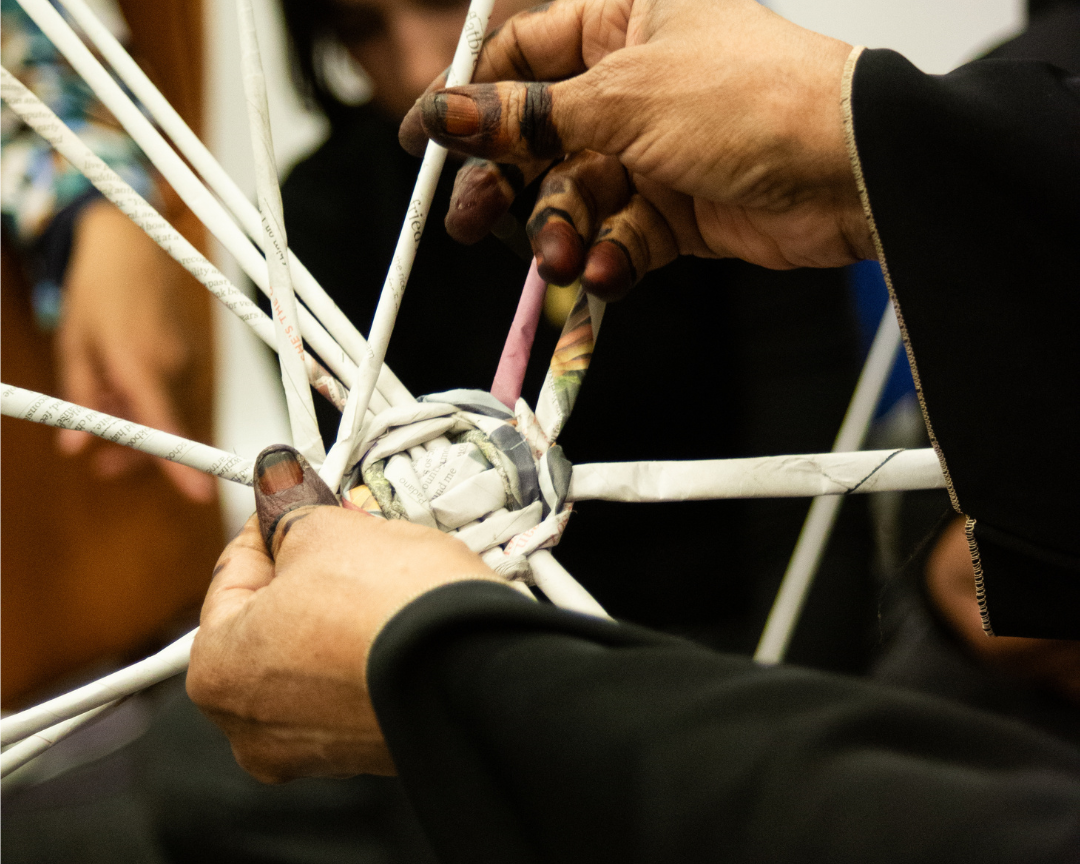
Community Agreements
Guidance for how we show up together in HJL spaces.
Inside Movement Medicine: Meet Macole
“I’m learning how it also starts from the self and how it is at the cellular level in which we create ripples and changes at a more macro scale. Innerstanding that being in the body, as a site of transformation, simultaneous effects broader structures. So much of the time we are understanding oppression by intellectualising it.”
So you want to research Palestine?
Researching Palestine as an anti-Zionist academic and mental health practitioner situated in the Global North
An Introduction to Politicised Somatics
We are portals towards liberation.
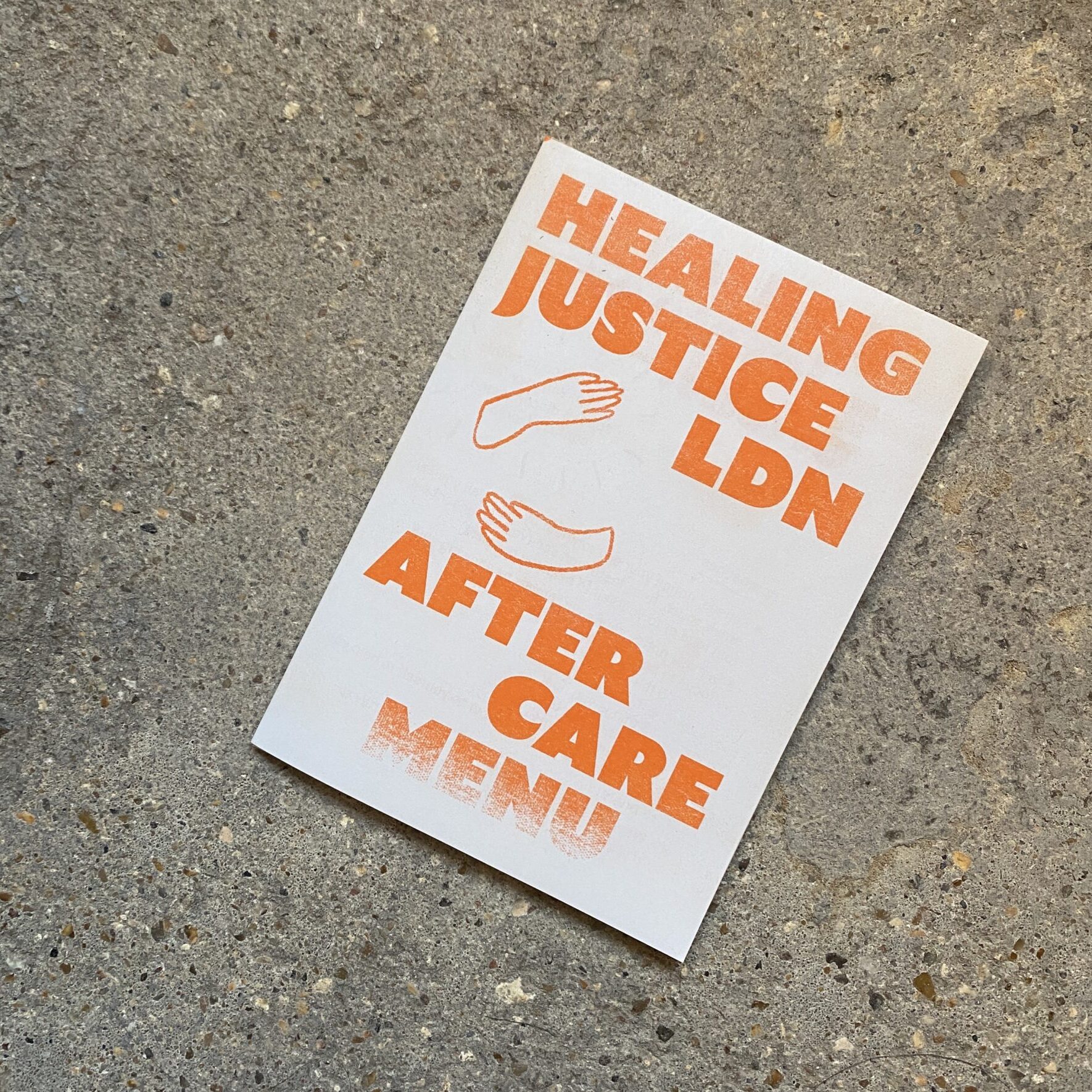
HJL Aftercare Menu
Tools for taking care of yourself after one of our workshops or events.
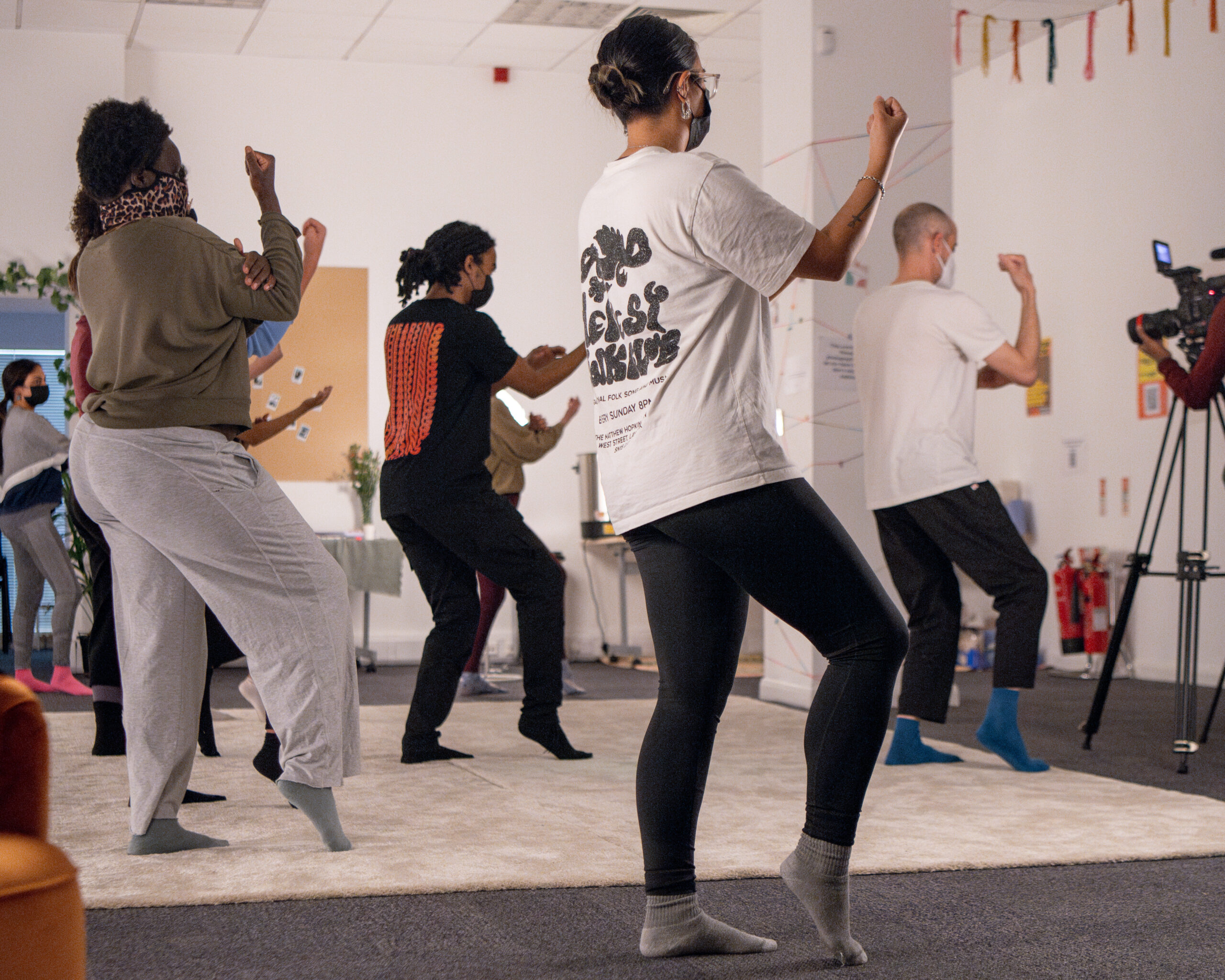
Making Space for Embodied Rage in our Healing
A space for racialised/global majority people to explore connections with rage through embodied practice.
Tai Chi & Qigong Session
A one hour practice to support presence and connection.
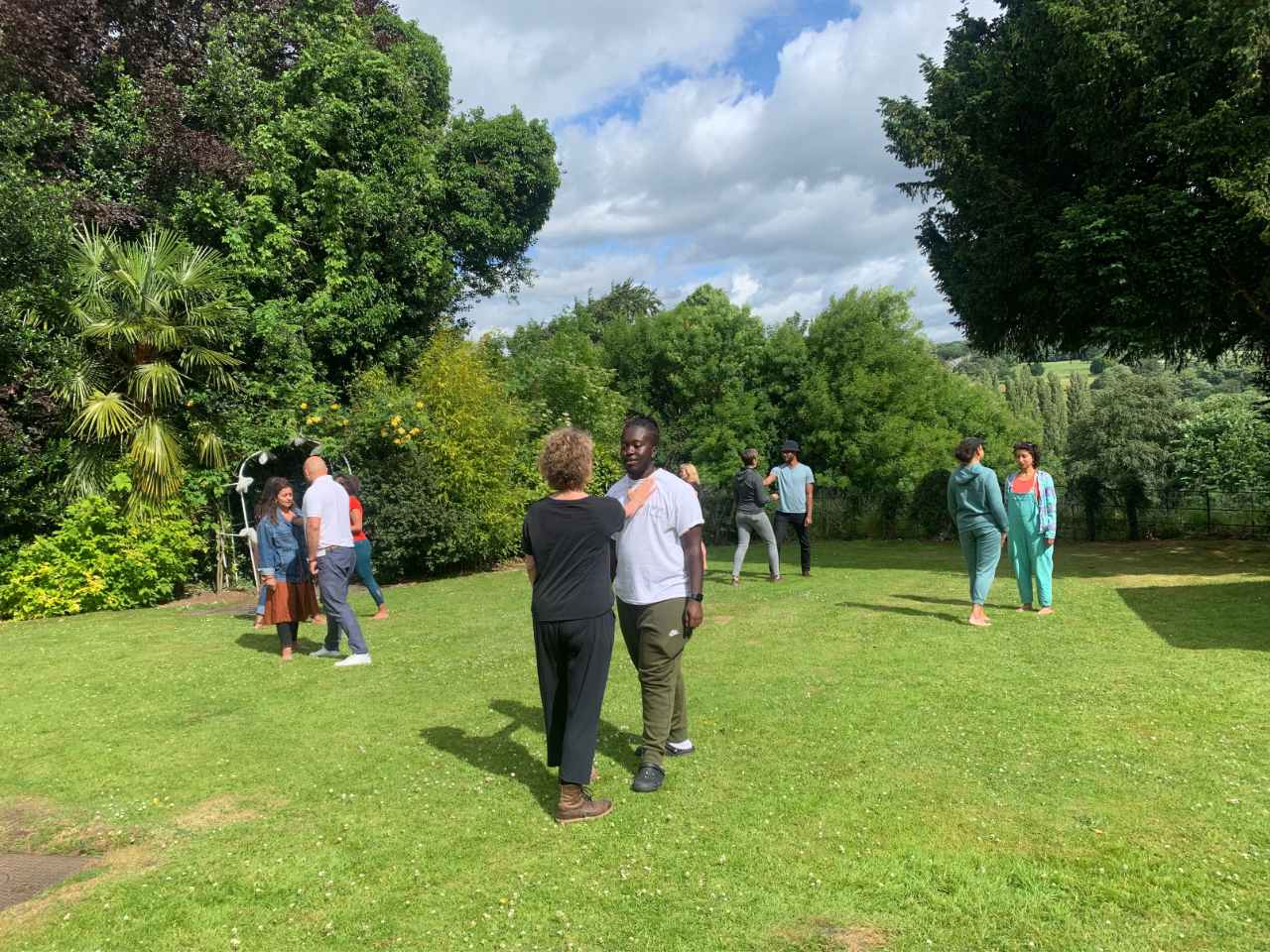
Movement Medicine
Developing a cohort of somatic practitioners embedded in social movements to support personal and structural transformation.
Somatic Healing: Therapeutic Touch for Healing Trauma
An introduction to healing trauma through somatic practices
Anchoring Resilience
A workshop sharing frameworks and practices to reduce stress, address trauma and build embodied resilience.