Rootwork: Like The Seeds of a Pomegranate
No farmer just casts seeds without care and expects a fruitful harvest. Farmers lovingly tend to the soil so that it can deeply nurture the roots, supporting thriving crops and bountiful fruit. — Nkem Ndefo
Systems do not transform themselves—people do. This means that who we are, and who we are capable of being, matters in what we design and build. The lived realities of perpetual burnout, in-fighting, conflict, rupture and exhaustion are reflections of the socio-political tensions we are confronting, and we understand that the more capacity and resilience we have, the more powerful and bold work we can do outside in the world. There is no structural change without deep inner-led change that uproots and attends to root causes. The Resilience Toolkit by Lumos Transforms is a framework for trauma healing and real-time stress navigation. In November last year, Healing Justice Ldn & Lumos Transforms connected on the ground across the UK with the Rootwork tour – developed as part of wider commitments to building healing and health infrastructures in our communities and Movements.
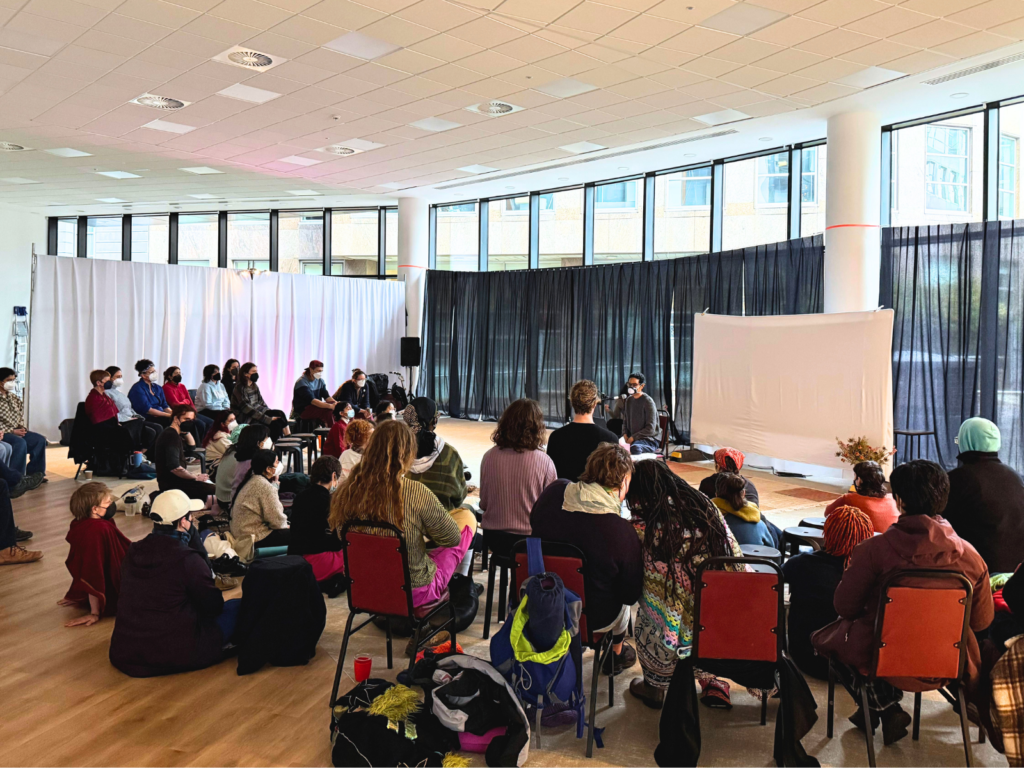
We connected with communities and organisers across London, Bristol, Birmingham, Sheffield, Leeds and Glasgow, and came together to practice real-time regulation tools that harness the body’s innate biology to settle overactive and detrimental responses – reclaiming energy, creative flexibility, and connection to ourselves, one another, and our shared liberation. We also offered six scholarships per city for people to become trained in The Resilience Toolkit and bring this work to their local communities.
I am writing this at a time when my beloved homeland Iran and hamvatanan (country people) are facing both external and internal threats – American and Israeli bombs rain down upon my people from above, less than two months after the Islamic Republic’s massacre of protestors in January.
The violence, internet and communication blackouts, and suppression against the people who call Iran their home has contributed to another cycle of re-traumatisation for generations who have a history of undealt with trauma. We are currently witnessing widespread stress responses—fight, flight, freeze, appease, and dissociate—manifesting as social disconnection, communication breakdowns, and ultimately a fractured community. Both on the streets and in digital spaces, diasporic Iranians are finding themselves in conflict with one another, fuelled first and foremost by their bottomless wells of grief and anger. The focus of this blog is not on the political divisions and fragmentations; I want to speak instead to the reality of what happens when the collective soma of a people becomes dysregulated in the face of crisis.
Through the Rootwork programme, I received a scholarship to the three-part Lumos Transforms Survival to Stability training which coincided with the protests and ensuing state-sponsored massacres that took place earlier this year. During this period, I have been contending with my own dysregulation whilst trying to learn more about collective resilience building. When I reflect on my coping strategies of recent, I find I have been compartmentalising to a point of numbness and at times, disassociation. I do this because it allows me to meet the demands of everyday life – even though the world feels like it’s on fire, my responsibilities aren’t suspended and life around me continues. This is not new, it is a conditioned response shaped by a lifetime of witnessing countless devastations across the world, both near and far.
My journey with somatics began early on in my activism, just under a decade ago, with Healing Justice London becoming an important anchor point for my learning. Like many others, I have been involved in grassroots organisations that have fallen apart because of extreme burn-out and relationship collapse, and so I recognise the importance of challenging our politically and socially shaped trauma responses and tending to our collective soma to build sustained capacity. At a time like now, when my community is steeped in pain, I am questioning how I can translate my understanding of this concept into practice, especially when I myself feel frozen under the weight of grief for my people and homeland.
And so I turn to this quote by Toni Cade Bambara, “the revolution begins with the self”, which so poignantly mirrors the key learning from the Rootwork tour and Survival to Stability training – that if we haven’t done the rootwork, we don’t know how to be with ourselves, and we have to be with ourselves to be with others.
Over the past two weeks, I have spent time with close friends who have all at one point or another asked me “How are you taking care of yourself?” to which I respond “I don’t know”. I quickly became aware of how I haven’t had the discipline, intentionality, and capacity to nurture baseline practices, which may have contributed to more effective ways of navigating the complexity of this moment.
The metaphor that is shared with us in the programme is that building baseline practices is like training a muscle. Doing so means that when stress levels are high, the reflex and ability to reach for rescue practices is more likely. I was sharing this particular reflection with an Iranian friend, my shame and disappointment clearly seeping through, and she very quickly challenged my perspective.
During the 12 day war on Iran in June 2025, I met two Iranian women who have since become like family to me. We set up a group chat, scheduled weekly meet-ups and have been holding each other through the tumultuous rollercoaster of emotions over the past couple of months. The youngest of the two didn’t miss a beat in sternly reminding me that what we have been doing is creating rituals, and that rituals demand presence, space and continuity – three things that we have been intentionally providing for each other in this trio of sisterhood. I knew she was right and immediately recognised that what we have been engaging in is the stabilisation stage of the Resilience Toolkit: finding safety and connection to disrupt the chaos and turbulence.
I have since come to recognise that what keeps me going during the darkest of times is community. When it feels like the world is suspended in a state of permacrisis, community is the root that grounds us, giving us stability and hope. And so this is the learning that I take forward with me as I continue to embark on this journey of politicised somatics. Not only does it offer us an alternative pathway to reimagine our liberatory futures, reminding us that we are more likely to get there from a place of spaciousness rather than dysregulation, but it also demands that we do it together. Like the seeds of a pomegranate, we nestle tightly against one another, connected by the white membrane that threads us together as one.
About The Author:
Loa Pourmirza (she/her) is a Pluralistic Therapist and Community Researcher whose work focuses on the intersections of race and diasporic identities, creativity, and bodymind health/ill-health. She is also the Founder of The Joon Project, a community initiative with the aim of supporting consciousness-raising processes centred around our collective liberation.
About The Rootwork Tour:
In November 2025, Healing Justice Ldn partnered with Lumos Transforms and local partners to seed the Resilience Toolkit across the UK in our Rootwork tour. Developed by Nkem Ndefo, the Resilience Toolkit is a somatic framework for first-stage trauma healing (stabilisation and resourcing) and real-time stress navigation.
We are honoured to have collaborated with our peers at Knowle West, WeCanMake, We Are More, Civic Square, Peaks of Colour, Migrant Action, NME Leeds & Exhale Group who enabled the Rootwork programme to happen across England and Scotland. We learnt a lot from them during this process and hope to continue doing this work together in the future. We extend deep gratitude to our long-term collaborator and friend, Nkem Ndefo for her commitment and rigour to this tour and this work, and to all of our contributors who wrote these blogs offering insights into the different ways Rootwork is applied across different contexts and realities.
The lived realities of perpetual burnout, in-fighting, conflict, rupture and exhaustion are reflections of the socio-political tensions we are confronting, and we understand that the more capacity and resilience we have, the more powerful and bold work we can do outside in the world. There is no structural change without deep inner-led change that uproots and attends to root causes.

Related
Inside Movement Medicine: Meet Macole
“I’m learning how it also starts from the self and how it is at the cellular level in which we create ripples and changes at a more macro scale. Innerstanding that being in the body, as a site of transformation, simultaneous effects broader structures. So much of the time we are understanding oppression by intellectualising it.”
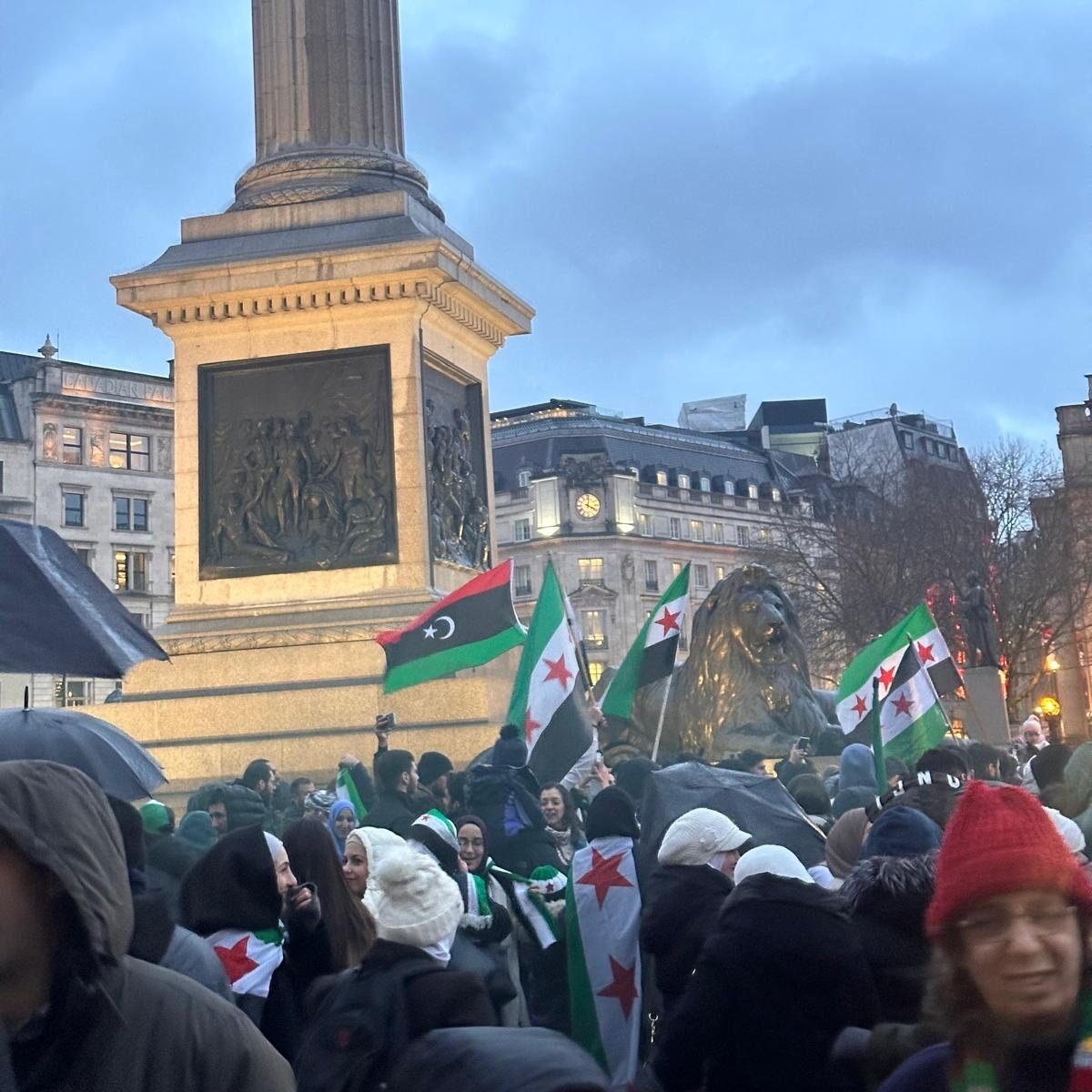
Politicised Somatics in Practice, Liberation, and Contradiction
Movement medicine practitioner-in-training dr dima mekdad explores how somatic practice illuminated and complicated her embodied experience navigating the liberation of Syria.
So you want to research Palestine?
Researching Palestine as an anti-Zionist academic and mental health practitioner situated in the Global North
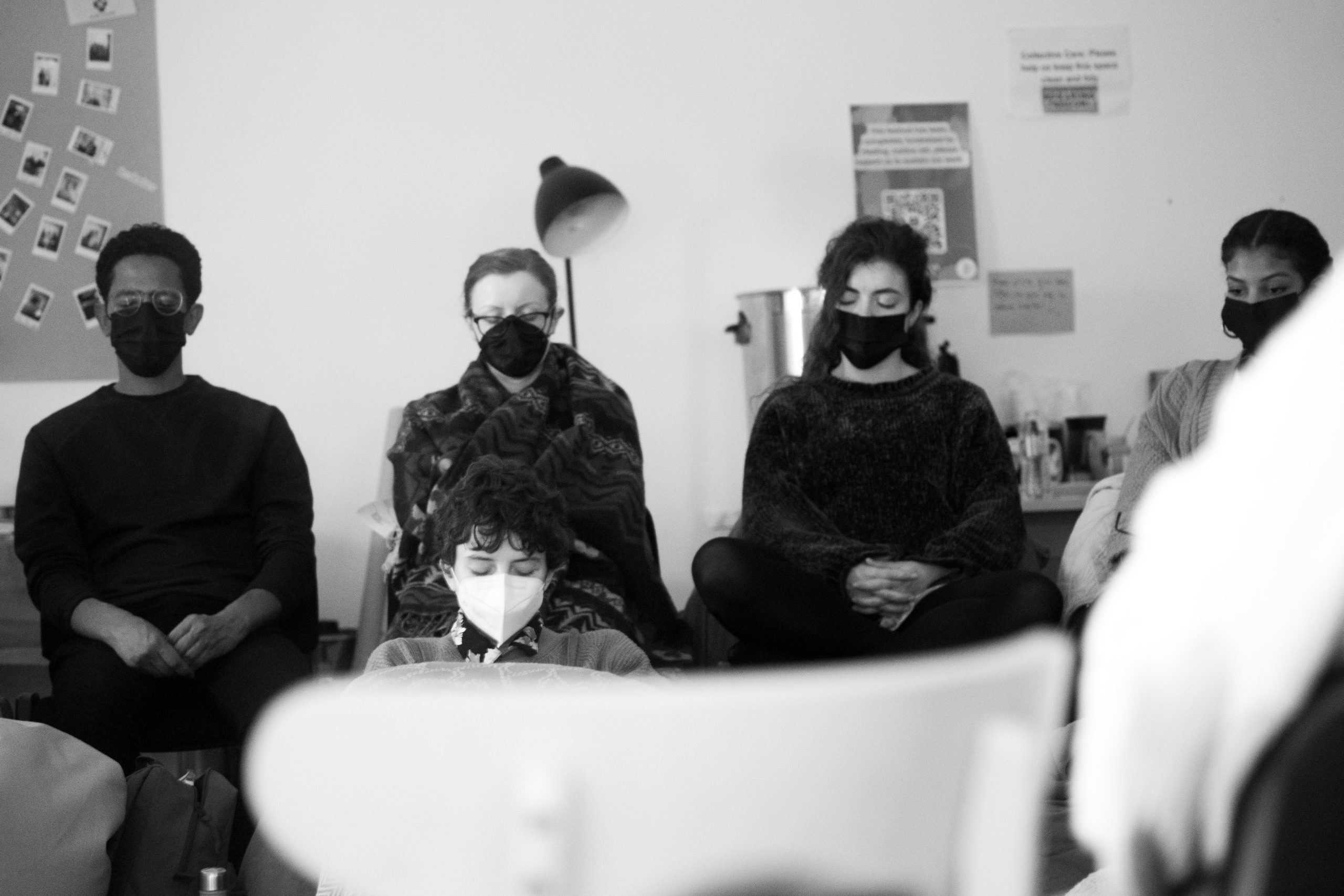
Breath Circle for Collective Capacity
Our Breath Circle for Collective Capacity is a gathering space for grounding. We hold this regular space for light stretching, breathing and meditative practice.
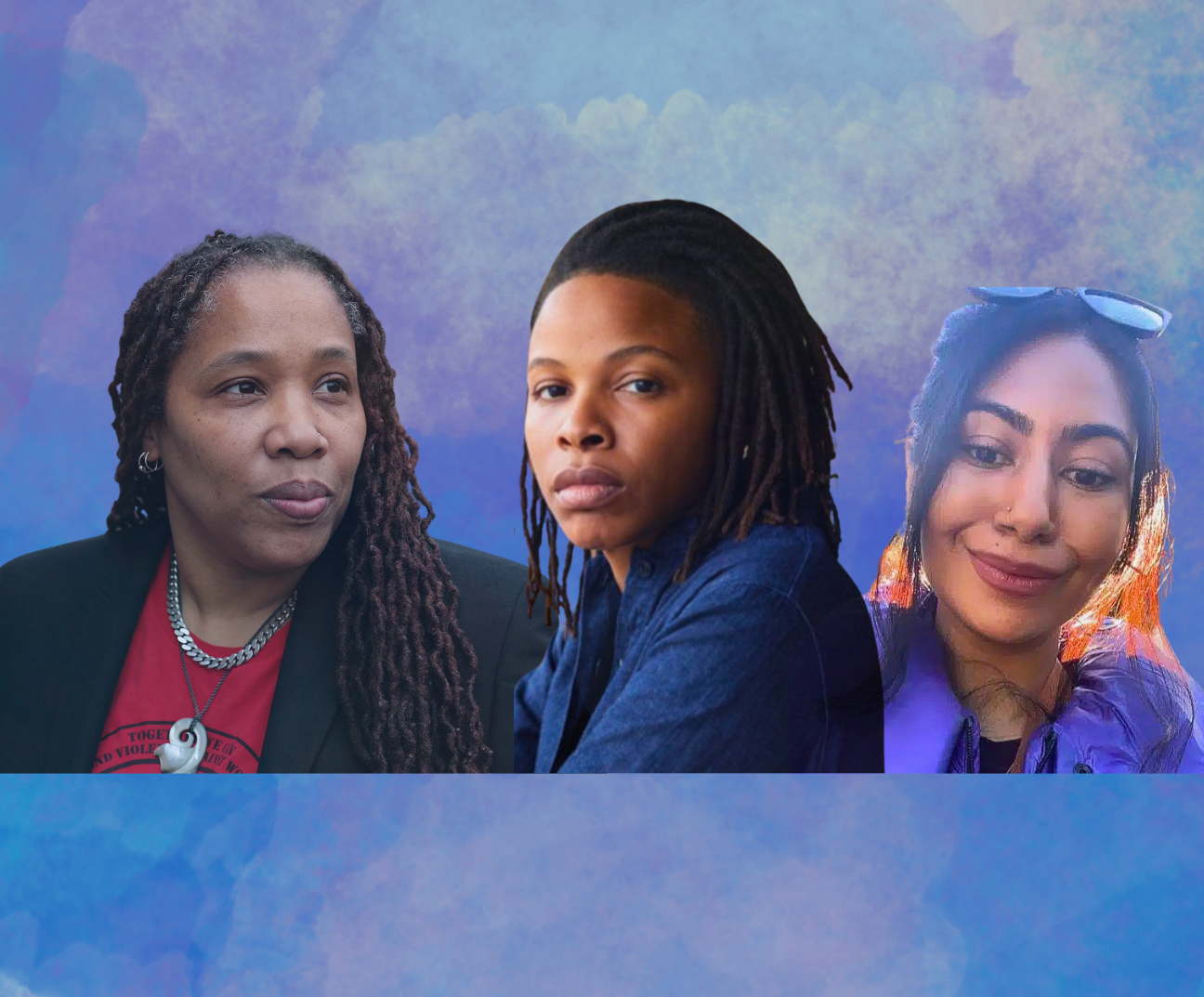
What It Takes To Heal
In the context of ongoing trauma and upheaval, how do we support connection, survival & embrace the medicine within us?
What It Takes To Heal is an exploratory conversation with Prentis Hemphill, Marai Larasi & Farzana Khan to reconnect us to the power of embodiment for collective transformation.
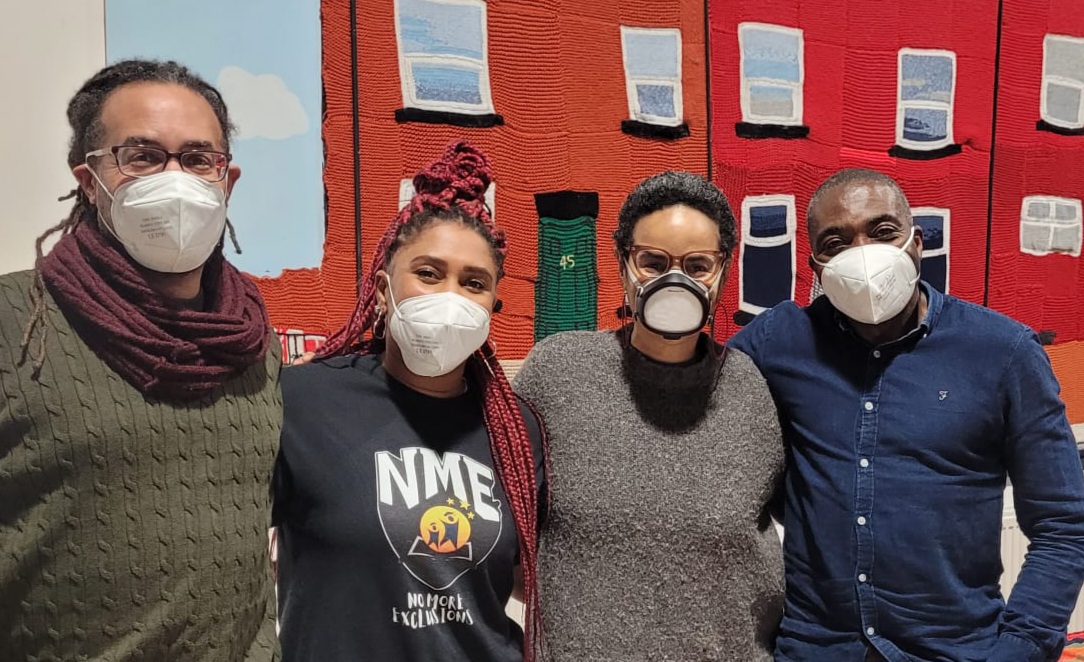
Rootwork: Re-membering for Black Liberation
“We have a felt sense that something’s wrong. Being able to feel it and work through that to get us back to the place of re-imagining: the dream space, connecting with our internal sense of hope and possibility that I feel can only come from the information our body gives us.”
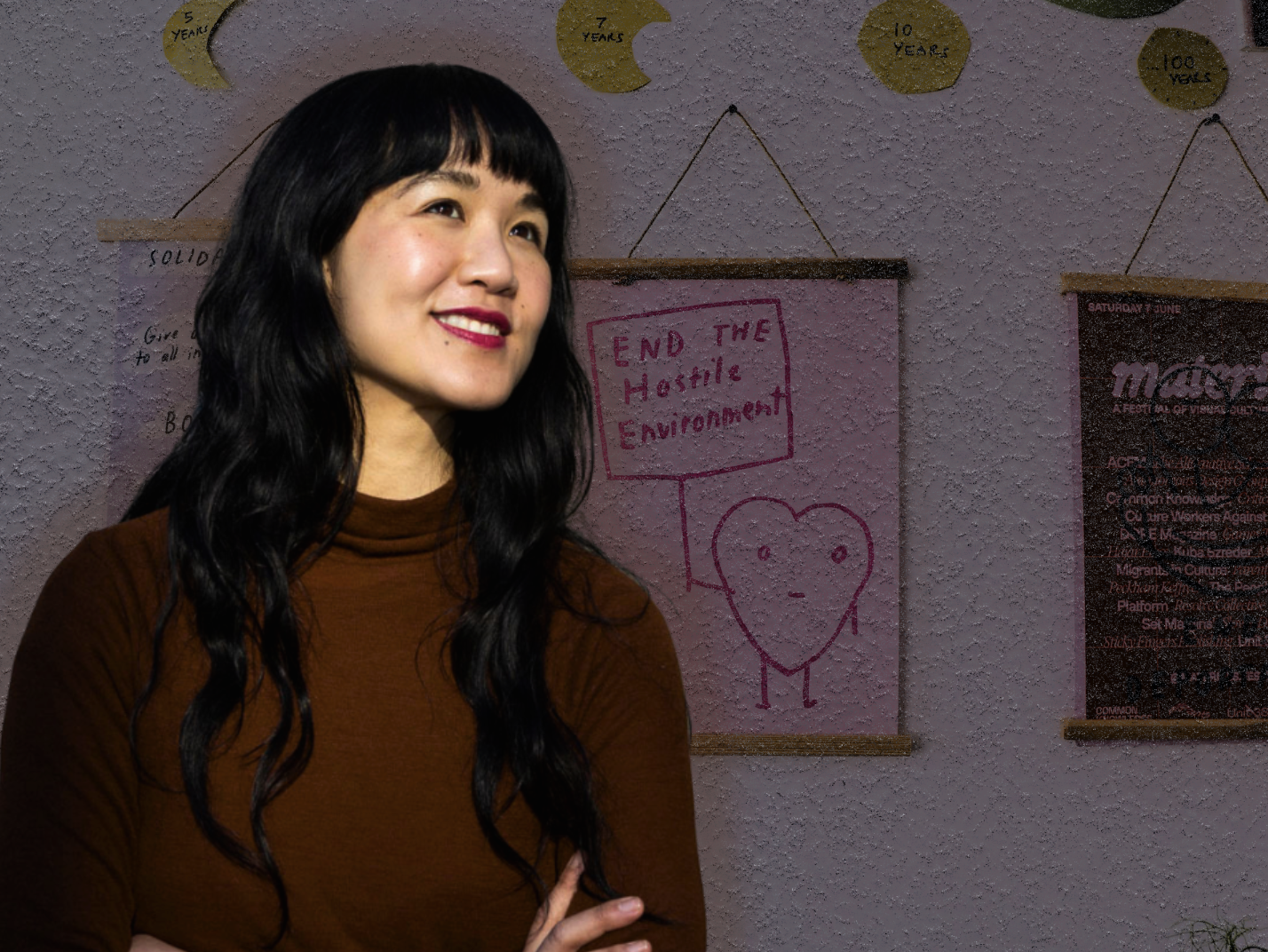
Inside Movement Medicine: Meet Joon-Lynn
Movement Medicine is a multi-year commitment to deepen in embodied practice alongside other organisers, movement workers, cultural workers, and healthcare providers. In this series we explore how it has impacted people individually and its importance in building towards liberated futures. Here, cultural organiser and co-founding director of Migrants in Culture Joon-Lynn speaks with Movement Medicine Senior Programme Lead Nishma Jethwa about her journey so far.