Inside Movement Medicine: Meet Joon-Lynn
Meet Joon-Lynn Goh – a cultural organiser and co-founding director of Migrants in Culture, and and a member of the Movement Medicine cohort. Movement Medicine is a multi-year commitment to deepen in embodied practice alongside other organisers, movement workers, cultural workers, and healthcare providers. It is a shared political project for the sake of sustaining and supporting our movements.
In this series we explore why people have chosen to make, and stay with, this commitment, how it has impacted them individually and its importance in building towards liberated futures. Here, Joon-Lynn speaks with Movement Medicine Senior Programme Lead Nishma Jethwa about her journey so far.
Nishma: Can you describe what politicised somatics / embodied leadership is in your own words?
Joon-Lynn: I was recently trying to explain this to a friend and this is what I said: Politicised somatics is a methodology based in the body, specifically for social movement organisers. This methodology helps us understand the body as a primary site for learning change and transformation. And, if we don’t think about our movement work with our body as a site of knowing, we may end up perpetuating the very harms we’re trying to address. Somatics also has the potential for helping us to remember what has always been part of our communities’ different lineages – practices that allow us to tap into the body, mind, spirit, which have become eroded through colonisation. For many people, this practice supports us to not burn out in movement spaces. For others, it helps us to think more strategically and tap into our longings, not only for ourselves, but for the collective.
Nishma: What keeps you coming back to politicised somatics and the long-term commitment of movement medicine?
Joon-Lynn: What brings me back is very much related to the notion of practice and culture. As a cultural organiser, as someone who’s worked in the creative field for a long time, this notion of practicing, rehearsing, iterating, experimenting, makes a lot of sense to me, because that’s the way that I’ve always worked. It’s always about the process. If someone is all about a single quick-fix solution, I get suspicious. To me, that means they’re not crediting 1000 years of work and 100 other collaborators. So practice is really the key that unlocked it for me. In our first training, Staci said we’ll need 3000 repetitions towards embodied knowledge, and that just made a lot of sense to me. That’s the only way that we can get good at what we want to get good at. It’s the only way that it can come from ourselves rather than being parachuted in.
~
Also, I don’t think we can do anything individually. I think we always need to be doing things in the collective, in collective formation, in community. I can see the power of practicing at scale with a group so that’s what keeps me coming back. I’m invested in finding out what it looks like when we practice at scale because that is depth work. That is real change. That is change that no one can deny or rob from us, because it’s embodied in us and it’s in our relationships. No one can argue against that, no one can demean it. We know it’s different. We know it’s impactful.
~
Nishma: Wow, I love that. Thank you so much. I was recently learning about complexity theory and how often, in movement spaces especially, we treat a complex problem like a complicated problem – something we can just analyse and find one clear solution to. But so much of what we navigate in movement spaces is complex so the solution is necessarily emergent, it’s about practice and imagining and practicing, as you say.
Joon-Lynn: And also practice is the antidote to perfection, which is a capitalist orientation. If you’re not perfect, you’re expelled, you’re disposed of. And that’s not to say that there shouldn’t be specialists and experts and people to focus on a specific practice, but they’ve got to be educators as well. And so that stops the service mentality, which is the mega-problem of our NGO world. We’ve become services rather than capacity builders and political educators.
Nishma: What are you learning about embodied transformation and its importance in building towards liberated futures / its role in our movements?
Joon-Lynn: It’s made me think so much about who can be an organiser and who is an organiser currently. One type of organiser, at the moment, seems to be the person who’s sacrificed everything else for the movement. They’re hard, they’re on the street. There are some people that just give themselves entirely and burn out – that’s one version of an organiser. But what about others? Ones that don’t currently feel the courage and bravery, that conviction that they could be part of something bigger. We need these people too. We could have such a wide and deep range of people in our movements, our movements would be all of us, not just this hardcore core. By bringing our bodies in and the needs of our bodies and the conditionings of our bodies and the possible healings of our bodies, I think our movements can become so expansive.
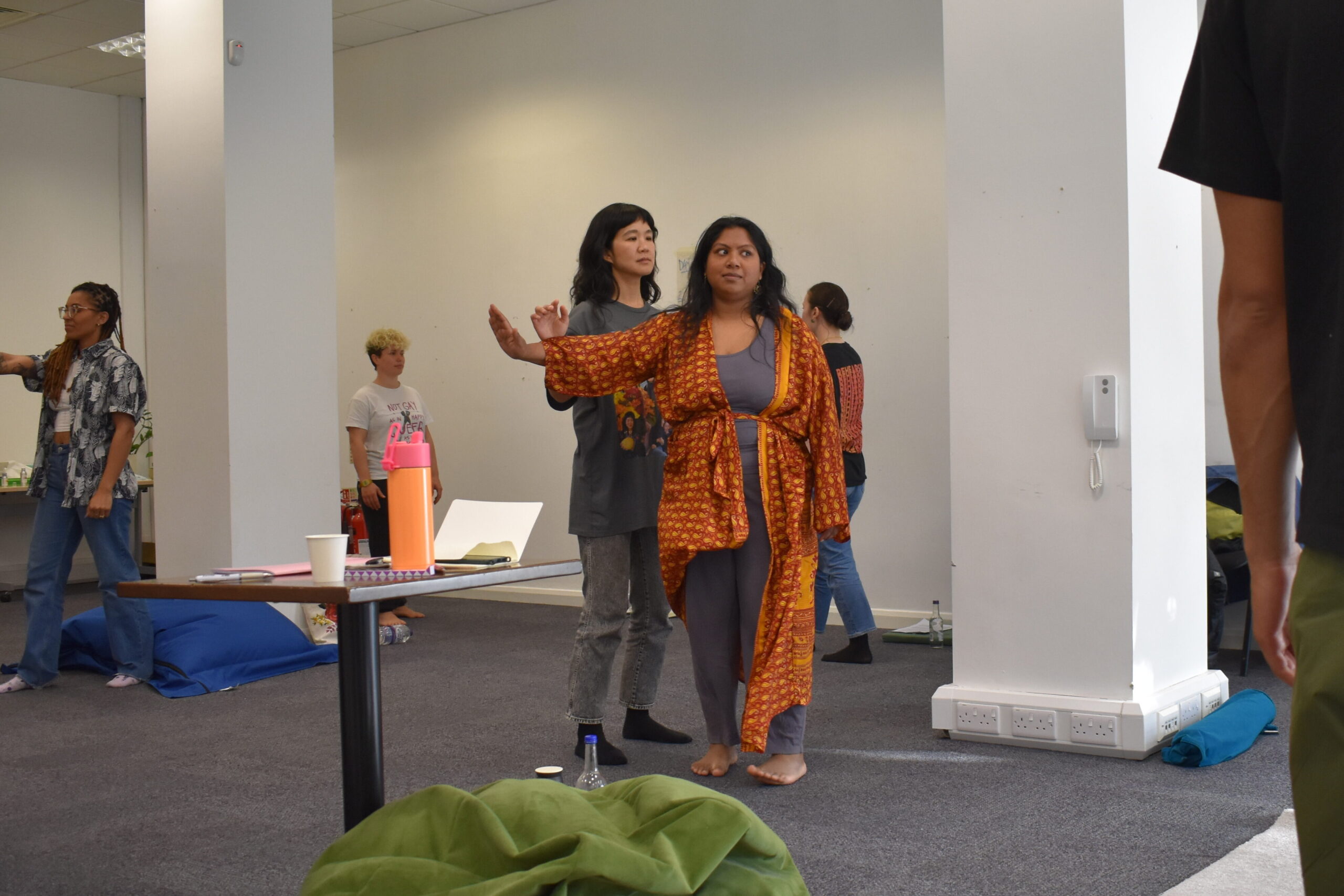
Photo by inaya
Nishma: So many people are talking about just how scared they are right now too, how unprepared they feel, how unsupported they feel to be able to be in this context and do something. And I think what you’re saying feels really important in that context. What does it look like to actually think about different avenues, different roles that are needed? And how can we step into those?
Can tell me a little bit about a practice that you’ve learned through Movement Medicine that you’re already seeing be useful to you in your work or with your community context, with migrant organising?
Joon-Lynn: Honestly, there’s so many! I’ll tell you how I’ve used it recently. So last week, I held a celebration moment for two SWANA organisers who literally did a mammoth project and did not stop to celebrate. They were just on to the next thing and they were already burning out and wondering why they felt so bad. They just felt really despondent. And so I asked if I could hold a celebration space for them, just so that they could remember all the things they had achieved, and really somatically feel pride and celebration in their bodies. As part of that, I did a centering practice, and then we walked through all the achievements they did. Then I got them to do a pleasure practice, which took them to their favorite moment. It was really powerful and somatics really grounded it in the felt sense. I could have talked it through but, by adding somatics into it, their bodies really responded. It was on a different level of celebration.
Nishma: Ok, I also want to ask you if there are other practices that have opened up for you from doing this work?
Joon-Lynn: It’s helped me think about the art practices we do at Migrants in Culture as somatic because I’ve never thought about them in somatic terms. In our drawing and design workshops, our facilitators literally warm up people’s fingers. We invite their inner child in. We break down some of the stigmas of just playing. What comes out of that drawing actually reveals a lot about their inner world. So I think that’s really interesting to think about the somatic, therapeutic healing potential of drawing and creative practices.
~
And then the other one, on a more personal basis, is that, alongside somatics, I’ve been learning about Daoism, acupuncture, traditional Chinese medicine, and Qigong. Obviously, politicised somatics has been strongly inspired by East Asian philosophy and martial arts so I’m always seeing the correlation in the language, in the movements, in the kind of like conceptions of relationships, notions of harmony, balance, being overextended, underextended etc. It made me think of how I would use Qigong in my somatic practice, and how I would use Qigong in a more political context. I already know people doing that and it has brought up that question for our cohort too – in this UK cohort of Movement Medicine, situated in the imperial core, with so many of us being diaspora, what is our version of somatics? What is the culturally relevant version of somatics for the different communities we’re working with? What really connects with people, and how can we bring in different practices, like drawing, Qigong, Ayurvedic and African traditions etc. into this work? I’m super excited by that syncretism, and I think that’s such a diasporic methodology that we can imbue into politicised somatics to give it colour, and to return and reconnect lineages.
~
Nishma: What has changed for you since starting to practice embodied leadership, and is there anything surprising or unexpected that has come out of practicing?
Joon-Lynn: I feel like the declaration work really allowed me to name my deepest longings and to align my actions on a day to day level towards really big visions. And I don’t think that would have been possible before because I would have seen them as too big. But because it’s a daily practice, I feel like it’s okay to be that bold. And I also think it’s helped me become much more aware. It’s named a lot of my condition tendencies – my overextending, my lack of boundaries, some repeating patterns related to the way I was raised, my gender, the good migrant narrative. There’s a lot of stuff which somatics has allowed me to sense and witness. And not demonising it. I’ve been able to be grateful to it but also ask for a change. Again, that’s an iterative daily practice which is extremely imperfect. So maybe what’s surprising or unexpected is that I feel more gracious and compassionate to myself and that has been really freeing.
Nishma: I like that you used words like sensing and witnessing in particular, because I think it goes to the core of somatics. So much of the time we can intellectually understand these things but it’s the sensing and witnessing that allows us to also hold them gently and then invite change. I’m often trying to bash change out of myself, but it doesn’t work.
The final question I wanted to ask you is where do you see this work going in the context of this land and your communities, or the communities you work with?
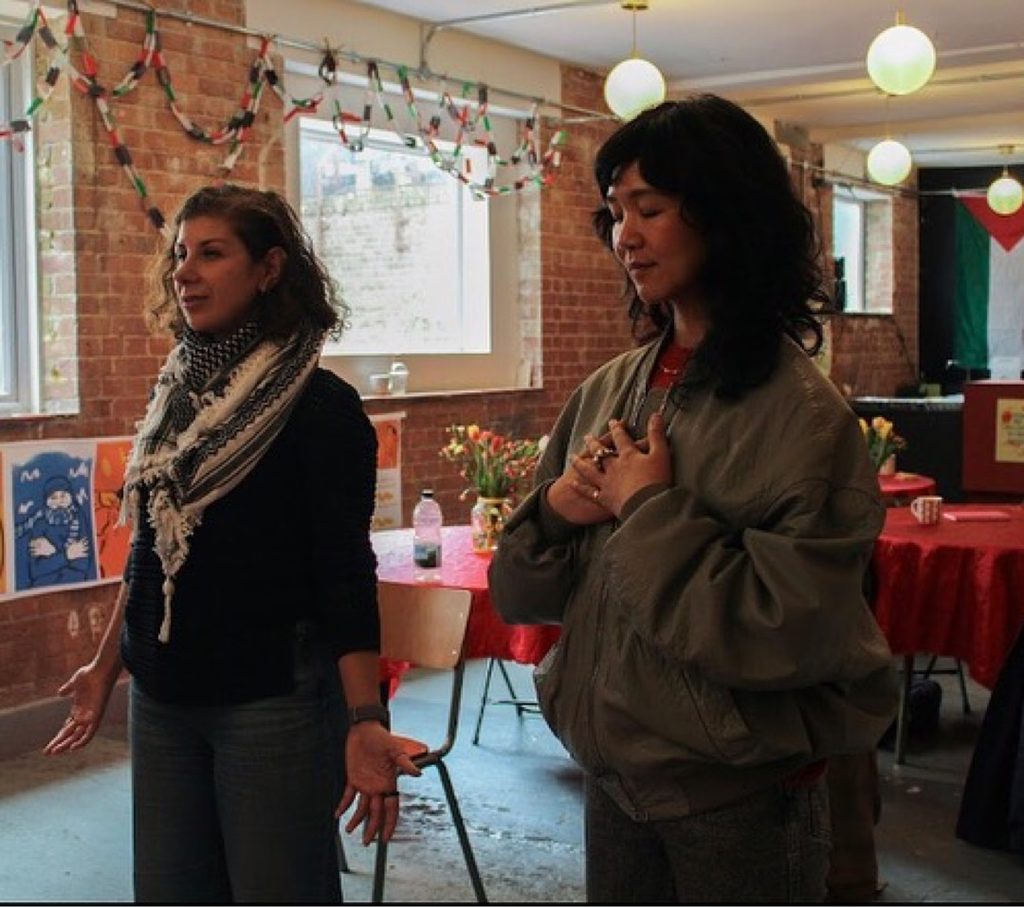
Photo by Sana Badri
Joon-Lynn: I really see this work as like part of the decolonial project that was never finished via global independence movements from the 40s-60s. So many of these movements have led to dictatorships, genocide and war. They really took a ‘nation-state, bordered sovereignty’ version of futuring, and this is such bullshit and has not worked. It feels it has just been a total waste of the last 3-4 generations. So I think the nation-state was the wrong container to do that transformation work. The container is our collective body, our individual and collective body. So I’m super excited about how we weave in our diasporic roots, our liberation movements that come from really specific but very connected locations globally. The plurality of how change can come and come in every direction, so that we’re literally weaving it together into a fabric that is so goddamn strong. That’s what the decolonial movement can be – this fabric as a container that holds our bodies.
Nishma: Beautiful! Thank you so much. I feel like you’ve shared so much and made so many connections – it feels like a rich conversation to share with folks!
About Movement Medicine Talks:
Movement Medicine Talks is a series with Nishma, our Movement Medicine Senior Programme Lead, and members of our Movement Medicine Teaching Training Programme cohort. The Movement Medicine programme works with movement leaders to:
- Explore the embodied skills, relationships and ways of being that support healing justice – building and extending trust, holding contradictions and complexity, visions for the future, holding the short and long term, consent, discernment and boundaries, and more.
- Develop a shared radical vision, analysis, and understanding to navigate our current conditions and politics, and to build together toward our vision.
- Explore and interrupt some of the trauma based reactions within movement culture- shift, from splitting to interdependence, from pulling each other down to building each other up, from criticising risk taking to celebrating experiments, and more.
- Understand how trauma healing serves movement building, sustained relationships and strategic experiments.
- Learn about conflict as generative – discerning our triggers, deepening trust and learning across conflict
More about Joon-Lynn:
Joon-Lynn Goh is a cultural organiser and co-founding director of Migrants in Culture, a migrant-led art + design studio that resources organisers to build more creative and powerful social movements. Joon-Lynn is a Thirty Percy Changemaker, a GLA Civic Futures Fellow and co-recipient of UNHCR Champion of the Year, Women on the Move Award. She declined a MBE for Services to Equality for organising a Syrian refugee resettlement programme with Bristol City Council and Citizens UK.
Related
Community Agreements
Guidance for how we show up together in HJL spaces.
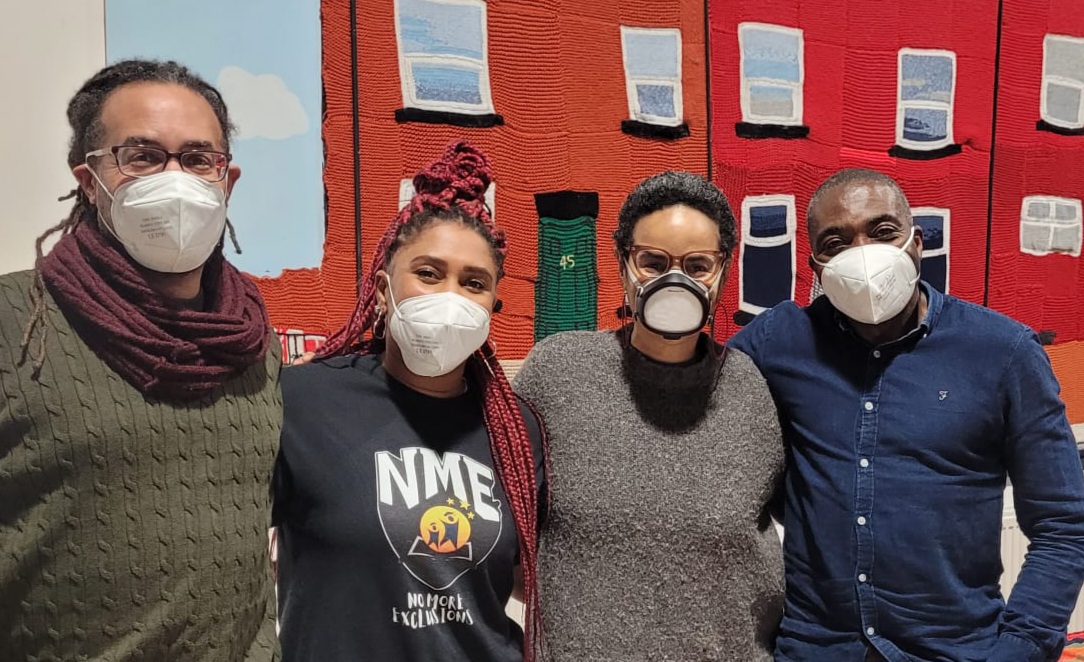
Rootwork: Re-membering for Black Liberation
“We have a felt sense that something’s wrong. Being able to feel it and work through that to get us back to the place of re-imagining: the dream space, connecting with our internal sense of hope and possibility that I feel can only come from the information our body gives us.”
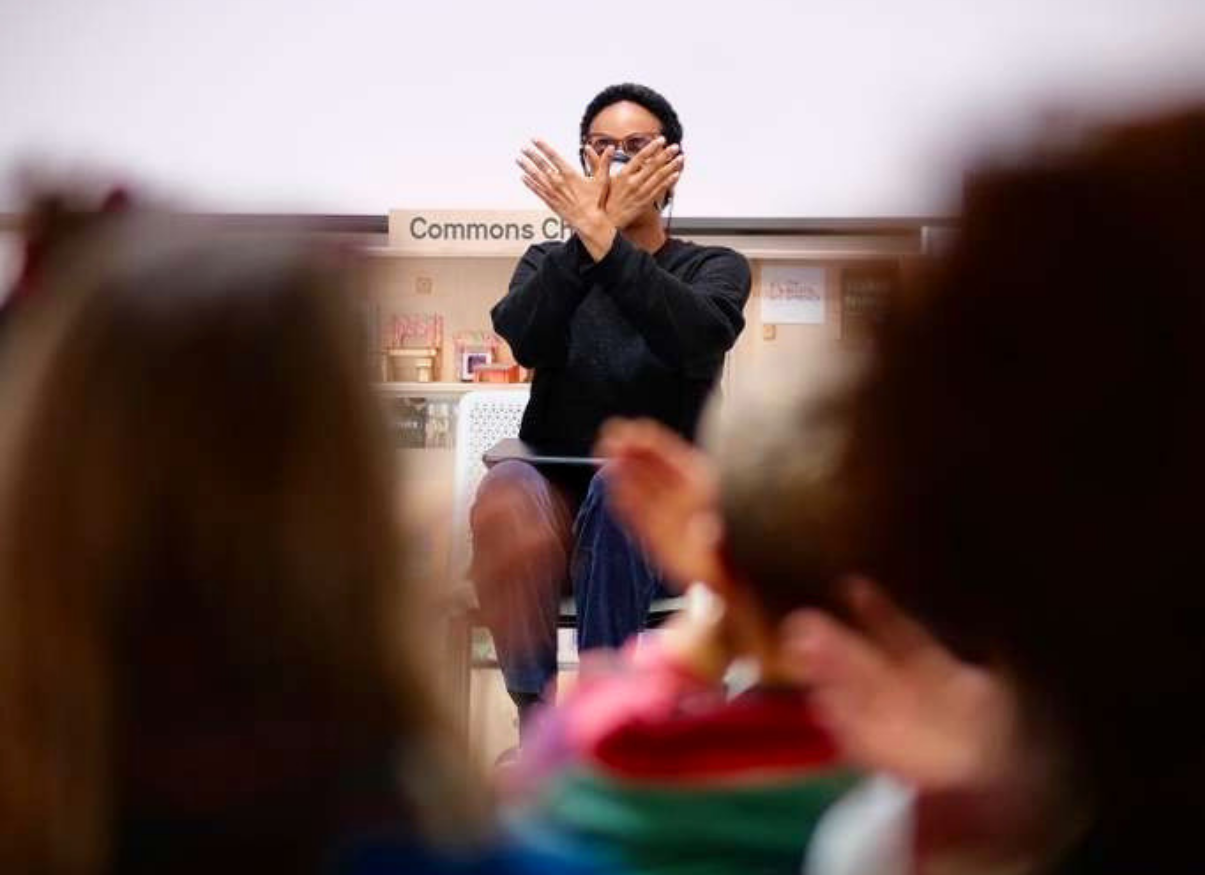
Rootwork: Reimagining the Future Starts in the Body
“Taking just a few minutes to land in our bodies changes the quality of how we are together. It creates a different foundation for connection, conversation, and collective imagination, and my hope is that we can all build on those skills and apply them to our daily practices.”
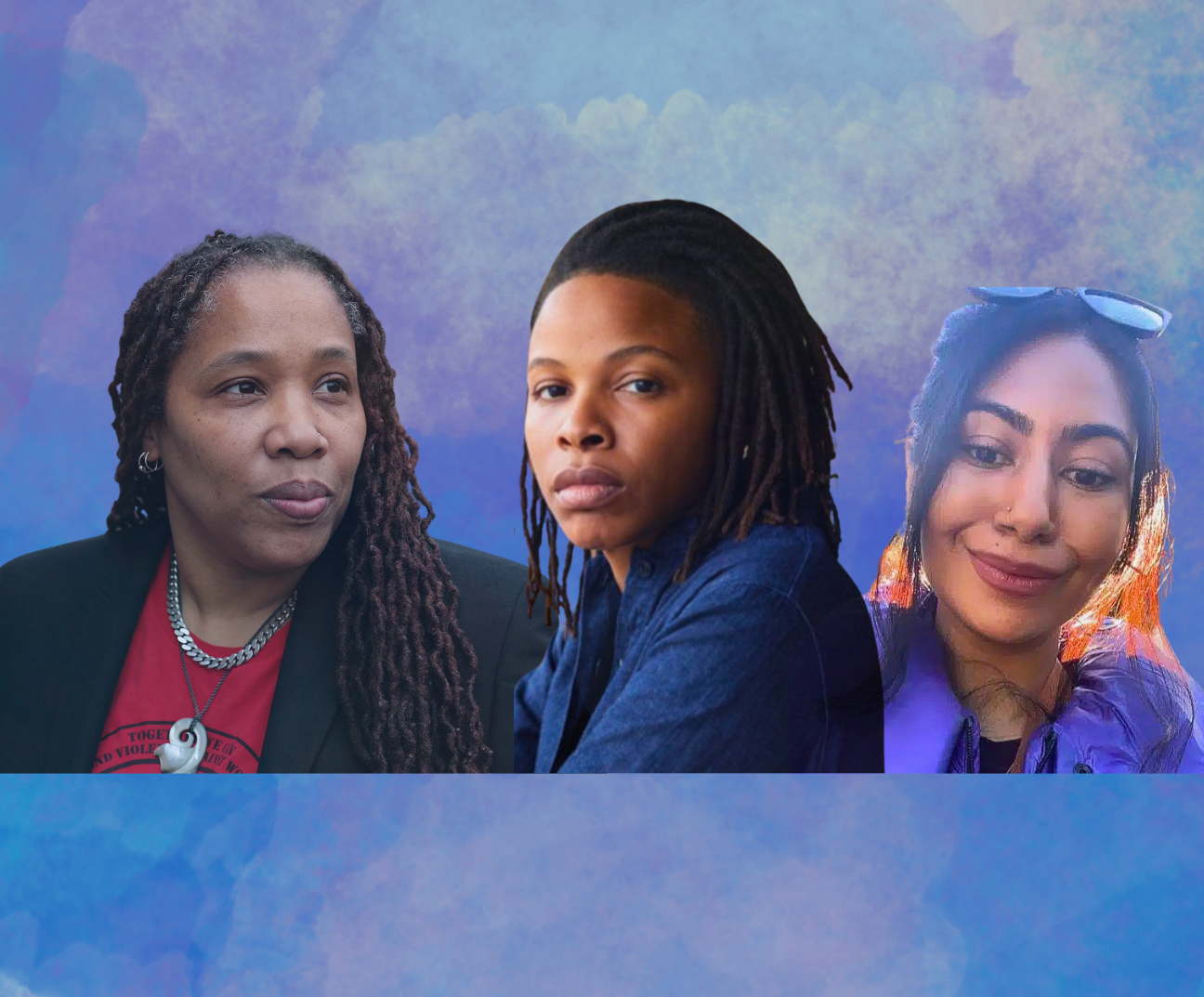
What It Takes To Heal
In the context of ongoing trauma and upheaval, how do we support connection, survival & embrace the medicine within us?
What It Takes To Heal is an exploratory conversation with Prentis Hemphill, Marai Larasi & Farzana Khan to reconnect us to the power of embodiment for collective transformation.
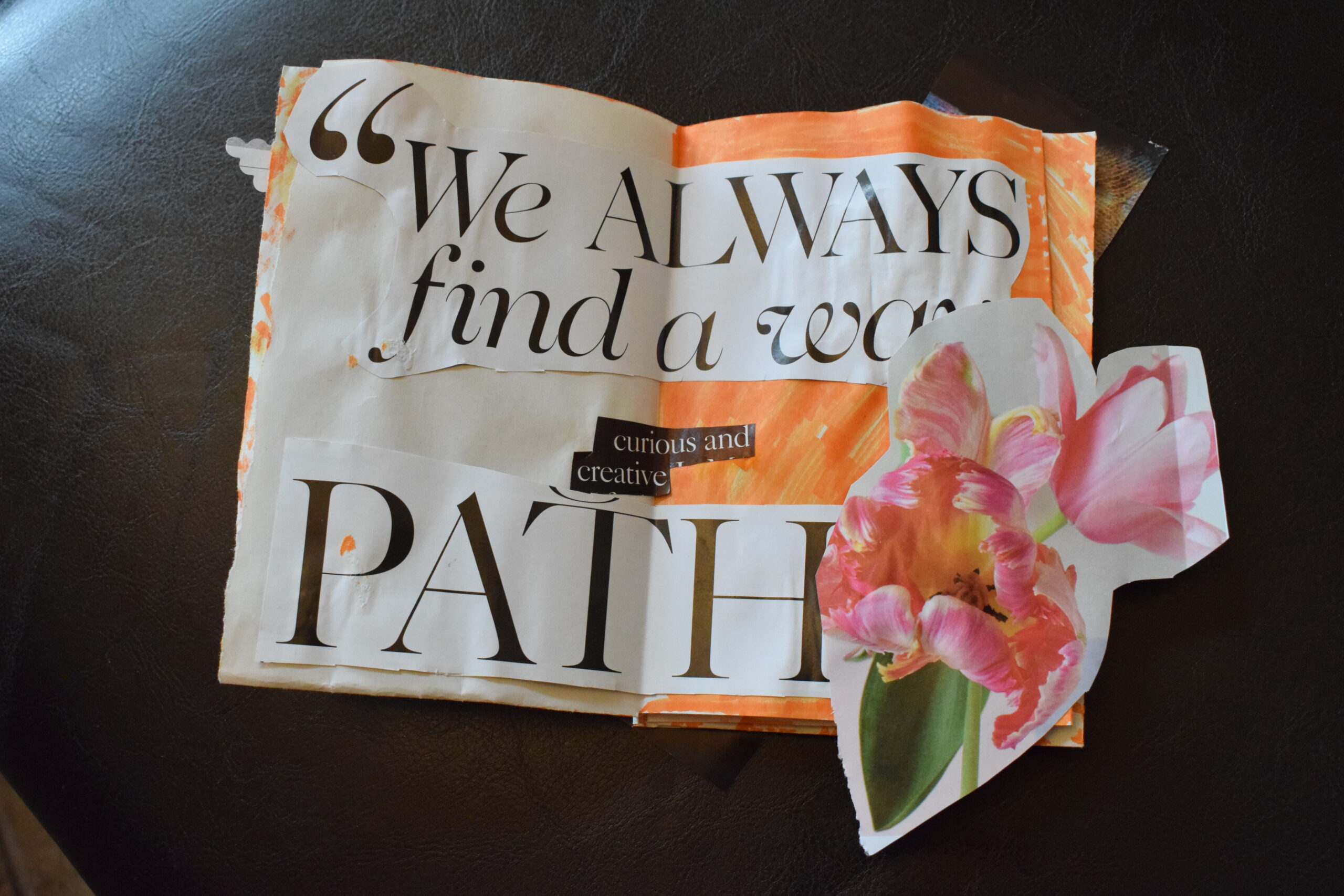
An Introduction to Politicised Somatics
We are portals towards liberation.
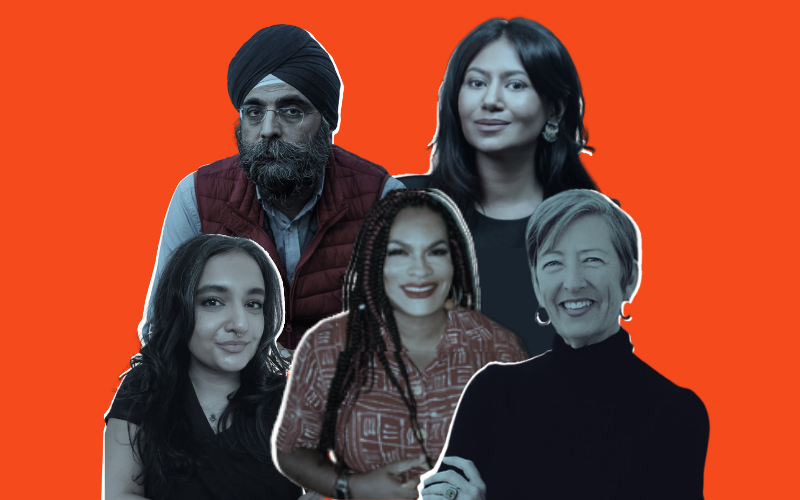
Building Collective Power & Preparing to Govern
Exploring the internal and external work. We offer this space for all of us – organisers, liberation workers, community leaders, healers, and abolitionists – to learn about the embodied competencies we need to cultivate in order to build and tolerate power, and reckon with what it costs us when, instead, we default to shame or making ourselves smaller.
Anchoring Resilience
A workshop sharing frameworks and practices to reduce stress, address trauma and build embodied resilience.