Community Agreements
Community care: We are nurturing and rebuilding ecologies. This takes times, is relational, needs all of us at different points, incrementally positioning and repositioning ourselves toward just, generative and thriving communities/ecosystems. What could happen in our spaces together can impact and ripple across many spaces, consider who and what you can impact.
Positionality (privilege/power): If you’re in a dominant identity please consider how you are making space for others in the space /if you are in a marginalised identity consider practicing taking up space with us.
Confidentiality: We share each other’s stories with consent and consciousness. What is said in here stays in here, what is learnt in here grows from here.
Uplift & Honour labour: “Citation is feminist memory” – Sara Ahmed.
Compassion: We are hard on ideas, soft on people.
Comfort and transformation: Comfort and transformation/vulnerability do not live in the same house, how can you come into preparedness to hold and sit with some discomfort or vulnerability?
Process: Be comfortable questioning, moving at the speed of trust and deepening in practice rather than seeking perfection.
Lived experience and trauma: These are not just conversations; they are visceral, tangible, material. It impacts us on many levels. Listen to what your body needs, opt in/out, take time to hydrate and rest where possible.
Equity: Equity is the opposite of extraction. How can our learning travel to invest in and uplift the most vulnerable and marginalised?
Capacity to grow: These are ongoing conversations, not everything will feel resolved or resonate. We commit to growing and creating spaces to do so with curiosity and creativity. Making space for non-performative learning.
Aftercare: If things come up you can check-in with our core team (info@healingjusticeldn.org). Please also utilise our aftercare menu.
Related
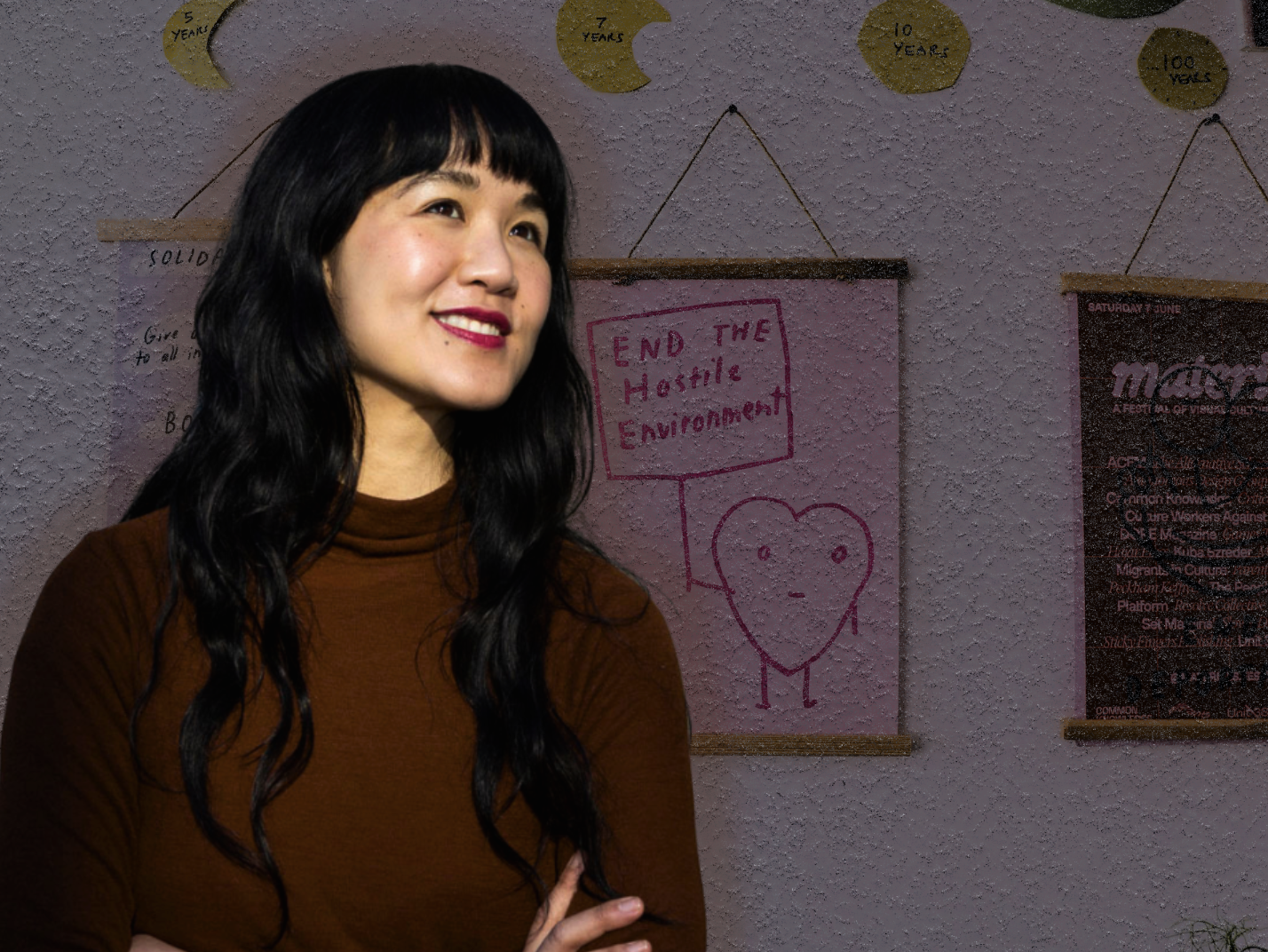
Inside Movement Medicine: Meet Joon-Lynn
Movement Medicine is a multi-year commitment to deepen in embodied practice alongside other organisers, movement workers, cultural workers, and healthcare providers. In this series we explore how it has impacted people individually and its importance in building towards liberated futures. Here, cultural organiser and co-founding director of Migrants in Culture Joon-Lynn speaks with Movement Medicine Senior Programme Lead Nishma Jethwa about her journey so far.
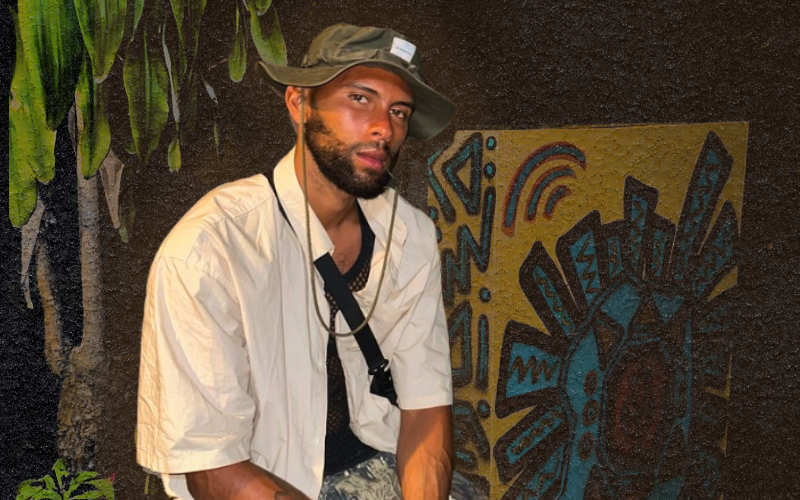
Inside Movement Medicine: Meet Macole
“I’m learning how it also starts from the self and how it is at the cellular level in which we create ripples and changes at a more macro scale. Innerstanding that being in the body, as a site of transformation, simultaneous effects broader structures. So much of the time we are understanding oppression by intellectualising it.”
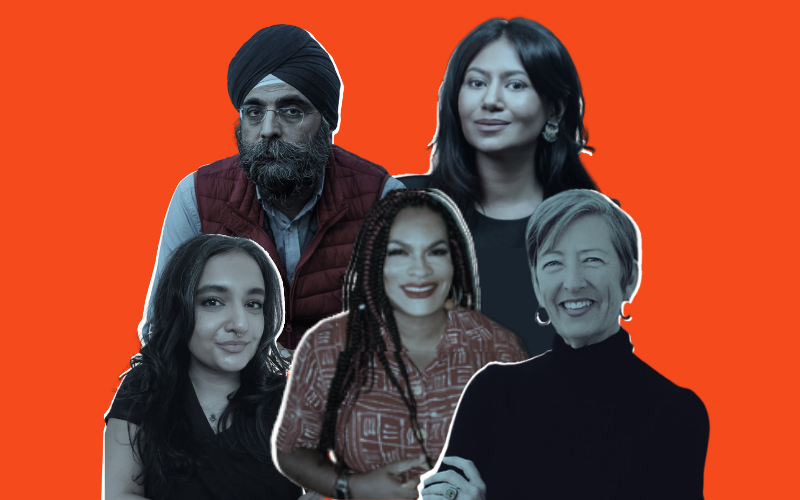
Building Collective Power & Preparing to Govern
Exploring the internal and external work. We offer this space for all of us – organisers, liberation workers, community leaders, healers, and abolitionists – to learn about the embodied competencies we need to cultivate in order to build and tolerate power, and reckon with what it costs us when, instead, we default to shame or making ourselves smaller.
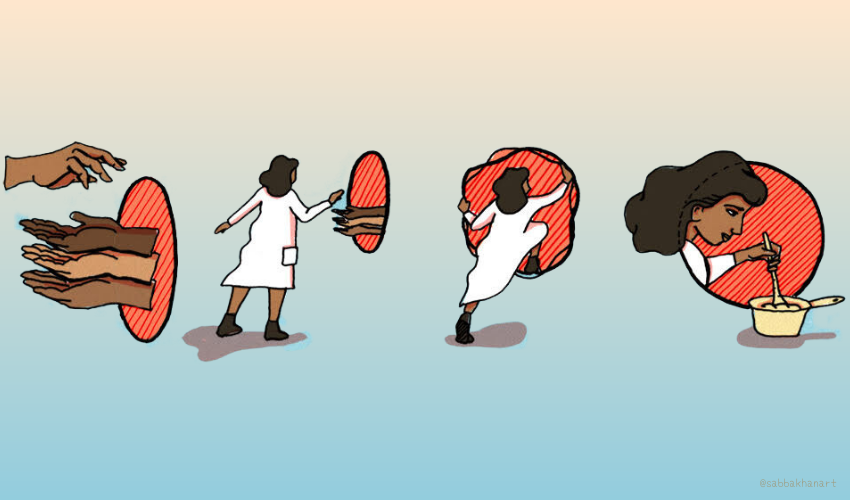
Experiments in Imagination
The work of imagination opens up possibilities to transform our society – to redesign and remake the world together.
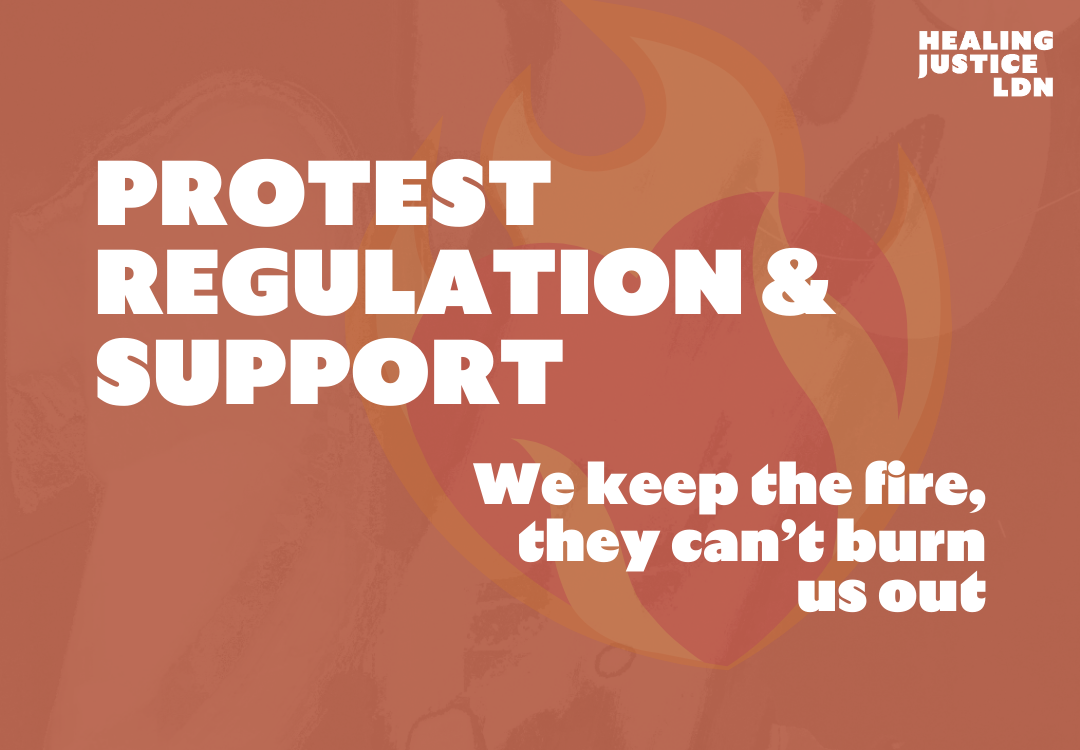
HJL Protest Regulating & Support
Tools to regulate and resource us before, during and after protest.
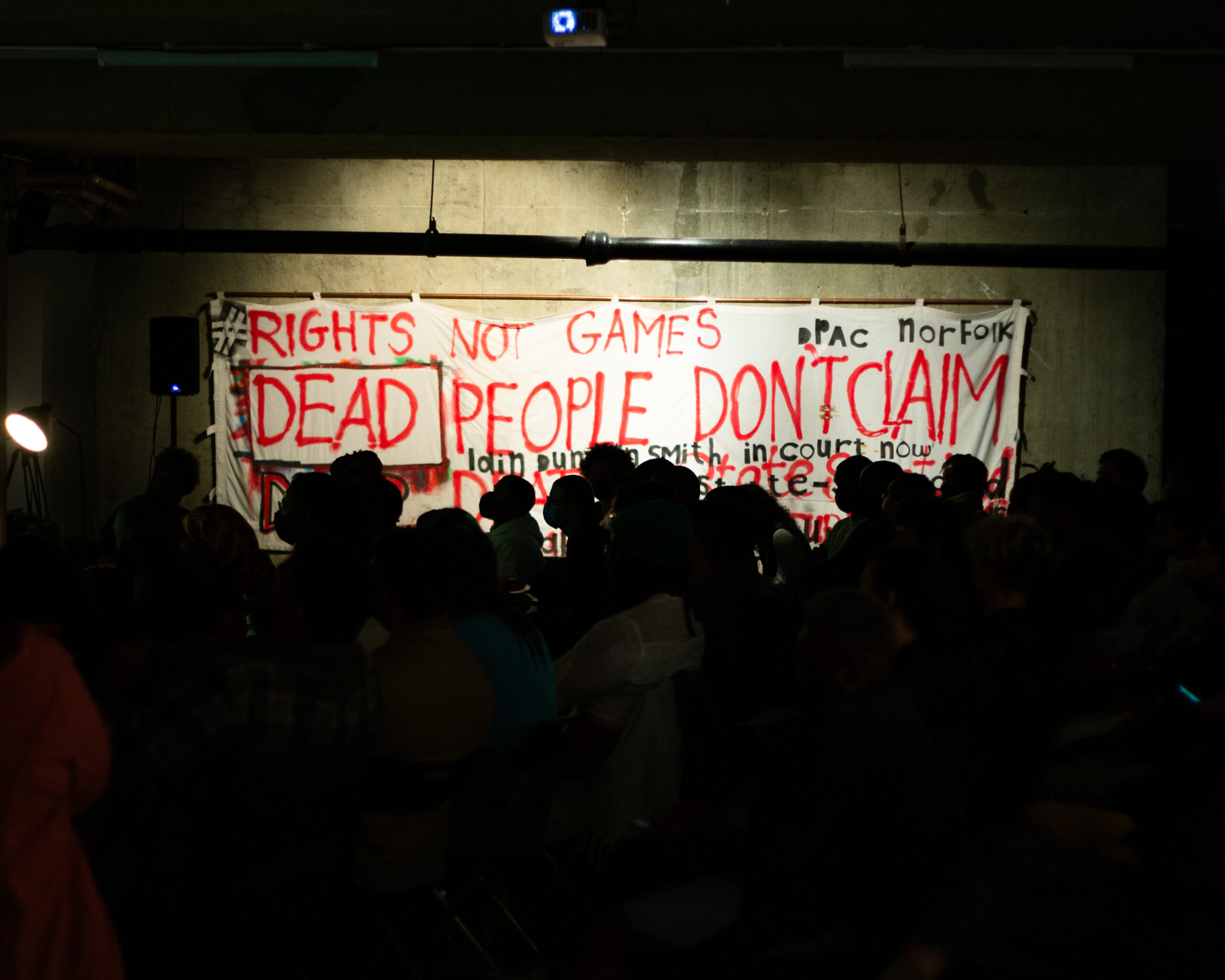
Deaths by Welfare
Explore the the Deaths by Welfare Project timeline, podcasts, resources, and videos. Together we are transforming our understanding of welfare state violence.
Rootwork: Like The Seeds of a Pomegranate
When it feels like the world is suspended in a state of permacrisis, community is the root that grounds us, giving us stability and hope. Not only does politicised somatics offer us an alternative pathway to reimagine our liberatory futures, but it also demands that we do it together. Like the seeds of a pomegranate, we nestle tightly against one another, connected by the white membrane that threads us together as one.
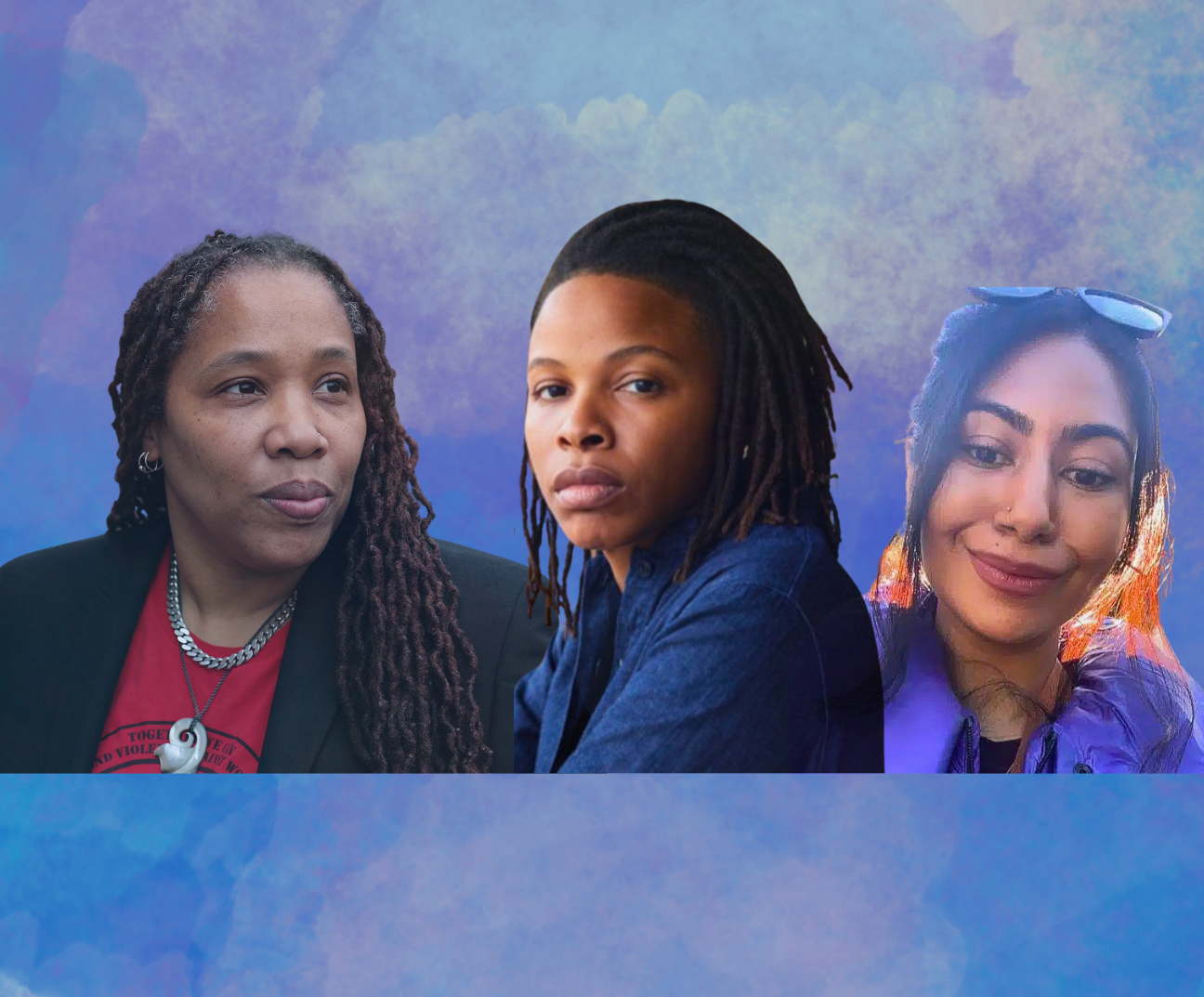
What It Takes To Heal
In the context of ongoing trauma and upheaval, how do we support connection, survival & embrace the medicine within us?
What It Takes To Heal is an exploratory conversation with Prentis Hemphill, Marai Larasi & Farzana Khan to reconnect us to the power of embodiment for collective transformation.
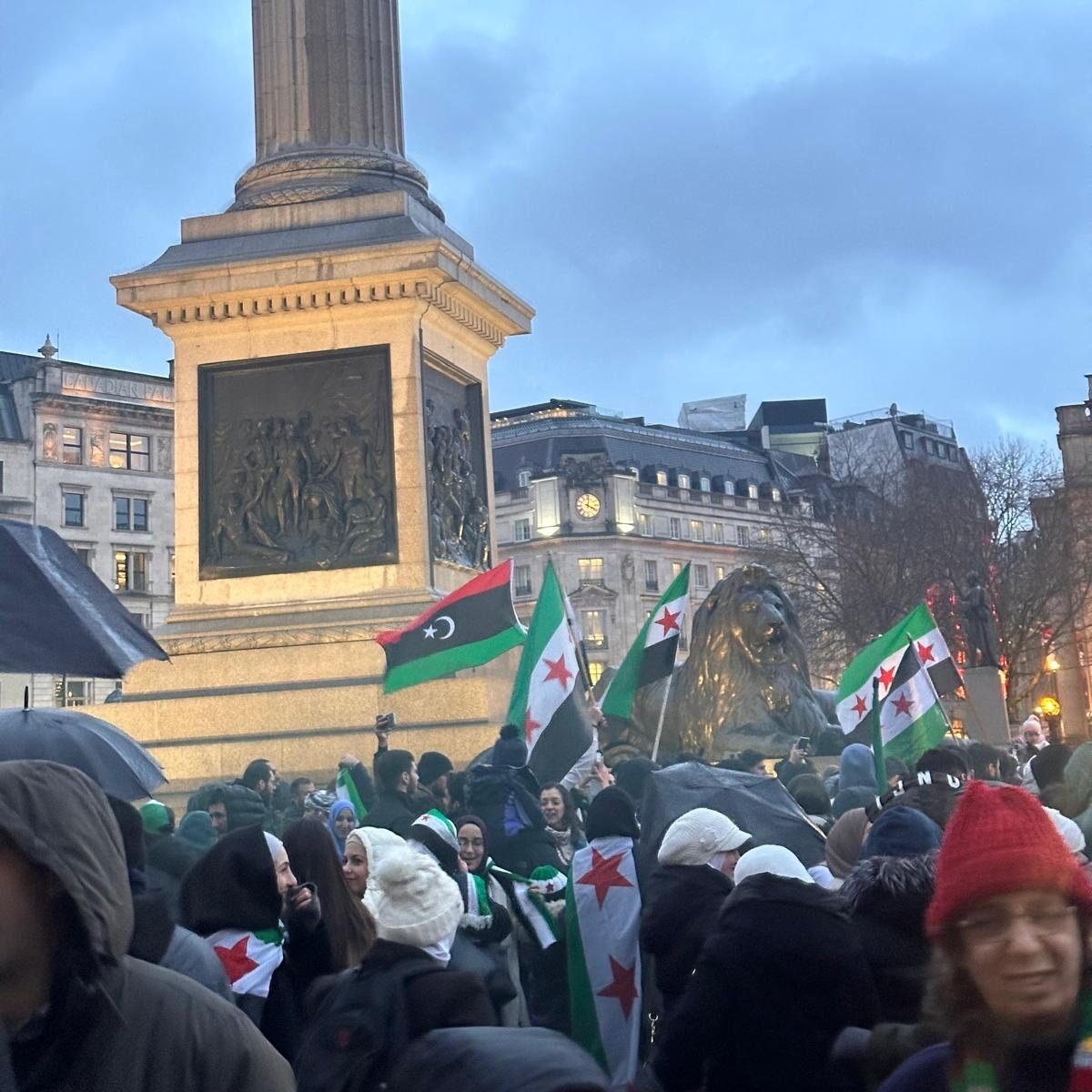
Politicised Somatics in Practice, Liberation, and Contradiction
Movement medicine practitioner-in-training dr dima mekdad explores how somatic practice illuminated and complicated her embodied experience navigating the liberation of Syria.
Somatic Healing: Therapeutic Touch for Healing Trauma
An introduction to healing trauma through somatic practices
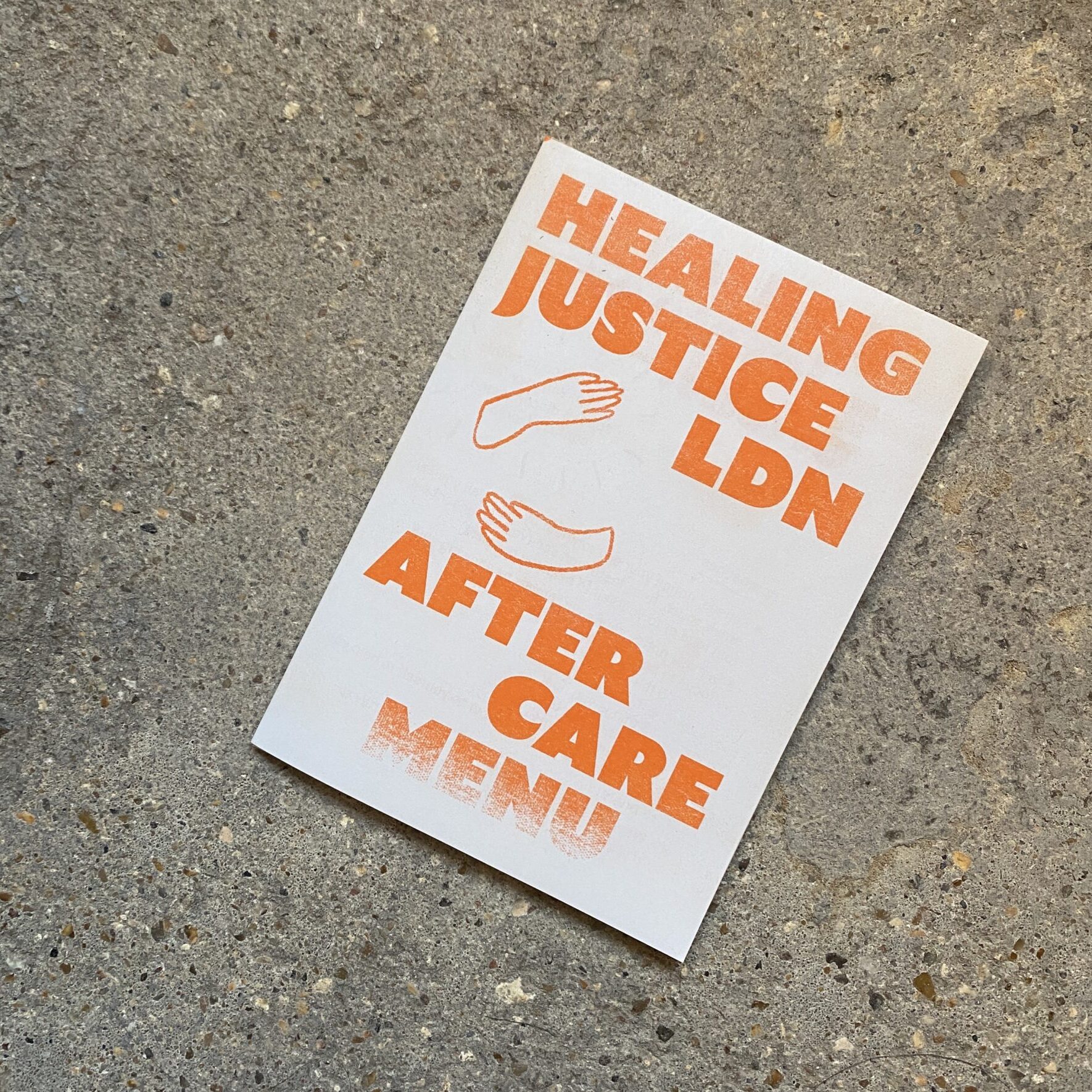
HJL Aftercare Menu
Tools for taking care of yourself after one of our workshops or events.