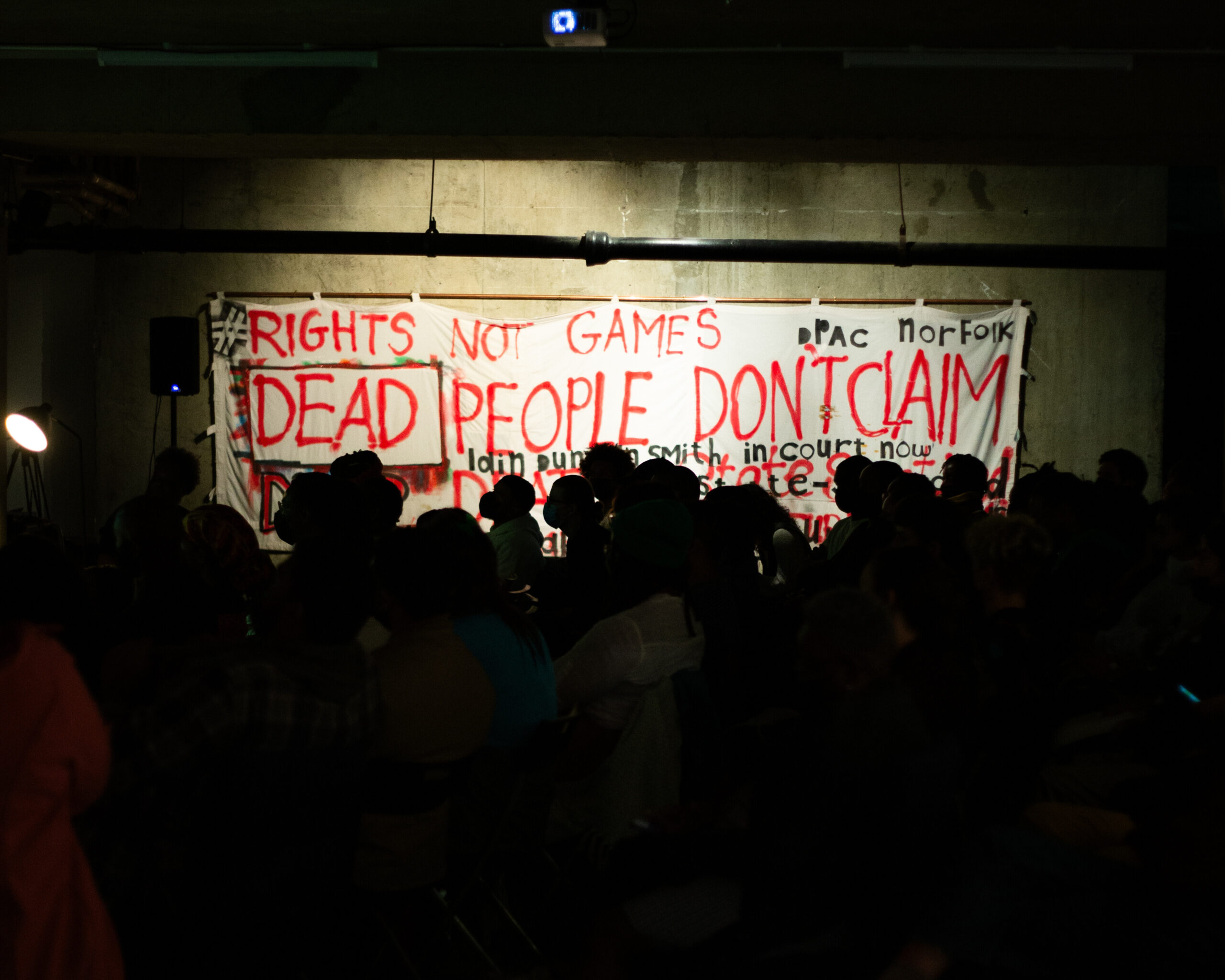
The Deaths by Welfare Project is transforming our understanding of welfare state violence. We evidence, explore and and open opportunities for families and survivors to organise and take action.
Deaths by Welfare uses the process of documenting evidence to build cross-movement solidarity through connecting people with lived experience of, and families bereaved by, different but connected forms of state violence. We hold with care and complexity people’s different dreams of justice. We are non-reformist because we know how harm is designed into systems – a feature not a bug.
Read more about Deaths by Welfare, welfare state violence, and the possibilities within abolition and justice in the book No More Deaths by Welfare available now from Pluto Press
The Deaths by Welfare timeline is a database of evidence, co-produced with disabled people, showing how the welfare system creates life-threatening policies that lead to people’s deaths, and documenting disabled people’s resistance. The timeline was co-created by China Mills and John Pring (a disabled journalist and the Editor of Disability News Service), and is based on over a decade of research and involvement in disabled people’s anti-austerity campaigning. The need for the timeline and its contents is deeply informed by disabled people’s expertise, knowledge, activism, and movements. The timeline is a tool for disability justice movement organising.
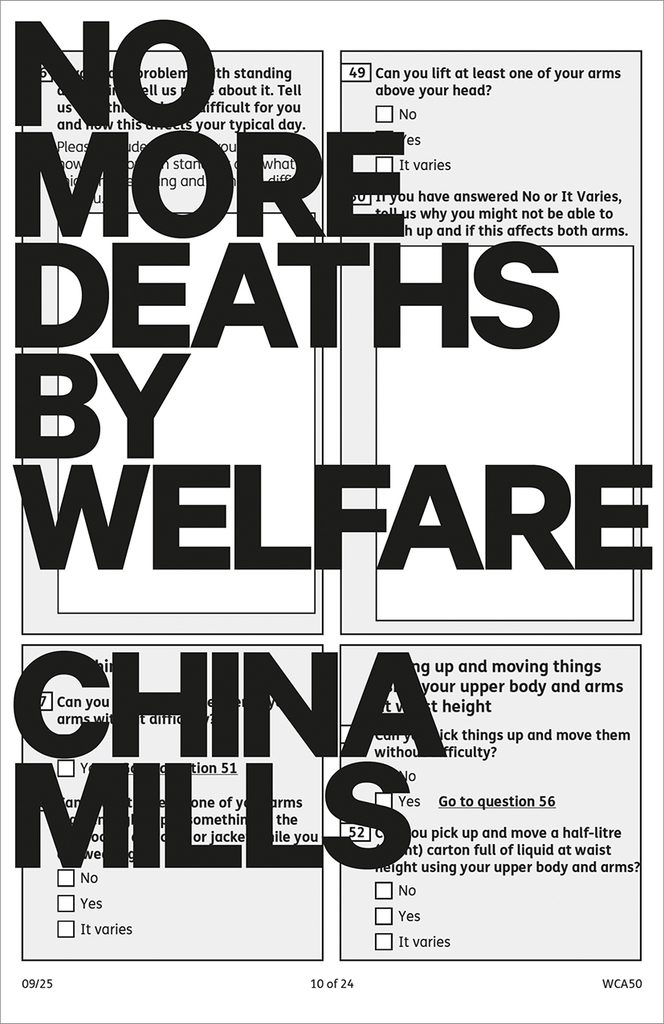
Published in October 2026, No More Deaths by Welfare exposes the lethal mechanics of Britain’s social security system that has been weaponised against the very people it claims to support, and how people are beginning to imagine a new society, refusing the confines of a welfare system built on shame.
China Mills connects the dots between the Department for Work and Pensions (DWP), the arms trade, the immigration system, and colonial extraction. In doing so, she traces the dark history of a department rooted in state-sanctioned policing of who is (and is not) deemed deserving.
But it is more than a chronicle of harm. Drawing on over a decade of activism led by disabled people and bereaved families, and from police abolitionists, the book delves into the power of collective imagination, healing shame, and refusing ‘perfect victim’ narratives. From direct action on the streets to the quiet, powerful mutual aid practised from bed, the book is a call to action not only to build solidarity and power against state violence but also to imagine, practice, and build welfare justice.
This additional resource series is rooted in the Deaths by Welfare project’s work since 2021. Our goal is to offer insights, evidence, and framing to support us to build power against welfare state violence. The resources are indebted to and oriented towards movement organising, activism and justice as a way to imagine welfare justice and create more life-affirming systems beyond the State.
Learn more through a panel conversation between Derica Shields, China Mills, Tumu Johnson, Stella Dadzie and Gargi Bhattacharyya that explores the welfare state as one thread connected to a wider tapestry of state violence, which produces the premature sickness and deaths of poor, racialised and disabled people. The panelists discuss how racial capitalism, eugenics and coloniality are designed into welfare state infrastructure, and why state violence is a feature of the welfare system, not a bug.
The panel was filmed at the Rehearsing Freedoms Festival in October 2023.
In collaboration with activists and scholars Stella Dadzie, Imogen Day, John Pring, and Rick Burgess, in this episode, China Mills describes the grinding bureaucratic crimes committed as the DWP sought to force disabled people into work. This painful story is also one of power. We’ll hear how disabled people and people of colour have fought tirelessly to expose the true scale of this crime – and get justice.
The knowledge and leadership of disabled people fighting fatal reforms is central to this work, and this podcast aims to bring some of these voices together to understand how policies designed in the name of ‘welfare’ can create the conditions for people’s deaths.

Exploring creativity as a central practice to expose and resist the violence of the welfare state.

A conversation about the skills and wisdom that disabled people bring to surviving and thriving during the pandemic and beyond.

Calling some people a ‘burden’ provides a cover story for welfare state violence.
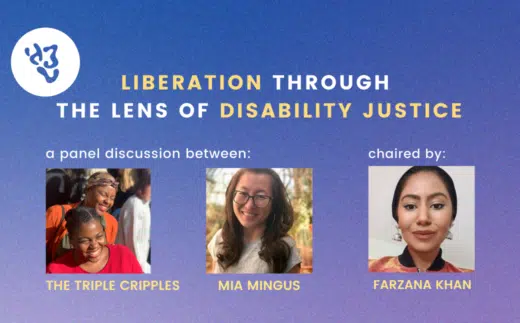
Discussing disability justice and its relationship to racial justice, abolition and liberation.
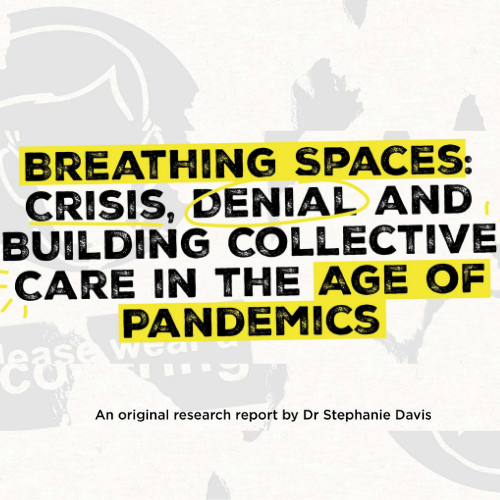
This report reflects on the Covid-19 pandemic, the denial of its ongoingness and how folks who are positioned as most vulnerable to the virus continue to organise to collectively respond to the current moment.
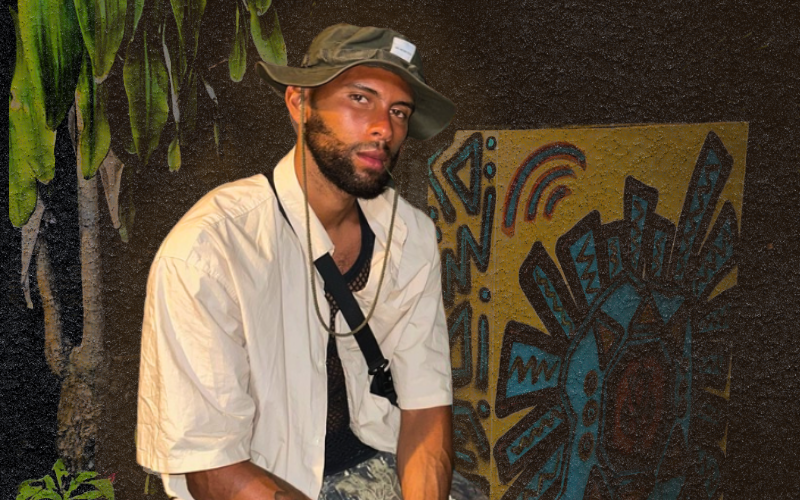
“I’m learning how it also starts from the self and how it is at the cellular level in which we create ripples and changes at a more macro scale. Innerstanding that being in the body, as a site of transformation, simultaneous effects broader structures. So much of the time we are understanding oppression by intellectualising it.”
One of the strengths of our movements for liberation is in turning towards the trouble, not away. A letter drawing on a transformative justice lens to resist polarisation.
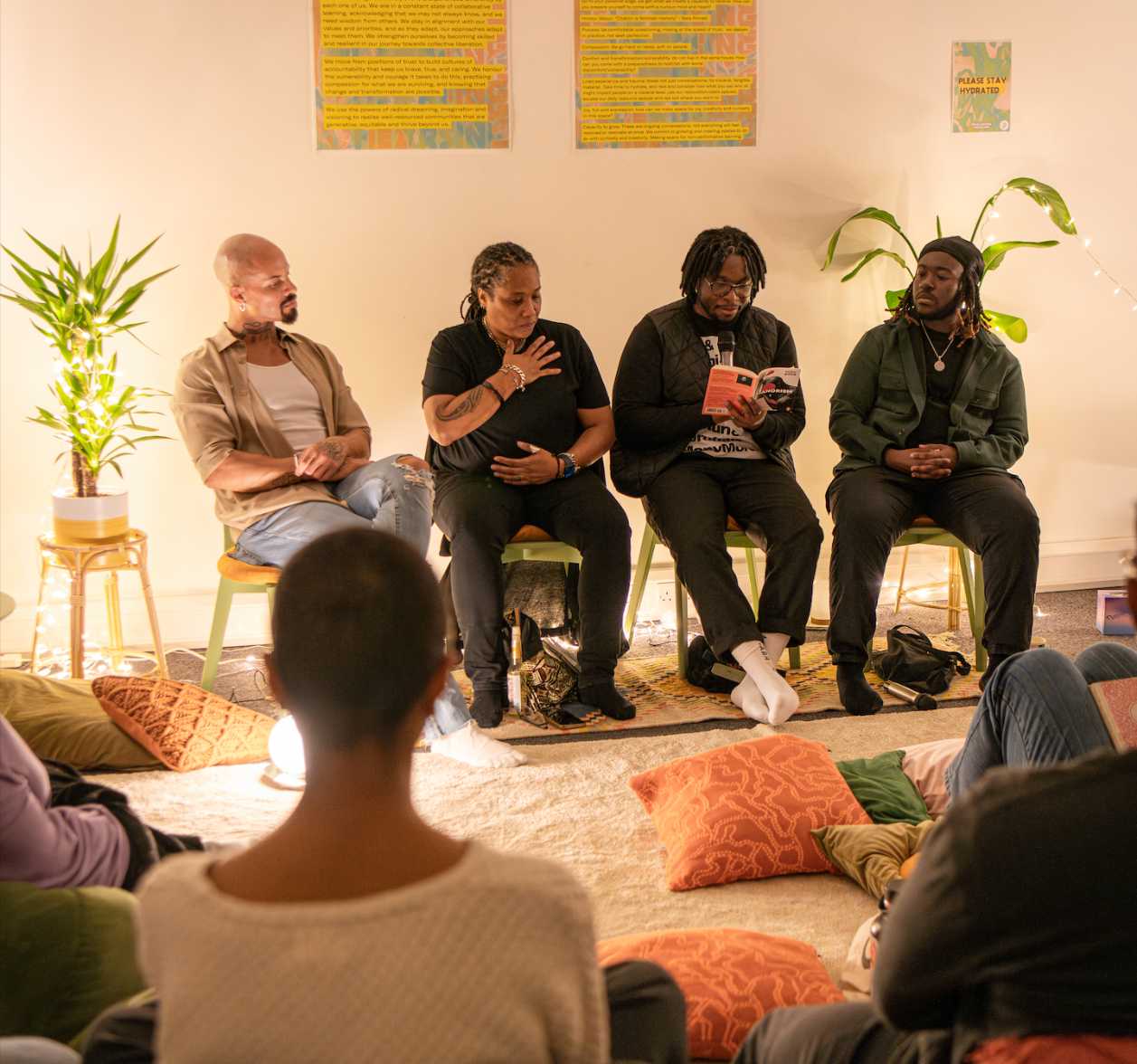
Exploring the conditions and contexts that shape how we build and organise within social movements. We are ready.
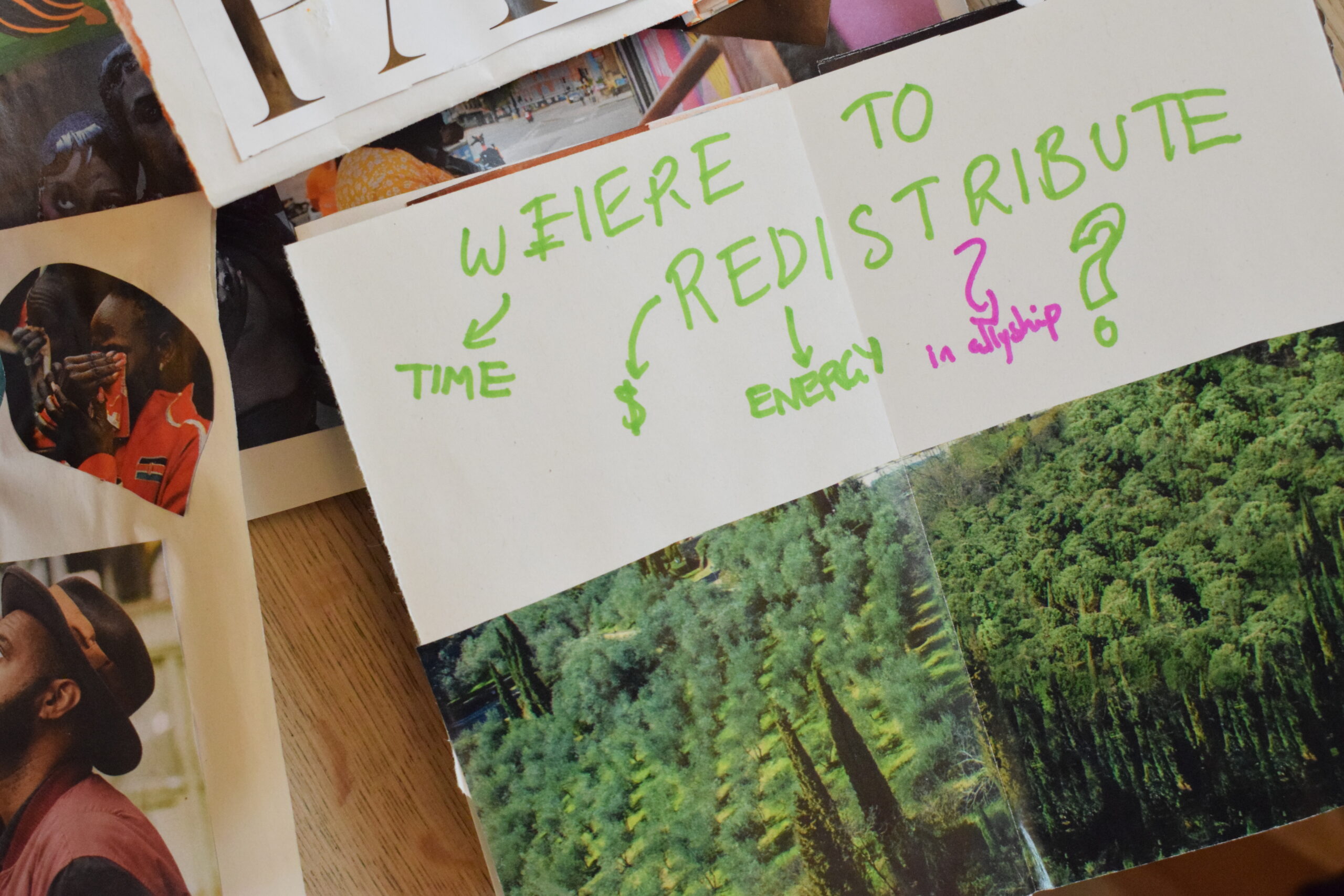
Exploring how we structure, govern, and transform our organisation in challenging conditions.