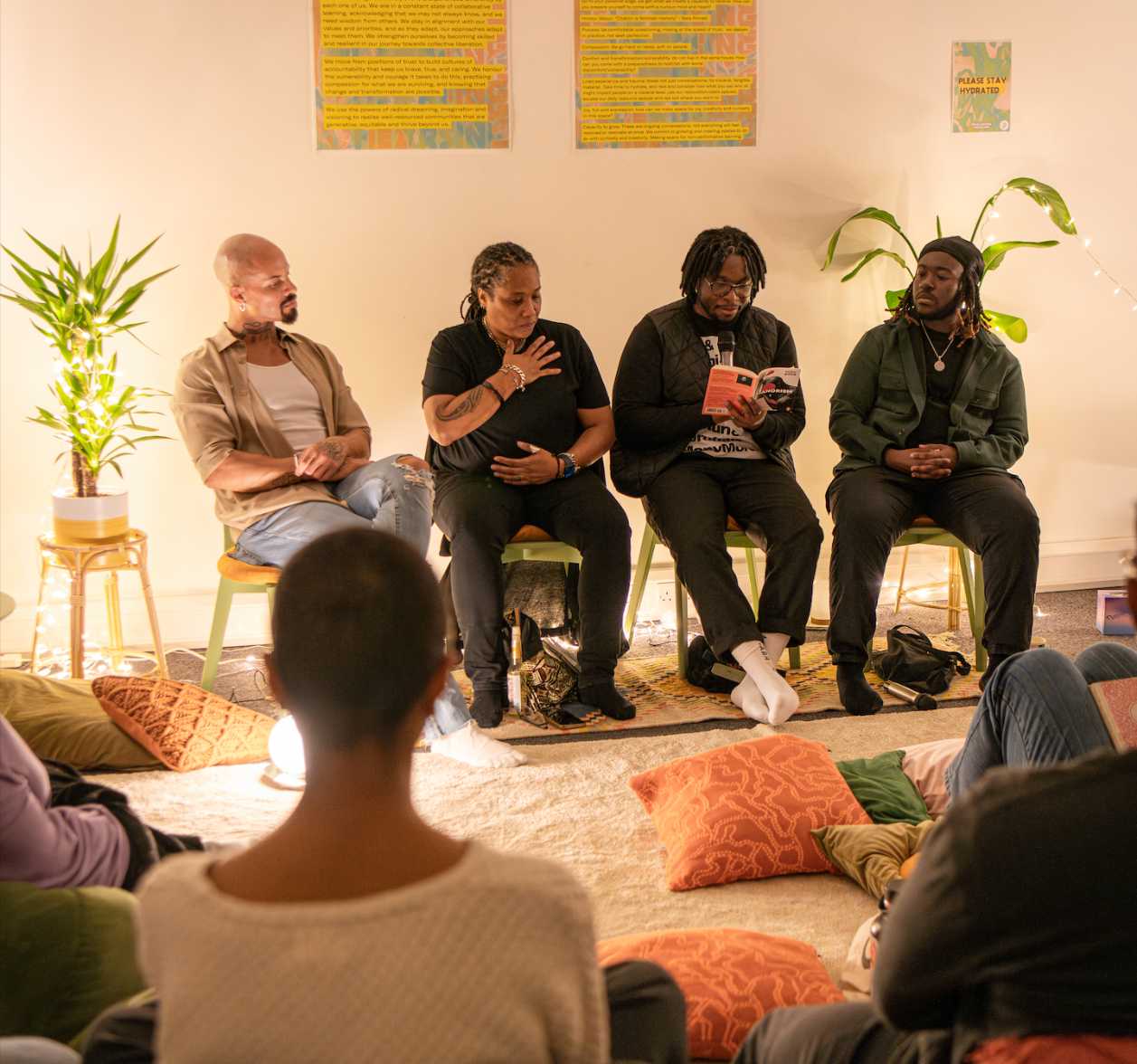
Movement-making is returning to our native state of deeply belonging to one another. In the midst of crisis, trauma, humanity and remarkable creativity – we are each other’s.
National and global fascism structurally and socially instructs and codes that, as people racialised as Black or Brown, we can neither be nor belong; that every facet of life is designed to chronically separate us from ourselves, each other and all life/living worlds. This keeps us successfully divided, depleted and fearful. As part of our liberation work we are duty-bound to develop a practice of profound connectivity as a radical rational strategy–an admission and affirmation that our total aliveness and wholeness is intimately interdependent.
The past few weeks (years, decades) have carried devastating grief, rage and sparks of possibility. We are witnessing the recent surge of emboldened fascist violence in the UK alongside the portals of hope, from UK anti-fascist protests, to student encampments, as well as the Bangladeshi student and people-led national movement which overthrew its dictatorship and is reclaiming its streets, public spaces, and country. The ongoing and steadfast resistance of the peoples of Sudan, Palestine, Haiti, Democratic Republic of Congo and many other global majority peoples invites us to continually contextualise our globally shared, intimate and doorstep experiences of fascism. This fascism emerges from capitalist and colonialist investment, and a long-term strategy of constructing conceptions of the world as an individual endeavour, where our interconnection is a mythologised and much of life in its rich, diverse forms is devalued, dominated and destroyed. We are in the direct outcome of necropolitical strategies – designed violence, purposeful neglect and engineered polarisation in the UK. This is through the specific decades of deliberate precarity constructed through policies of mass austerity, class violence in the UK, decimation of public and civic infrastructure and provision, aggressive surveillance and securitisation and fearmongering of the left, that feedback into each other.
These underlying ideologies continuously create/recreate hierarchies which dictate that those that are ‘othered’ for exploitative and extractivist reasons are to be extinguished and extinct-ed when they are ready to be disposed of or are dissenting; this is the case both on a planetary and human level. So, the fight we are in is one absolutely between death and life.
We are tasked with building movements at scale and nurturing communities as our personal and collective lifeline, our sharpest weapon and our most life-affirming medicine, which prepares us to realise a sustained revolution or collection transformation. Inviting ourselves and our allies to be heart and soul deep, shoulder-to-shoulder in Movement, where our solidarities in moments of uprisings extend to our daily practice of remaking a different world, requires us to not only come together, but also move together. Our political practice is our most alive daily practice, after all:
“I don’t think we should be reasonable and I don’t think this hope has anything to do with reason, because if it did we wouldn’t have any revolutions even the ones that went wrong” – Arundhati Roy
In organising meetings and listening to each other, across our communities, we listen to, and feel, the legitimate despair and hopelessness being expressed with heartbreaking repetition. We have been forewarning these times for decades. We have been ignored, punished and criminalised for dissent and protesting. At every juncture, the walls seem to be closing in on us. It seems idealistic and unreasonable to remain hopeful in the face of overwhelming destruction and loss everywhere. Yet our hope has a critical place, and it places us in transformational and revolutionary work.
We at Healing Justice Ldn have the honour to know that our hope is grounded in our material reality as much as our political aspirations. Last year our Rehearsing Freedoms Festival intended to grow movement apparatus and deepen solidarities. This sustained pan-London programme of community health, healing, and movement-building brought together activists, organisers, artists and visionaries from across the UK and beyond. Our aim of the programme was precisely to train with one another for bold and broad movements that are multilayered, with multiple ramps and entry points and prepped to meet the moment. The festival revealed and affirmed the abundance of ongoing resistance, strategies and organising led by people of colour/Global Majority and other intersecting marginalised communities. Through Rehearsing Freedoms, we accessed and co-curated portals into the abundance in strategies and skillfulness for our times generated by us and our communities right here. It is encouraging to acknowledge there are innumerable collectives, movements, visionaries and activists that are thriving that were not featured in this particular programme.
We’re too often siloed and kept apart from one another; when we align, we destroy the myth of scarcity because we possess the deepest reservoirs of courage, steadfastness and creativity, it is already being practised albeit sometimes separately. Through Rehearsing Freedoms, we witnessed the genius and power of our communities over a breadth of varied and shared struggles. Our communities are, and have been, prepared and fighting for these times. We have elders, ancestors and lineages to build from, and we have practices and strategies to learn from each other and build upon. Mostly, we saw that we are more aligned than we are separated. Now is the time to harness the abundance of the organising and skillfulness that we already have, and find ways to strategise together. We need to coordinate our movements and be as bold, beautiful, creative and brave as we are. We are out here, and we have always been many. We are as ready as we can be, and in so many ways we have everything at stake, and yet nothing to lose, which makes us powerful and dangerous.
Below, we share some key learnings and wisdoms. Some of them may feel counterintuitive in high stress and high stakes situations, especially because racial capitalism and oppression keep us reactive, burnt out, sick, traumatised and distracted. However these tactics are invoked to create robust strategies and movements that can meet the moment and supersede the power of oppressors in a way that outwits and outlasts our oppressors.
These times require us to fight back and protect ourselves. By any means necessary, we will have to claim back the streets and public spaces that fascists try to exclude us from. As evidenced over and over again, the police and state not only do not keep us safe, they actively endanger us. We know that, on occasion, their interventions offer limited, temporary reprieve, but these always take place within a wider framework of systemic violence. We know that narratives of nonviolence are weaponised within colonial architecture in order to suppress the resistance of those subjected to violence in the first place, and they are used to pacify legitimate responses from movements. We also know the greater forms of violence and terrorism are the state-engineered austerity, precarity and genocides, which fuel poverty, epidemics, pollution and toxic soil, water and air – that both slowly and quickly kill people en masse, and disproportionately kill those that are subjected to intersectional oppression. The state is not moving from a place of nonviolence, it is structuring from a place of violence and organised abandonment.
As we seek to protect and defend ourselves and each other, all the while living the real and legitimate distress, our very wise and intelligent bodies and souls are registering all of this. Our bodies are highly intelligent, reflecting millions of years of evolution. In response to the physical, emotional, psychological and spiritual crises we are surviving under capitalism and coloniality that threaten all forms of life, our physical bodies utilise their intelligence to fight back and flee (at times we may also freeze, appease and fawn). These responses are evolutionarily appropriate because they tend to our survival and keep us alive. Yet at times they may not be congruent with our context. Such as when they cause us to shut down, isolate, cancel each other and abandon one another at points of conflict or pressure. And the far right survives from this loss of our ‘we’, from our polarisation.
As people who are committed to deep change, we have to support the very smart ways our bodies respond to our context and contexts. It’s going to be messy, contradictory – and we are still needing to find ways forward together. However we can find new postures and patterns beyond these default settings and embody new choices and possibilities to each other. Given what we practise, and if all we are made to train in is fear and fight, then this is what will translate and be practised in our love and movement spaces too. It will become our conditioning. In many ways, it has become our conditioning. As the saying goes, ‘If all we do is pick up a hammer, then soon everything will look like a nail’. This is not to say we don’t fight back, but rather to say we need to discerningly, consciously identify spaces where love is going to be nurtured, and then learn to take our armour off there. In our safe spaces–whether with family, kin or connected folks– let us cry, feel, pray and play together.
Actively, where safe and nurtured, let us return our hearts back to ourselves. We can choose vulnerability and tender practices like crying to bring clarity to our visions, to hear one another, and to bring more attention to our heart spaces. Let crying remove the veils and illusions that fog up our sight so we can move with deeper commitment. This is an opportunity to uninternalise deep-seated British values of stiff upper lip that contribute to the active dehumanising of ourselves and one another. We need to feel our hearts, express, and emote – not resign ourselves to the patterns and expectations the oppressors shackled us with. Our ability to fight well and be resourced will come from where we are being nourished, connected and touching the beauty and love we are fighting for. As we intentionally fight back, let us intentionally nurture our worlds and paths to reflect what we are building.
Capitalism, colonisation, patriarchy, white supremacy, ableism, and all other forms of oppression have atomised us. We have become so fragmented in mind, body, and from one another. As we organise through community and connection – which are the opposite of violence and separation – we remember our bodies, our ancestry, and the living worlds, and also our place next to and with each other. Fighting with more resources, strategy, and coherence, allows us prefigurative possibilities as we dream our future.
In many of our indigenous, spiritual and cultural ways, the state of the world reflects the spiritual condition and the states of its people. Where capitalism and colonisation cause us to feel alone and keep us feeling extremely divided and conquered, we are emboldened and cradled by strengthening our physical, emotional and spiritual tools. This is literally us developing a practice that connects us with something deeper and bigger than this moment and our specific identities. This supports us amidst the profound state of overwhelm caused by having ‘so much to do’ by placing us in a continuum and legacy including our ancestors, elders and the land, all of which oppression has torn us apart from. We don’t have to do it all, but we do have to do something. It can help to ongoingly ask, and be present to, ”What is ours to do? What is mine to do?”
Our practices invite us to consider and contribute our unique skills as medicine to the collective. There is a place for all of us in movements at each point in life. Whether it’s prayer, mindfulness, song, dance, Dhikr, folk and collective medicine or being with nature, we can find something where we are touching something greater than ourselves. Martial arts and similar practices allow us to preserve energy without it leaking or being misguided. This is strengthening the arrow in ways that don’t debilitate us. This also prevents us from siloing into identity politics, and returns us to the ‘we’, including the more-than-human. This can replenish and support our long-term visioning muscles. Situating ourselves in a ‘we’, because we are not alone is part of how we give word to our collective commitments. As we allow ourselves to enter the realm of the “we”, “us’, “I and I”, we open to experiencing ourselves and our interconnectedness more acutely. We begin to know more clearly that the land is fighting back, the air is fighting back, our ancestors are fighting with us. We are not alone, and we need to draw on the strength and wisdom of knowing this and moving with the magnitude.
We can also use our daily practices as collective practices with people as a way of community and movement building. So we are finding ways to practise moving together in an embodied way, especially under pressure and in uncertainty (as are the current times). This will not only help us get a clear and more embodied sense of allyship, feeling each other shoulder to shoulder, beside us, behind us, and alongside us. We can start to track and notice where we need to get stronger together and we are best placed for strategic action.
As we connect with the ‘we’ that is bigger than you, we can ask for guidance and ask for wisdom, just as our ancestors did. We can feel for the land that is holding us up, the air that we breathe, and the water we are blessed with, to give us support. We can use tools that bring us together and support us to communally co-regulate. They are apparatus to strengthen us and help us move together more coherently and to feel connected to one another.
We are going to need to practise being in community with one another more than ever for our bold and brave movements. Sadly ‘community’ has become a term that is weaponised against us by the state or a buzzword for cliques and commodification. We have the most violent capitalist machine promoting narratives of scarcity and economic precarity to deepen injustice and inequity, and simultaneously telling us we are a community. The type of community we are inviting each other into is the undoing of capitalism, of deep radical kinship and belonging to one another in ways that we don’t do away with each other or withdraw resources at points of pressure or scarcity.
So our work is practising community, because it is something that has to be practised. It will not be enough to continue our hyper individualised lives, because our lives and futures are dependent on each other. If we want to disrupt the chokehold of fascism, we have to be able to choose each other above the fear-mongering xenophobia that is ever increasingly churned out. It means learning about our neighbours, getting more involved in our localities. It means feeling into the possibility that anywhere has the potential to be an opportunity for radical kinship. If we don’t live in a neighbourhood, or it is not possible in our locality, we can practise online. We can choose to be with everyone and anyone who is choosing a world connected to life and liberation. We can unlearn the individualisation that has fractured us.
As pressure is intensified and resources are made more scarce, we have to start preparing for how the strength of connections and solidarity brings us closer, and not further apart. As food, money, and resources become less available for us, we must feel able to choose and rely on sharing, redistribution and reciprocity rather than withdrawing and hoarding resources, which is the training in fear-based economies like the UK.
As we aim to grow movements and communities that can withstand these times and even flourish, we need to nurture and create new relational templates and strategies. As we move toward brave and beautiful community, we invite each other to grapple with:
with thanks to Marai Larasi and Alex Bledsoe
01/10/2024
Find spaces for individual and communal practice:
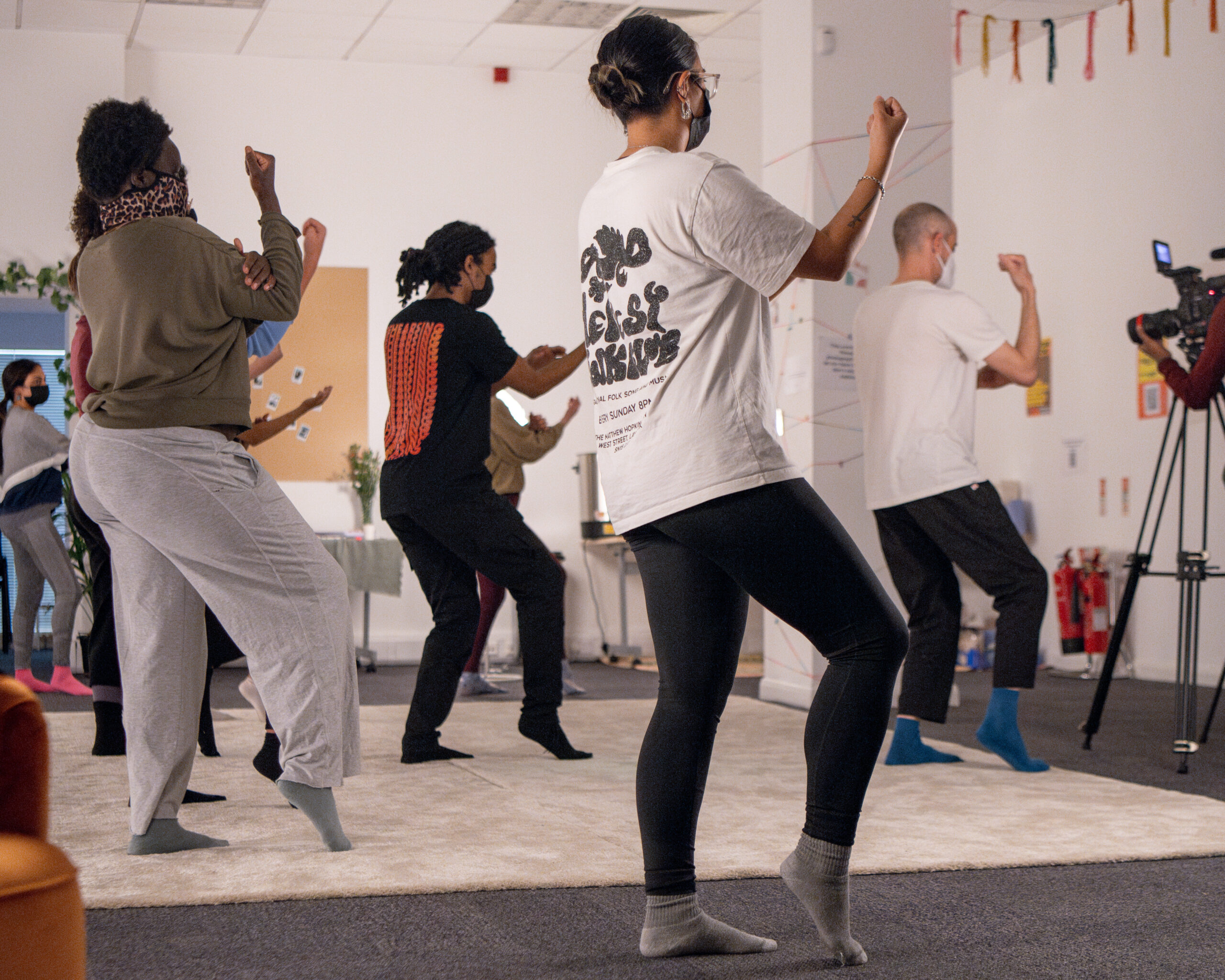
A space for racialised/global majority people to explore connections with rage through embodied practice.
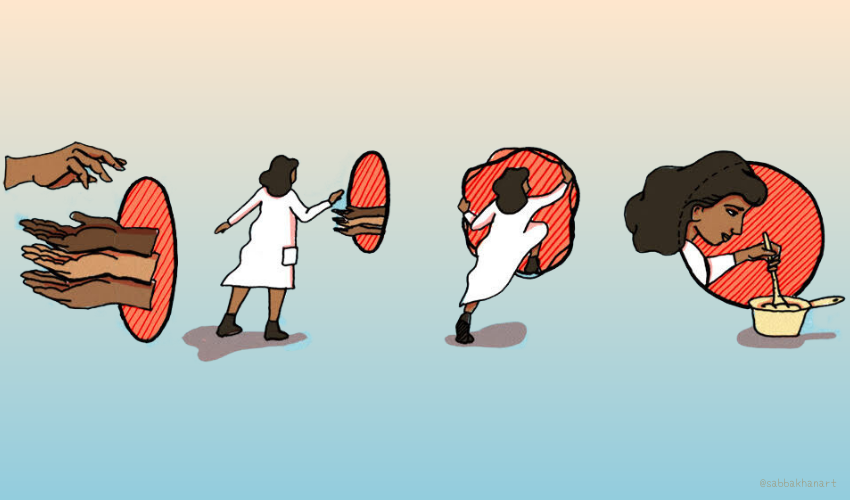
The work of imagination opens up possibilities to transform our society – to redesign and remake the world together.
When it feels like the world is suspended in a state of permacrisis, community is the root that grounds us, giving us stability and hope. Not only does politicised somatics offer us an alternative pathway to reimagine our liberatory futures, but it also demands that we do it together. Like the seeds of a pomegranate, we nestle tightly against one another, connected by the white membrane that threads us together as one.
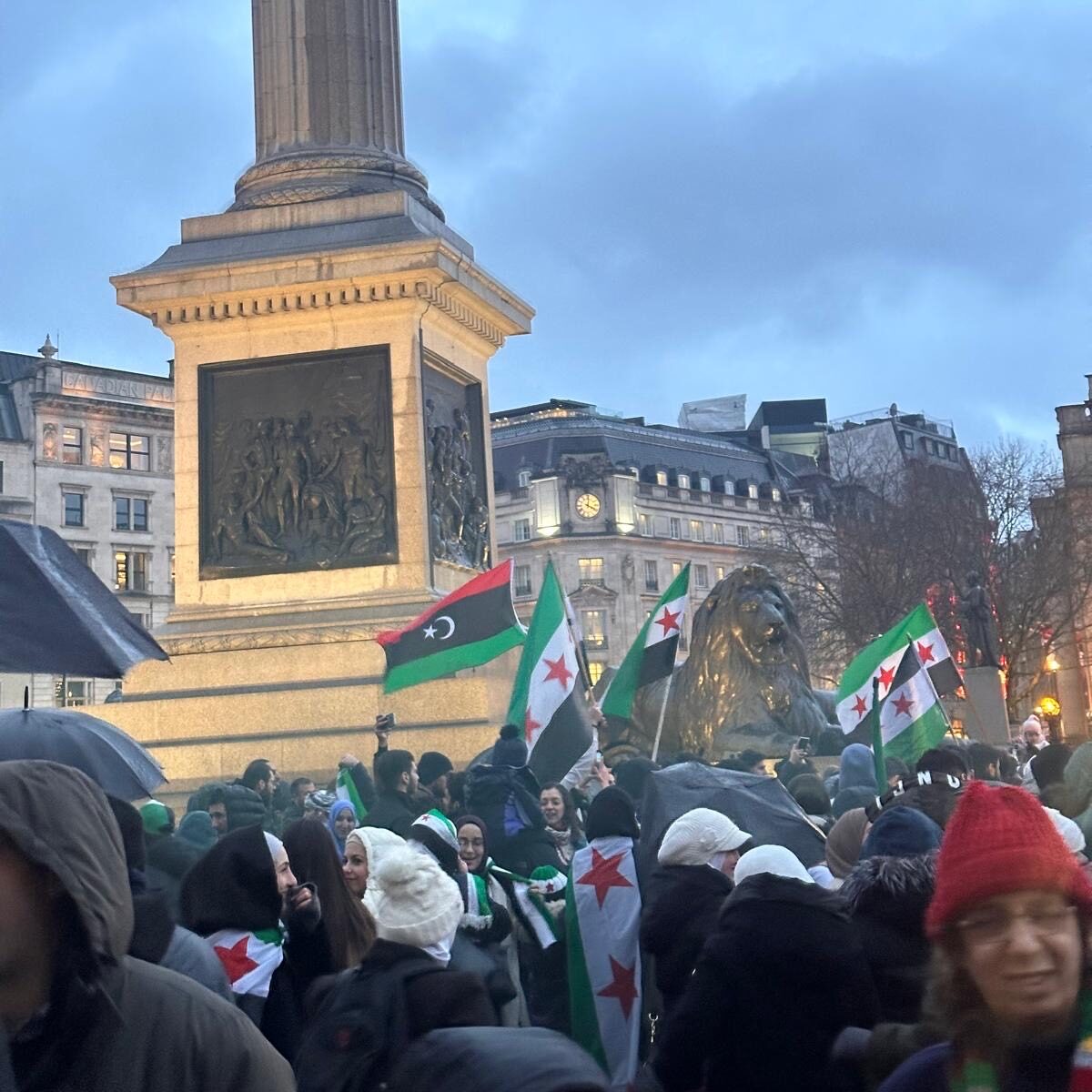
Movement medicine practitioner-in-training dr dima mekdad explores how somatic practice illuminated and complicated her embodied experience navigating the liberation of Syria.
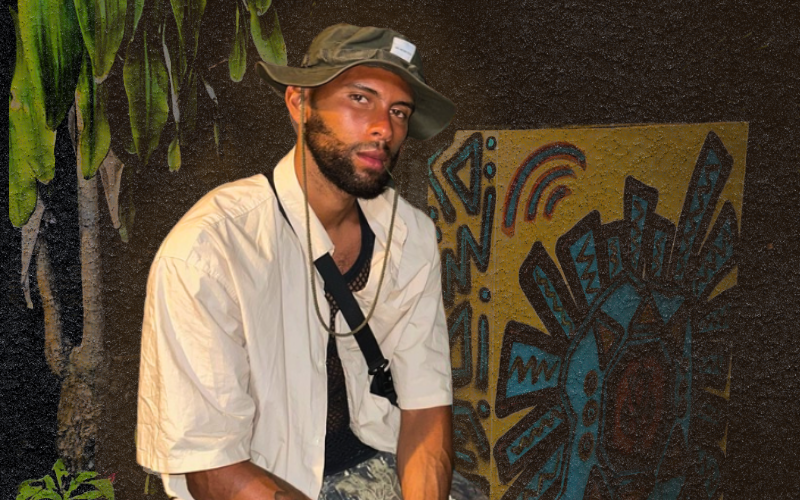
“I’m learning how it also starts from the self and how it is at the cellular level in which we create ripples and changes at a more macro scale. Innerstanding that being in the body, as a site of transformation, simultaneous effects broader structures. So much of the time we are understanding oppression by intellectualising it.”

A look back at the 2023 festival which asked ‘how can we dismantle the structures that keep breakdown a reality and build community-based structures of care, health and healing in their place?’