The Violence of Liberal Racism: What Palestine Reveals About British Mental Health Care
The Violence of Liberal Racism: What Palestine Reveals About British Mental Health Care is a new report examining what the genocide in Palestine has revealed about the racist logics of British mental healthcare. It does so by exploring the experiences of those who have been managed, silenced or disciplined for Palestine solidarity.
Sharing the sensitive and underrepresented stories, and exposing the underlying politics and bureaucracy, that demonstrate racism’s presence inside our health care institutions, training spaces and the therapy room.
Dr Tarek Younis
09/02/2026
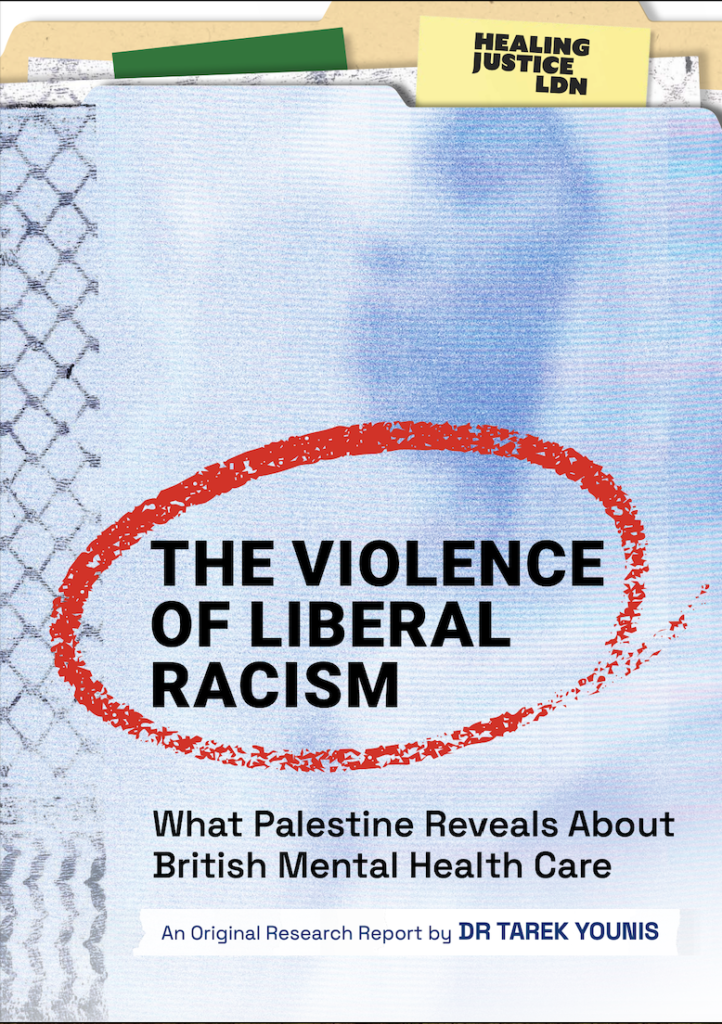
Design: Sabba Khan & Beth Robb
The politics of violence and healing are inseparable. We interviewed 30 practitioners and trainees in British mental health care who self-censored or were disciplined for Palestine solidarity.
“I shouldn’t have to be that cautious in my approach and to humanise people experiencing a genocide comes with that level of risk in this day and age and within the NHS”
This detailed examination of the ways Palestine erasure is legitimised in British mental health care is based on narrative-based and community-grounded qualitative research.
Executive Summary
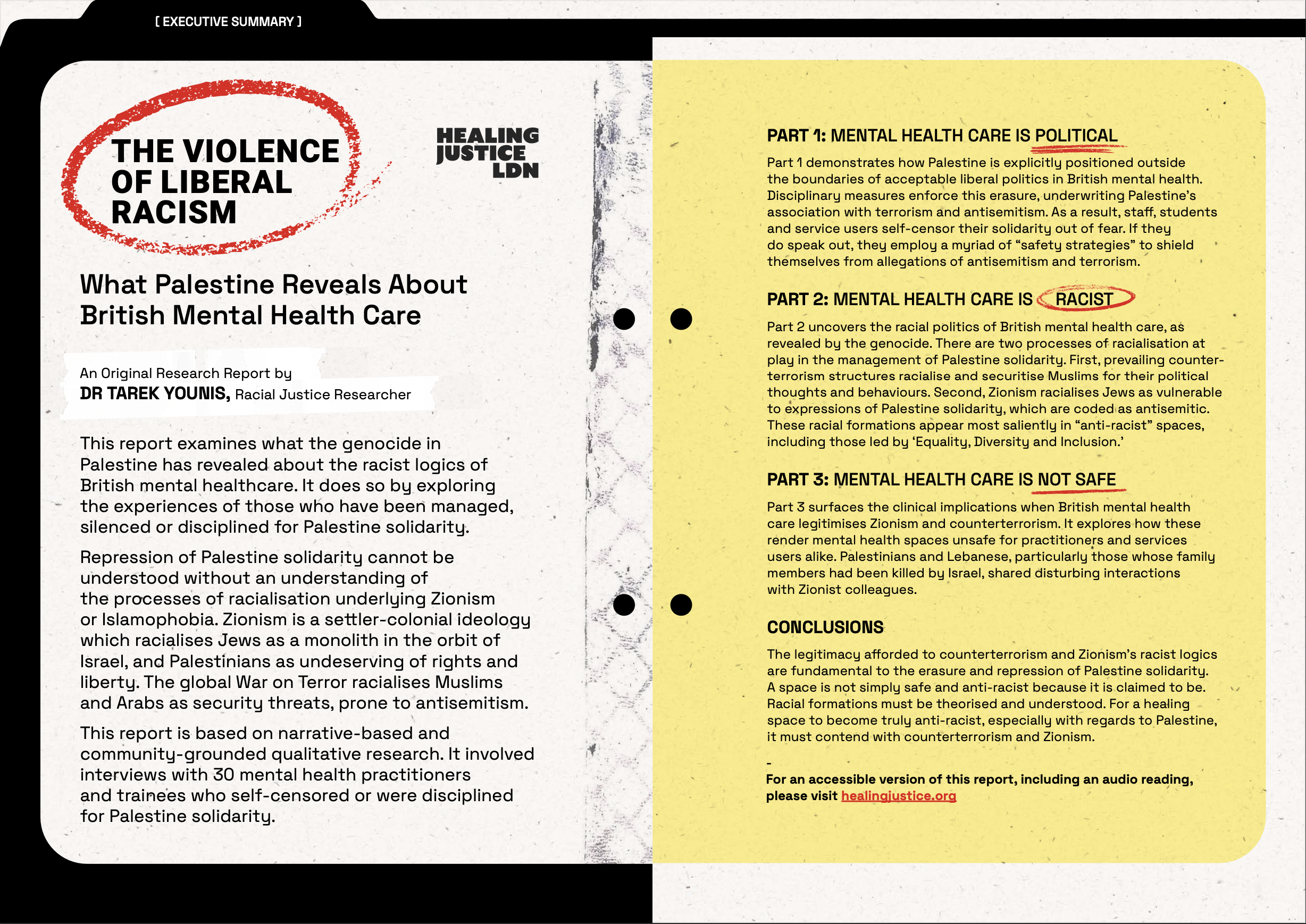
Launch event: The Myth of Anti-Racism in British Mental Health Care
Watch the recording of the report launch event (July 2025). Hear from the project lead, Racial Justice Researcher Dr. Tarek Younis, as well as Layla & Maya – two mental health professionals who have been disciplined for their Palestinian solidarity.
As we co-create a future with life-affirming health infrastructures, it is our responsibility to witness the harms in our existing systems.
Related
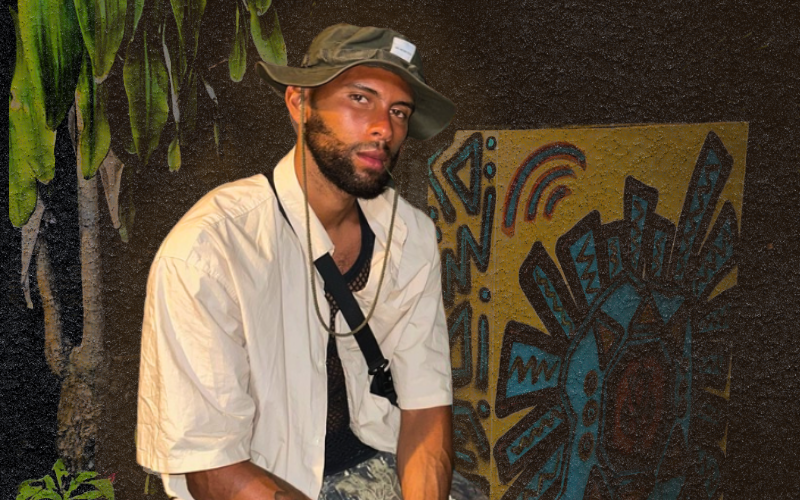
Inside Movement Medicine: Meet Macole
“I’m learning how it also starts from the self and how it is at the cellular level in which we create ripples and changes at a more macro scale. Innerstanding that being in the body, as a site of transformation, simultaneous effects broader structures. So much of the time we are understanding oppression by intellectualising it.”
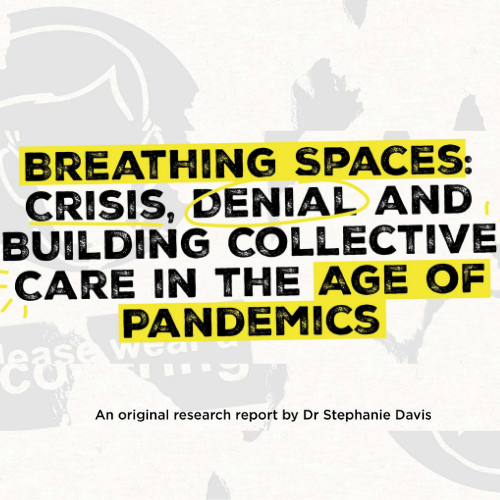
Breathing Spaces: Crisis, Denial, and Building Collective Care in the Age of Pandemics
This report reflects on the Covid-19 pandemic, the denial of its ongoingness and how folks who are positioned as most vulnerable to the virus continue to organise to collectively respond to the current moment.

Dear Comrade…
One of the strengths of our movements for liberation is in turning towards the trouble, not away. A letter drawing on a transformative justice lens to resist polarisation.

Unlearning Leadership
Exploring how models of leadership could be reconceptualised from a decolonial perspective.
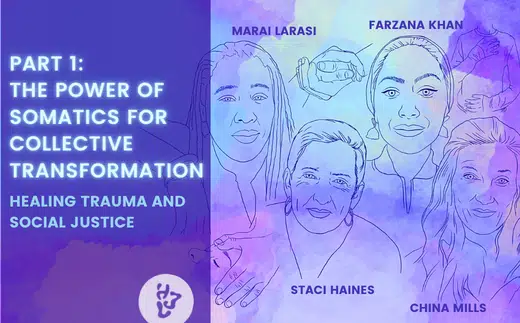
The Power of Somatics for Collective Transformation
A discussion about the need and potential of somatics in our social justice movements.
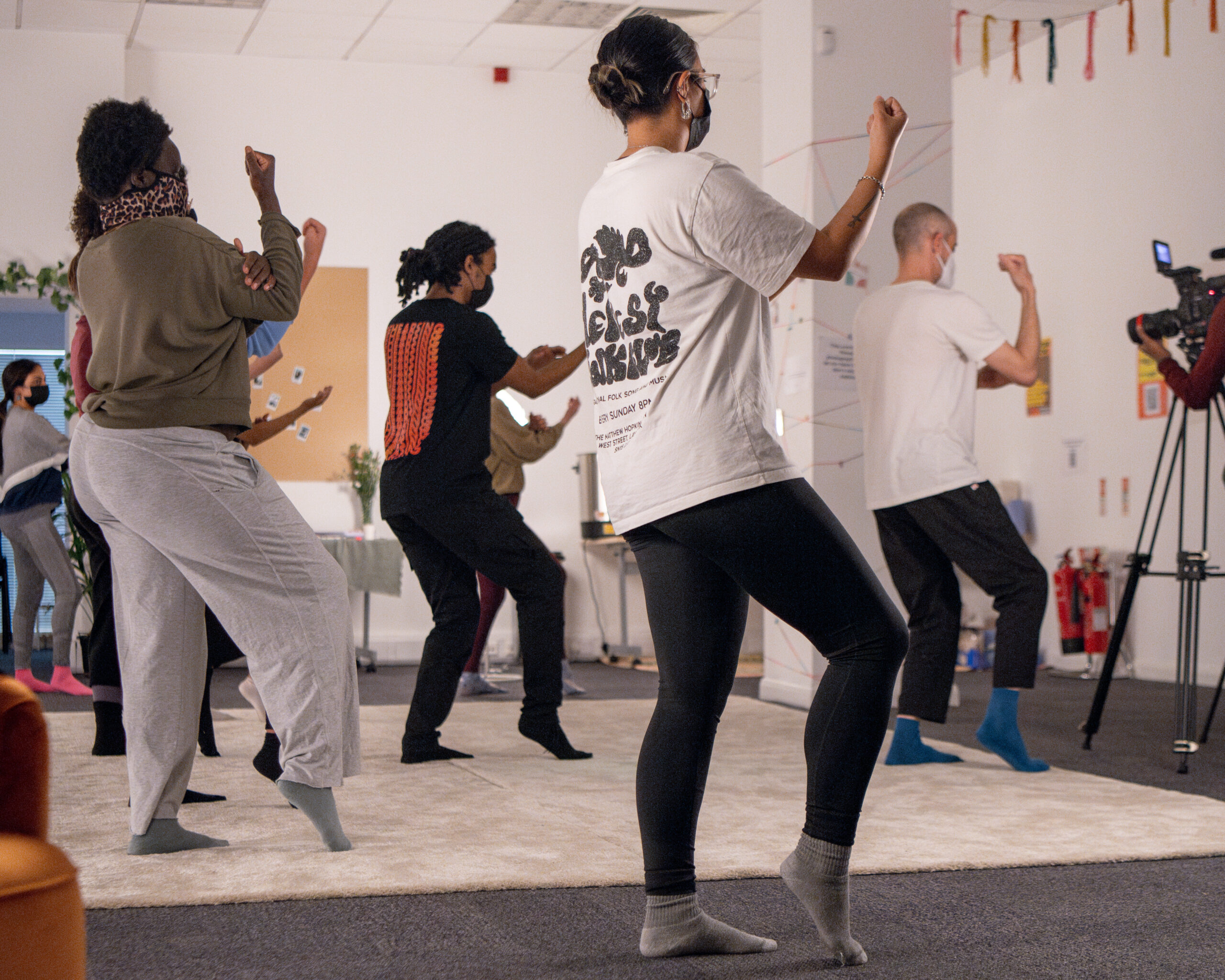
Making Space for Embodied Rage in our Healing
A space for racialised/global majority people to explore connections with rage through embodied practice.

From Personal Pain to Collective Power
Exploring personal healing and movement building through hip hop artist Lowkey’s music.

Life-affirming Infrastructures
Hear from individuals and organisations who are visioning and building radical infrastructures across London and beyond.
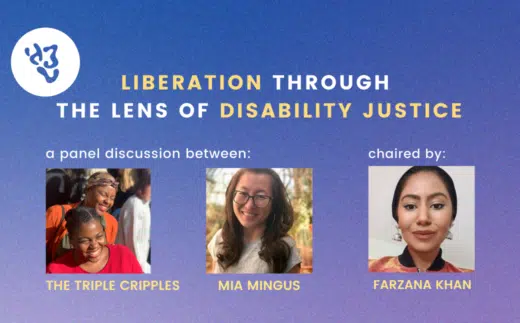
Liberation Through the Lens of Disability Justice
Discussing disability justice and its relationship to racial justice, abolition and liberation.