Research at HJL directly contributes to the organisation’s long-term strategy and vision by fostering personal, collective, and structural transformation. Our research is life-affirming, participatory, and collaborative, ensuring that it centres the voices of those most marginalised by systemic violence. This commitment aligns with HJL’s broader mission of collective liberation, which seeks to dismantle oppressive systems and build more radical alternatives. By documenting harms and proposing solutions grounded in lived experiences, research becomes a vehicle for advancing HJL’s goals of reimagining care, transforming social structures, and building community-led justice frameworks and infrastructure.
Our research at HJL is grounded in a commitment to nurturing diverse experiences, movements, and knowledge traditions, with the aim of supporting personal, collective, and structural transformation. We centre our work on life-affirming, participatory, and collaborative methods, ensuring that research affirms each participant’s existence and dignity.
Core values of our research include:
Research at HJL is, ultimately, in service to movements for collective liberation. Our work builds collective power, supports the agency of marginalised peoples, and contributes to the long-term vision of structural change.
As a research team we honour and are guided by the following lineages:
We are guided by these lineages, and from these we have developed our research values which underpin our work.
Since 2021, Deaths by Welfare has been using the process of documenting evidence of welfare state violence to build cross-movement solidarity through connecting people with lived experience of, and families bereaved by, different but connected forms of state violence.
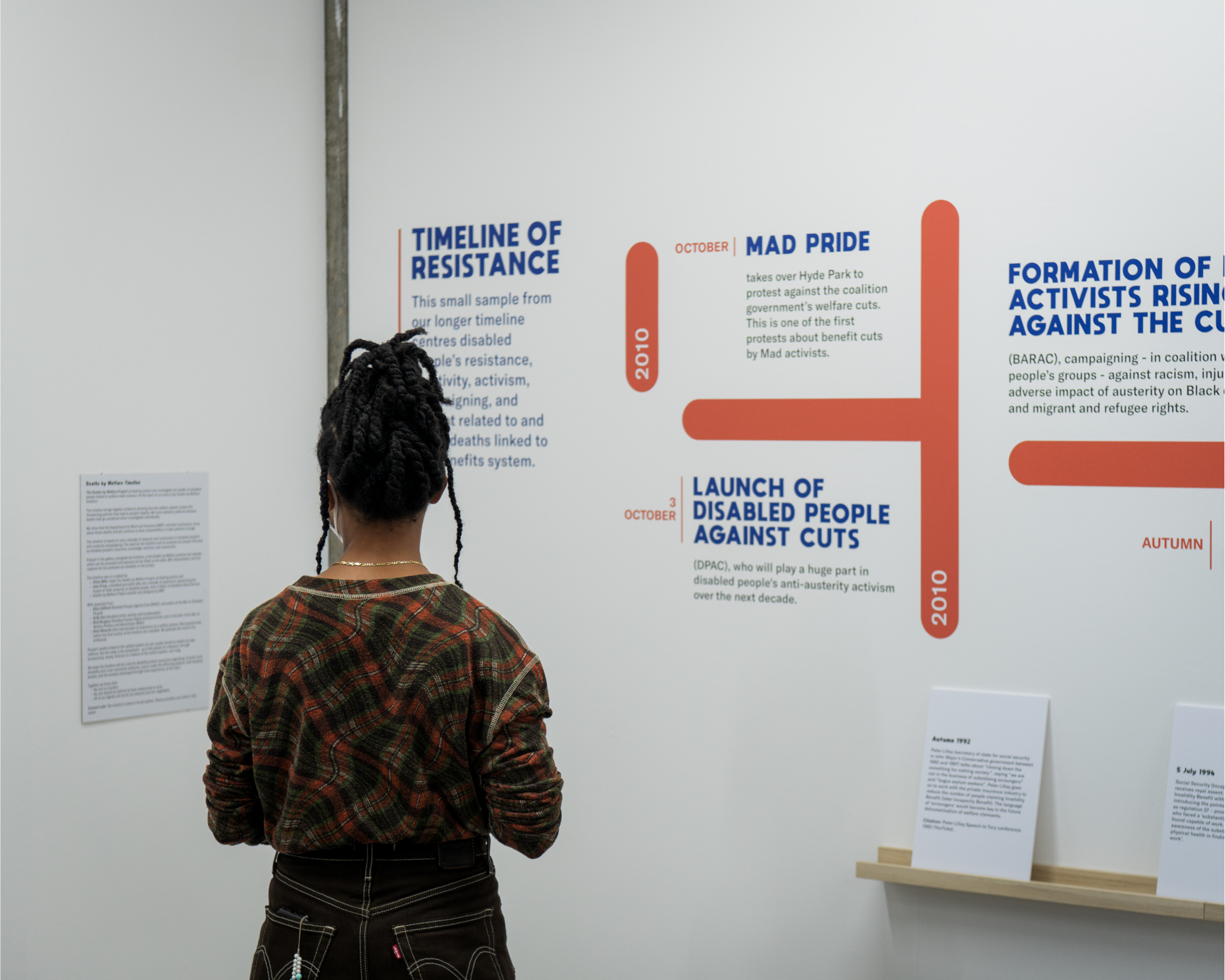
At the heart of the work, is a timeline – a living document which aims to make visible the slow and bureaucratic violence of the State. By piecing together evidence (often publicly available but well hidden), of dispersed harms and people’s deaths, we identify patterns and strategies used over time by the UK welfare system to deny accountability for people’s deaths. This is also a timeline alive with resistance – showing creative and relentless forms of resistance from disabled people, allies and bereaved families in fighting for justice. It is deeply informed by disabled people’s expertise, knowledge, activism, and movements.
The timeline was co-created with John Pring, a disabled journalist with over a decade of experience researching the impact of state austerity on disabled people. John is Editor of Disability News Service.
We worked with Access Power Visibility collective and Door in the Wall Arts Access to create an accessible website to navigate the timeline.
To dive deeper into people’s lived experiences of the welfare system, and how these connect to other forms of state violence, we produced a podcast series available here.
Breathing Spaces: Conspiring for Health Justice in an Age of Climate Change and Pandemics
This is a participatory action research project that explores how we build capacity and infrastructure within our movements and communities for the present and future of climate change and the long age of pandemics. It also seeks to think through emergent ways of thinking and being in the world – reanimating our relationships with self, each other, land and spirit.
This research project seeks to intervene in and conspire to disrupt the coloniality of current responses to the ongoing Covid-19 pandemic and climate change which disproportionately impacts global majority and disabled folks. It seeks to challenge eugenicist, ableist, human-centric logics of normative (dis)order and increasing precarity, disability and death. It asks what we need to build, prototype and organise for the age of climate crisis, Covid and future pandemics and to birth anti-colonial ways of being, knowing and power.
Palestine Project: Liberal Forms of Racism in Mental Health Settings
This project investigates how the genocide in Palestine reveals the more subtle, liberal forms of racism within mental health services. By conducting interviews and engaging in policy research, we aim to uncover the liberal acceptability of racism embedded in these settings, often under the guise of care and support. This research is vital to challenging liberal racist practices, the most insidious form of racism in mental health institutions..
Mapping Project: Policing and Security in Healthcare
This mapping project examines the ways in which policing and security practices are embedded within healthcare systems. It will result in a dynamic, open-source website that visualises these connections and provides a resource for those looking to understand how healthcare—intended as a space for healing—can often function as a site of control, surveillance, and harm, particularly for racialised and minoritised communities. By making this research accessible, we aim to support movements advocating for the removal of policing and security from places of healing.
Exploring the Impact of Policing and Security on Communities
This project explores the impact of policing and security on marginalised communities. Through building networks, hosting conferences, and facilitating knowledge exchange, we interrogate the role of policing from a framework of care. The project prioritises lived experience, ensuring that the voices and knowledge of those most affected by state surveillance and policing are at the forefront.
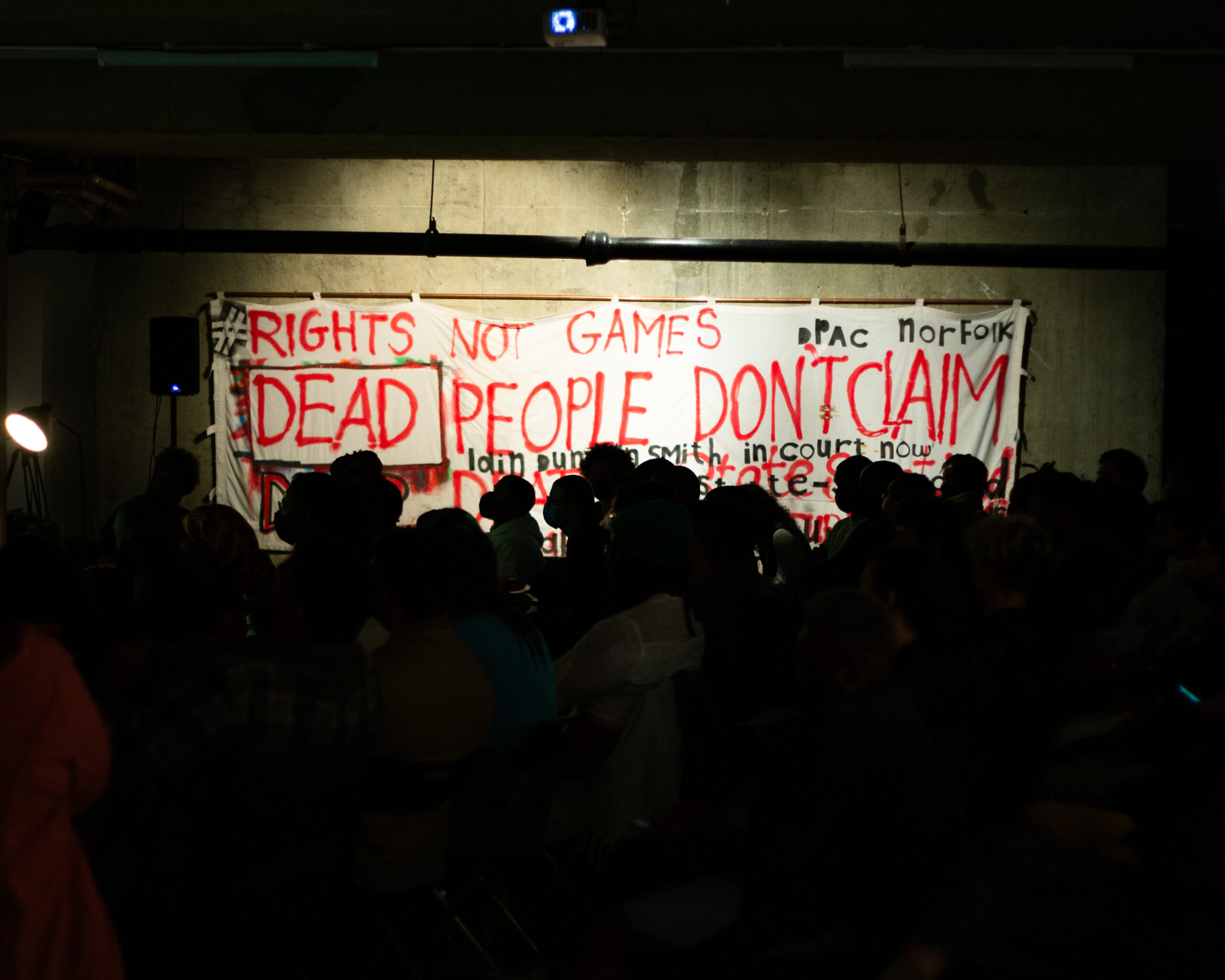
Explore the the Deaths by Welfare Project timeline, podcasts, resources, and videos. Together we are transforming our understanding of welfare state violence.
Tools for taking care of yourself after one of our workshops or events.
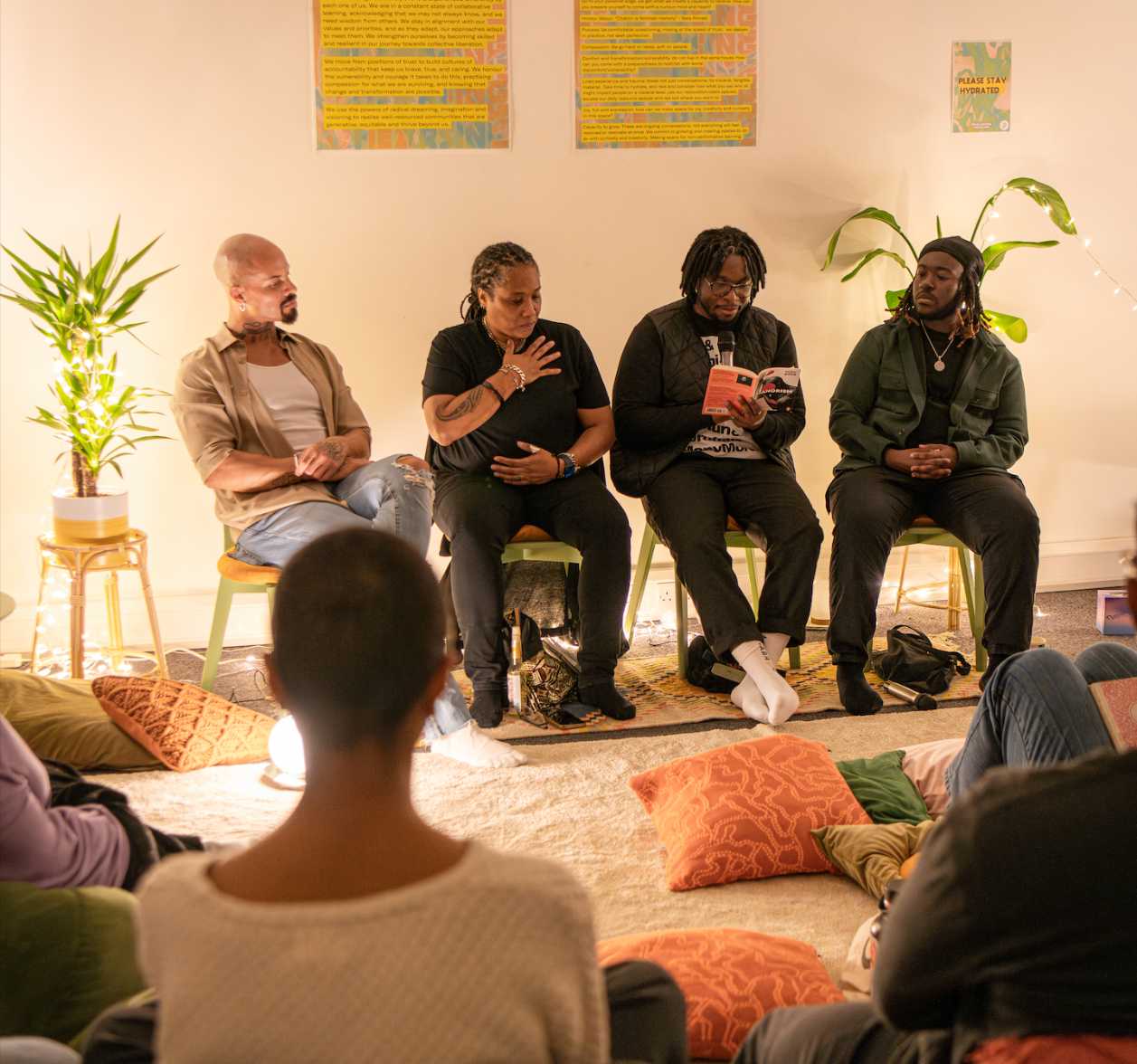
Exploring the conditions and contexts that shape how we build and organise within social movements. We are ready.
Researching Palestine as an anti-Zionist academic and mental health practitioner situated in the Global North
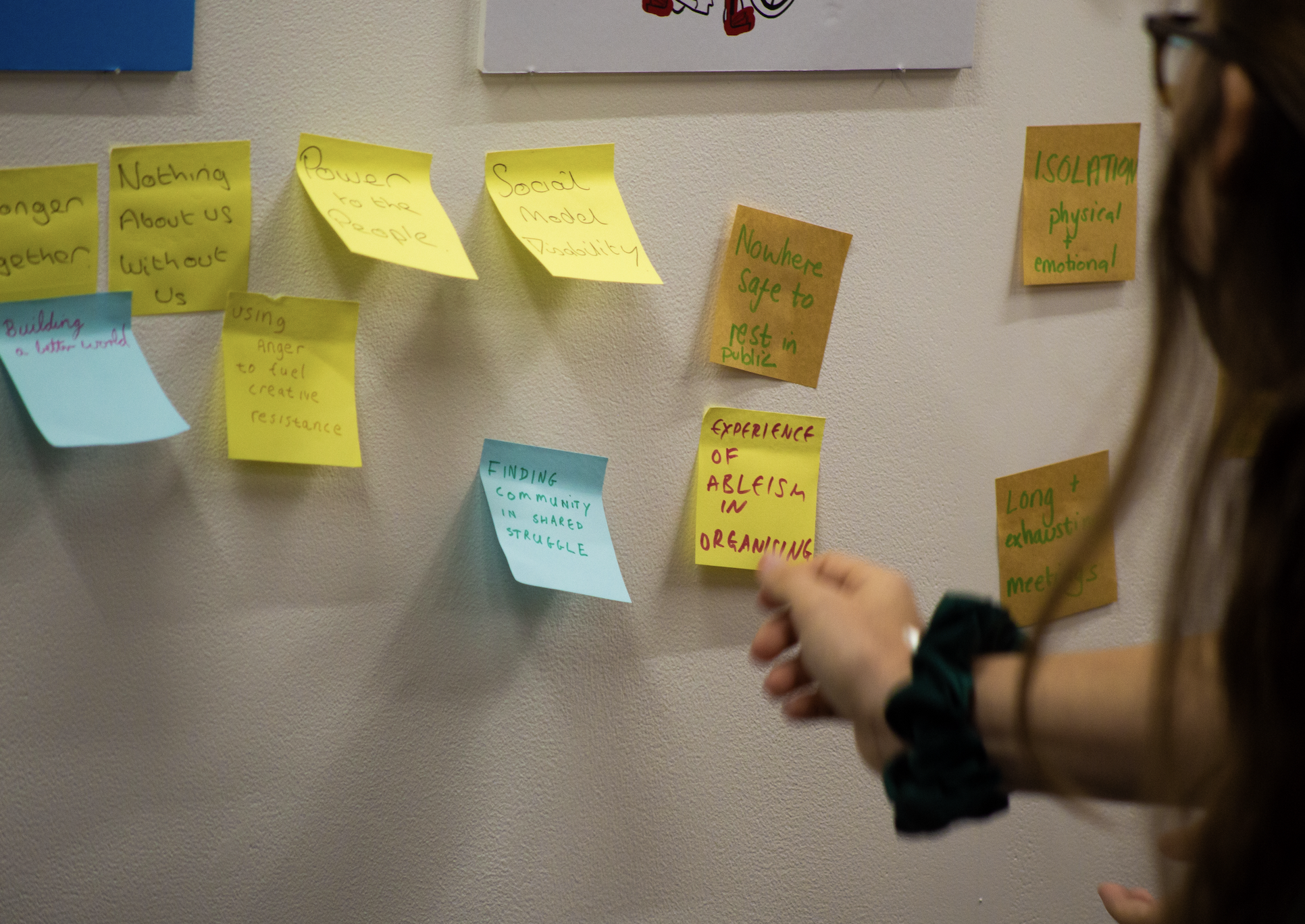
Together we imagine what research ethics could look like if it was accountable to communities and movements and practise ethical research differently