Communications as a Site of Transformation
We see how, what, and why we tell stories as foundational practices for transformation. Communications at HJL is about more than increasing our reach. Many health and healing modalities are passed down to us through oral histories, family, cultural, and community traditions. Communications and storytelling within and outside of our communities often has material health outcomes. Our communications strategies reverently hold the stories shared with and through us and leverage organisational storytelling towards building collective understanding of what it means for us to be well.
Our strategy breaks down in three strands (though there is frequent and inevitable crossover):
Narrative Change
Shifting understandings and narratives of health and healing are mission critical for HJL. We have identified three key methods of transforming narratives that deeply align with our commitment to embodied social change, somatics, and abolition.
- Community education and collective analysis — working in cycles, enabling exploration without forced resolutions, practising consensual and conditions-informed storytelling
- Opportunities to evolve and practise together — being in multiple/simultaneous rehearsals of liberated futures, thinking out loud and unresolved, increasing our tolerance for complexity
- Community testimony and personal storytelling — deep emphasis on documentation, knowledge production, and lived experience

Each of these activities lead to and support each other – serving as a flywheel to accelerate impact – building narrative power, seeding counter-narratives, and developing meaning making practices.
Following a period of research and exploration within movements, we are developing a curriculum to support embodied communications leadership and anti-oppressive practices within movement communications.
Community Communications
Our community communications strategy leverages social media, direct contact, events communications and DM channels towards the quality of connection we hope to build. Through these channels, we work to foster a two way conversation, monitoring and responding to external factors (both beneficial and challenging) to our overall organisational strategy.
This involves taking note of relevant tone/mood, trends, patterns, risks and issues — utilising knowledge gained through two way exchange; making reference to our narrative change strategy; and (where appropriate) utilising a lived experience lens in order to inform our output of education, analysis, practice and testimony for narrative building.
The community comms function also serves as part of sharing, documenting and archiving our work, highlighting opportunities for engagement, support and contribution as well as publicly evidencing impact and offering transparency/accountability around what we are doing and why. We are able to build relational organisational/movement infrastructure, nurturing digital connections with organisational partners, peers and our wider community that deepen understanding/socialisation and ecosystem of HJL’s work.
In Practice
Often social justice storytelling is anchored in defence, resistance, and short-termism by the very nature of the interlocking systems of oppression we are attempting to unmake. We are often defined by the oppressions we experience and denied access to the wholeness of ourselves and our stories.
In line with our abolitionist approach, we see our editorial space, In Practice, as a means of reclaiming the technologies of creativity and communications from those who would steal our time and energies — to make creative space for vision, imagination, oral histories, pencil work, and the transcendent potentials of our movements.
Our comms strategies are deeply informed by the works of Aurora Levins Morales, Malkia Devich Cyril, Makani Themba, Staci K Haines, Stuart Hall, Octavia Butler, adrienne maree brown, Shanelle Matthews, Rashad Robinson, Bridgit Antoinette Evans, Annie Neimand, ReFrame and many more.
Resources
Related
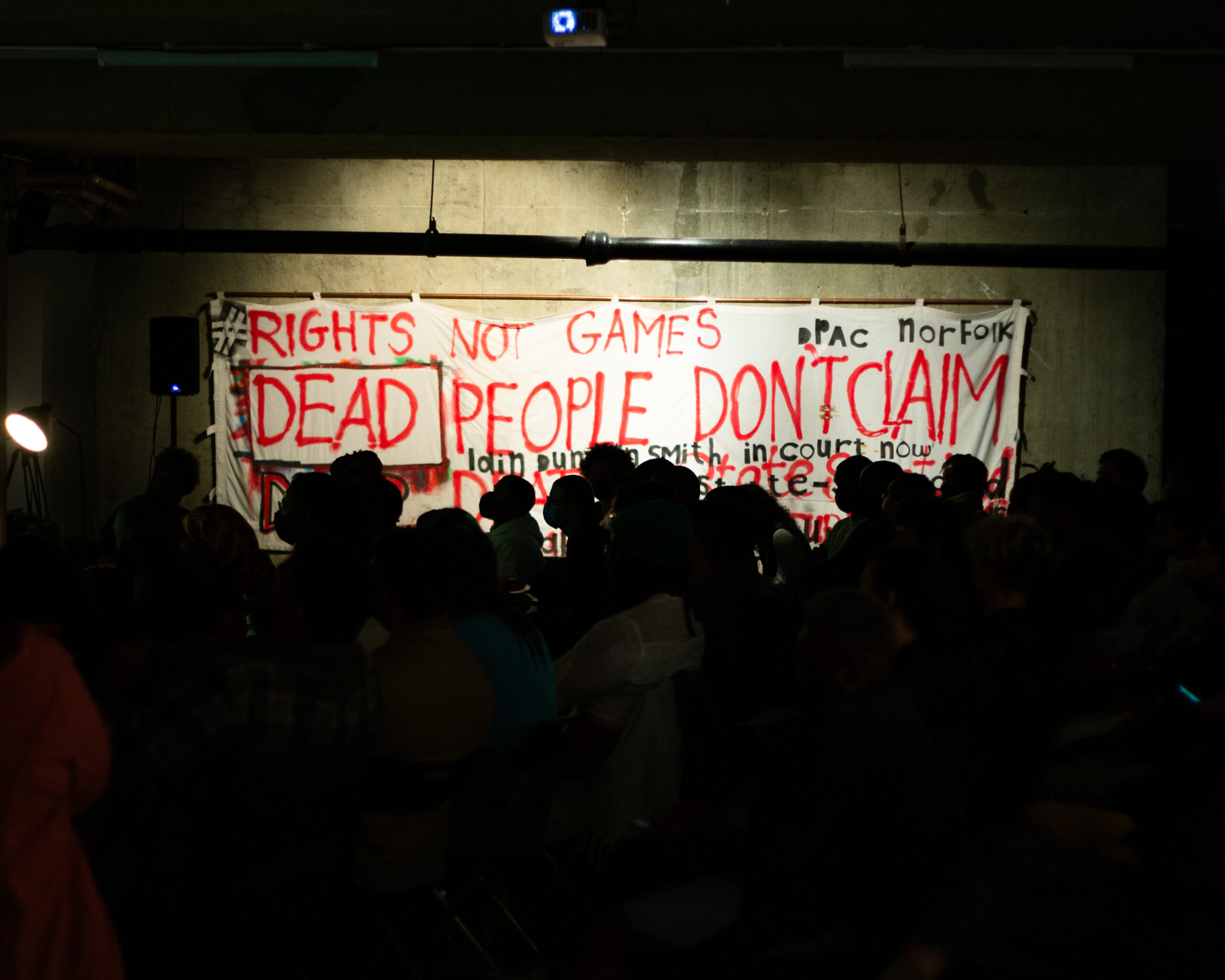
Deaths by Welfare
Explore the the Deaths by Welfare Project timeline, podcasts, resources, and videos. Together we are transforming our understanding of welfare state violence.
The Power of Somatics for Collective Transformation
A discussion about the need and potential of somatics in our social justice movements.
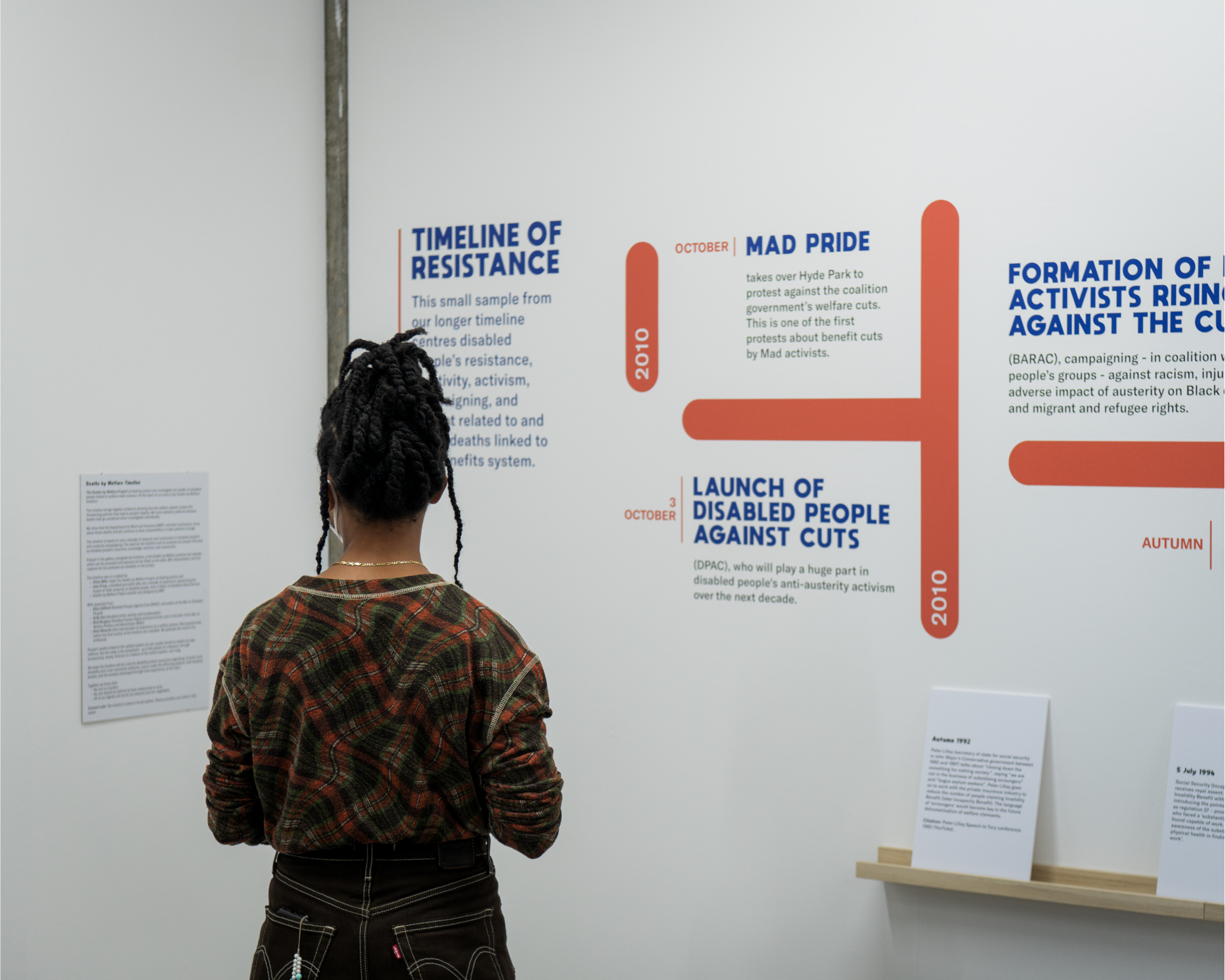
Life-Affirming Research at HJL
Exploring the role of research in building life-affirming, participatory, and collaborative visions of community-led health.