Beyond Pills: Mapping Community Care through Memorabilia
By Divya Mahatme
Care is often framed as an unquestioned good—an act of love, responsibility, and protection. But what happens when care is dictated by systems designed to control? When the language of safety is weaponized to strip autonomy?
Beyond Pills: Mapping Community Care through Memorabilia began as an exploration of the shift from psychiatric supervision to community care. But since then, the project has expanded to capture something far more complex: the contradictions, tensions, and quiet negotiations that define care outside institutional walls.
Community is often imagined as a radical alternative to psychiatric intervention, a space where support replaces coercion. Yet, sanist beliefs are deeply embedded in how we relate to one another, shaping the ways care is given, received, and controlled. The images in this essay trace the fragile balance between personal autonomy and collective caregiving—revealing how care, when entangled with medicalized fear, can become both an offering and a restraint.
The Birth of the Medicine Organizer

Before a renewed bout of psychiatric supervision, I managed my meds—recognizing each strip, knowing each name. Then came the organizer. It wasn’t just a box; it was a shift in power. My autonomy was transferred to a “reliable” caregiver, reinforcing the idea that I was incapable of managing my own care.
Coping or Self-Medication?
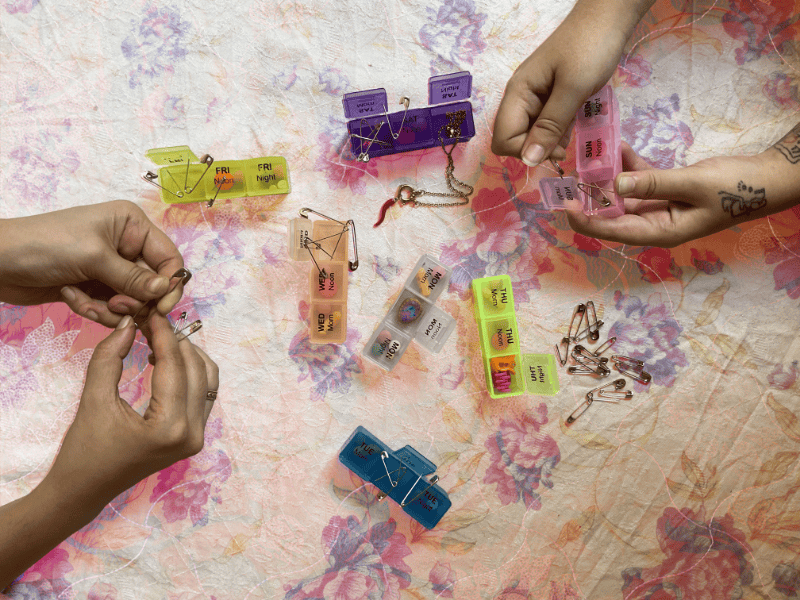
The psychiatric system dictates which coping mechanisms are valid and which are seen as reckless or dangerous. Caregivers are often labeled “complicit” or “enabling” if they allow mad people to engage in self-medicating strategies outside of sanctioned psychiatric treatment. The concerns and anxieties of a well-meaning community are weaponized—shaming them into conformity, often in ways that align with capitalist ideals of productivity.
New Age Opium of the Masses
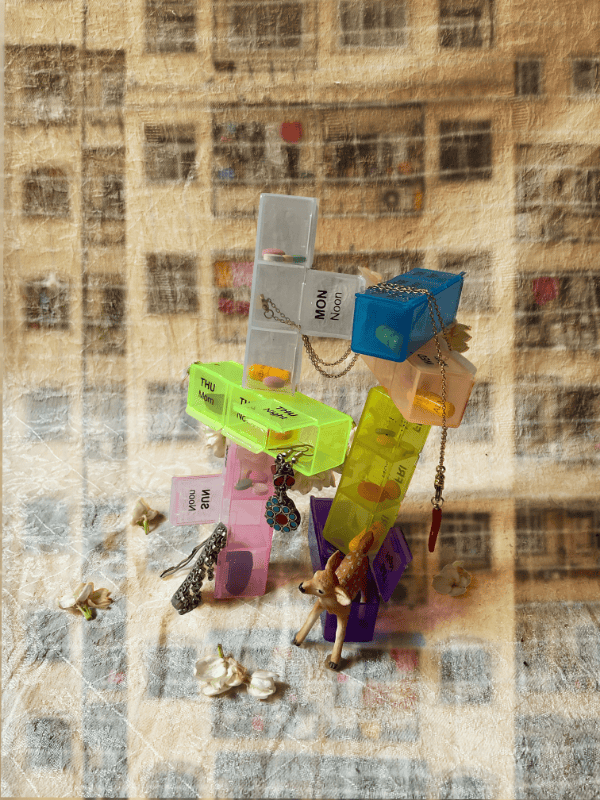
Psychiatric meds dull my emotions, leaving me empty, unfocused, and disconnected from my community. The numbing makes it hard to keep commitments, spend time with others, or truly bond with friends. Yet, paradoxically, the same dulling effect makes daily life more tolerable—allowing me to do chores, be productive, and even care for others. But who truly benefits from sedating distress and human suffering in the name of “functionality”? Is sadness and madness something to be stifled, or is it a call for revolution?
Controlling Care
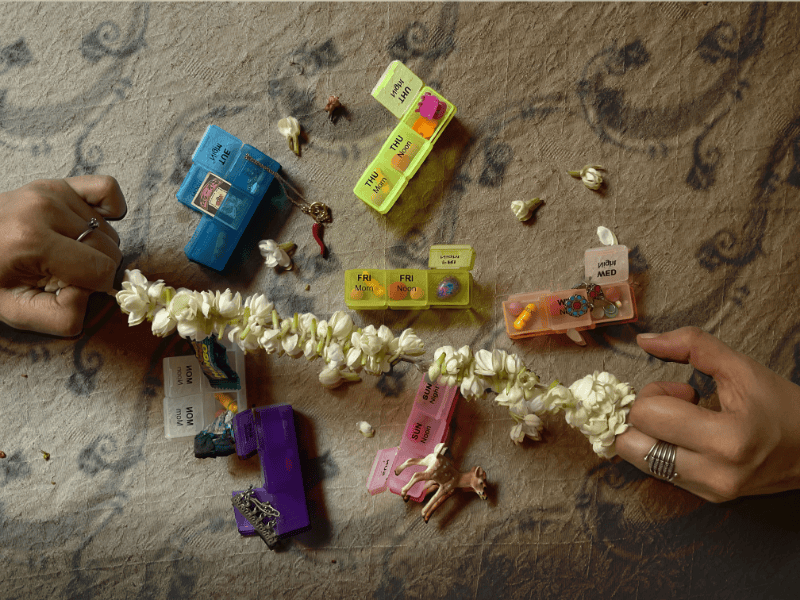
When Piku (my sister) left town, she hesitated to hand me my meds. Not because she didn’t trust me, but because she was expected not to. Care becomes control, autonomy becomes a risk. Trust is negotiated through pills—who owns them, who doles them out, who gets to decide?
NOTE: Gajras are flower garlands made of different flowers, most popularly mogra flower in South Asia. These garlands are often used for hair adornment. There is a long history of friends and lovers coming back home with gajras for their loved ones which is even memorialized by films and songs. This gesture is associated with love, romance and camaraderie. Thus, gajras are used in the photo essay to evoke similar emotions and symbolize caregiving and community.
Caregivers: Solidarity/Surveillance
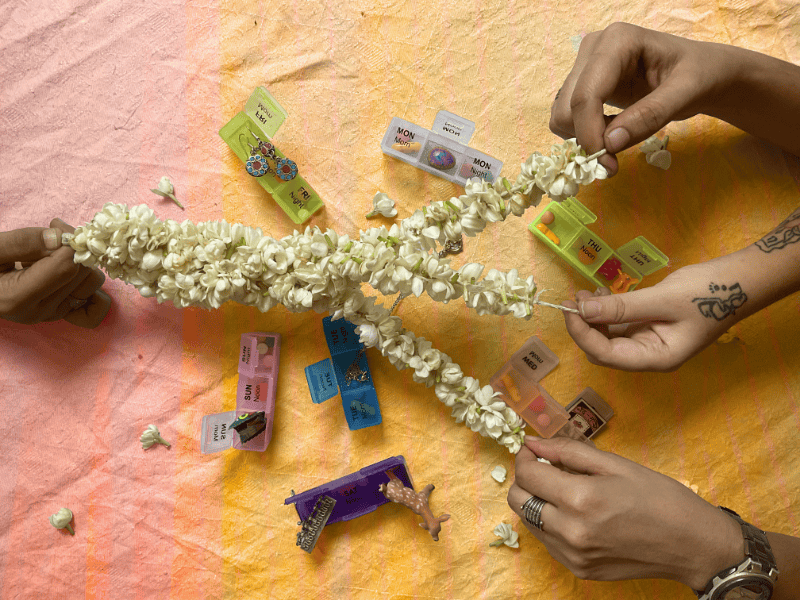
What began as brief check-ins between caregivers during the psychiatric intervention evolved into deeper bonds—caregivers supporting not just the mad person, but also each other. At times, this camaraderie felt heartwarming, fostering a network of shared understanding. But at other times, its origins triggered suspicion: Were they discussing me behind my back? Were they making decisions about my care without me? The same relationships that provided comfort also became sources of unease, underscoring the complexities of community caregiving mediated by medicalized supervision.
In a world where psychiatric institutions have long dictated the terms of madness and recovery, community is often seen as a refuge. But community, too, is shaped by the very systems it seeks to resist. Well-intentioned caregivers become reluctant gatekeepers, and trust is negotiated through pillboxes, whispered concerns, and unseen power struggles.
Through this photo essay I invite a deeper look into the quiet, everyday moments where love and control blur, where care is both a gift and a loss. Perhaps the real question is not just how we escape psychiatric harm, but how we unlearn sanist logic—so that care might one day mean freedom, rather than containment.
Related

A Juicy and Definitely Scientific Qualitative and Quantitative Comparison of Cure vs. Care
Poetry of care by Miriam Saperstein
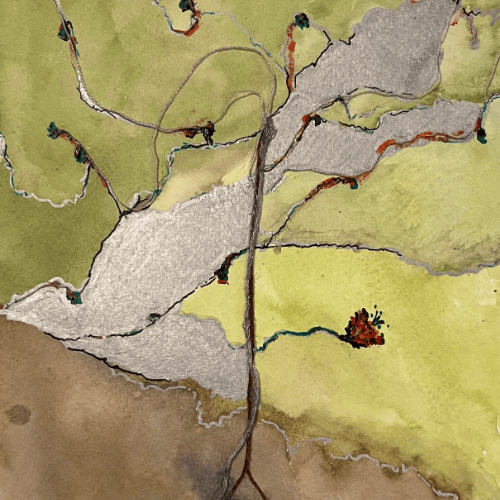
Invisible Gifts
A short story by H K Grafton, with imagery by Gigi Lazy
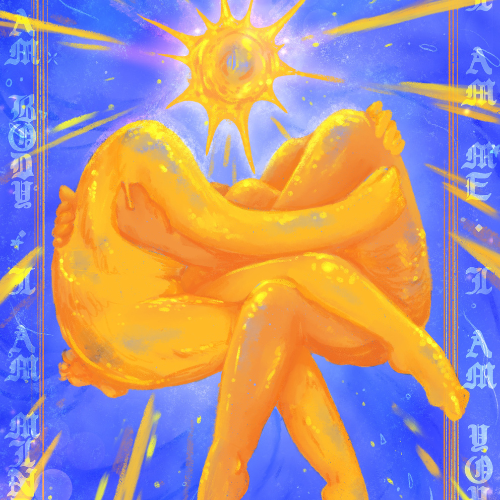
Allself
Digital illustration by Hash Kankanamge/Softpunk exploring whether the spiritual components of transition healthcare are interlinked

Community grieving in the endz
Sara Bafo shares her reflections on grief and healing in the endz
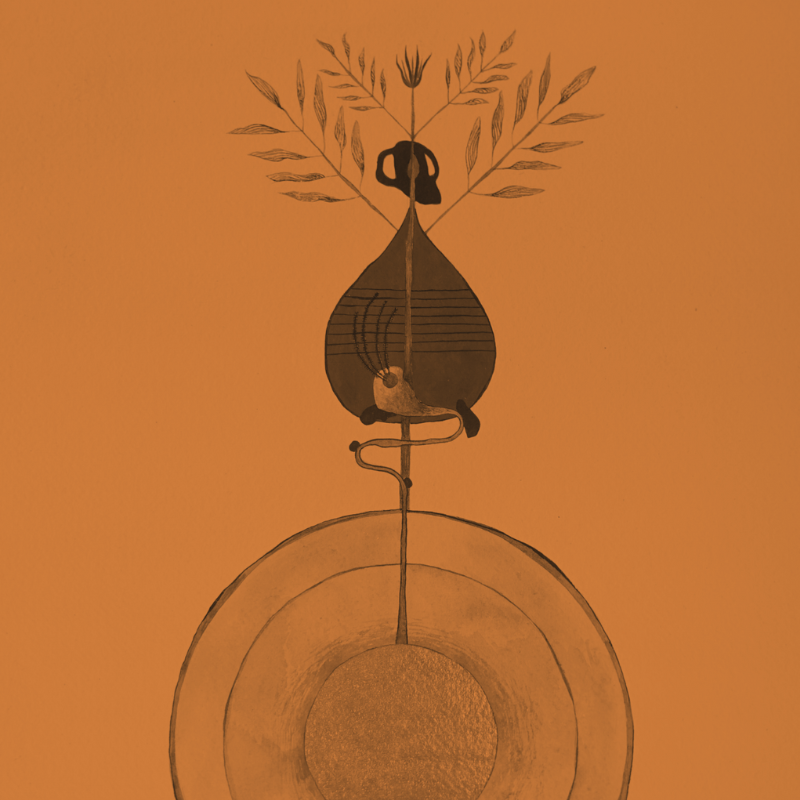
Maramiya
A painting of a Palestinian plant by Aisha Noble
Convalescence
Poetry and free writing exploration of convalescence by Saskia Horton
it’s ok, you’re ok

The Light Between the Shadows
A photo series of light and shadows taken during Dianna O’Shannon’s stay in a psychiatric unit
Intro to psych abolition
Stefanie Lyn Kaufman-Mthimkhulu and Thokoza Ndlondlo explore the theme of psychiatric abolition and Mad liberation
Ondas
A soundscape of healing and restoration after loss by Jasmine Kahlia
Somos fuego: Amulets from the Locus* project
Amulets made by participants of the Locus* art workshop with Nada Colectivo