No going back
At the beginning of the Covid-19 pandemic in 2020 there was hope that another world was possible – Covid violently illuminated the longstanding structural inequalities and violence of our society and it felt as though there was broader support than ever to reckon with this. We are in the sixth year of the Covid-19 pandemic, a continuing mass death and disabling event, and within the sea of grief, the virus has offered a mirror into the dysfunction and disorder of late-stage capitalism where many are consigned to lives of precarity, inequality and early death.
What could the story be if the future were shaped by Covid-safer organising and disability justice? How will future movements remember/learn from this moment?
HJL’s Health Justice Researcher Dr Stephanie Davis writes on the future of collective care, labour and organising in this short fiction piece.
Lizzy woke with a jolt, like she’d fallen from up high, into her bed. She’d had the strangest dream, like she was falling through a black velvet sky, with glittering stars. She’d felt turned around, upside down, back to front but as she awoke she’d felt a calmness settle over her – as if she was waking up… different. However, this feeling didn’t last long. As she shifted herself up in bed she shook her head, the sniffle that had been threatening to turn into a cold the last couple of days had indeed developed into a snotty, grottiness. She focused her eyes on her phone and realised she had slept through her alarm, ‘oh for fuck’s sake!’ Lizzy tried her best to race through getting ready for work but her body was so slow, her joints protesting, and that familiar burning in her thighs. She was anxious, cajoling her body – ‘come on’. She knew she needed rest, a dark room but the world had other ideas. Her mind whirred. She was late for work, and sick, again, she could imagine the look on her boss’ face. The calm she had awoken to had dispersed, fallen away.
As she locked her front door Lizzy took in the street, it looked strangely… lush, green, and at the corner there appeared to be some kind of garden, where last night it had just been a scruffy plot of gravel. Perplexed, Lizzy shook her head, closing the gate behind her when she heard Grace, the neighbour opposite, call to her ‘Lizzy, how are you doing?’
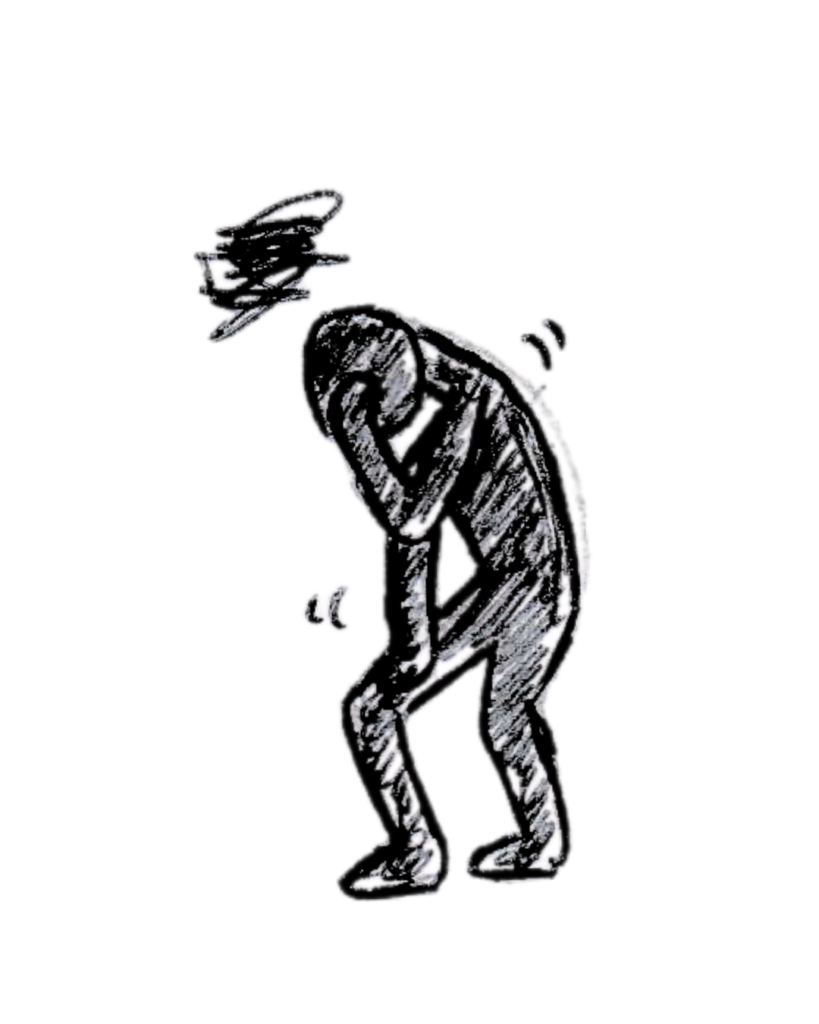
As she turned round Grace gasped, ‘oh gosh you don’t look well at all, are you off to the hub?’ Sighing she replied, ‘huh, the hub?? no, I’m off to work’. Grace looked concerned, ‘Going into work like that… why don’t you take a rest day?’ she offered. Lizzy chuckled, ‘A rest day! I’m sure my manager would love that!’.
As she took a few steps along the road Lizzy faltered slightly, her eyes stinging and her joints aching. Grace crossed over, and Lizzy noticed she’d slipped on a mask, ‘oh gosh, I haven’t seen anyone wearing one of them in years… it’s not you know, it’s just a cold’. At that Grace’s eyes narrowed and she looked confused.

She handed Lizzy a mask, and said ‘pop this on, I’m a bit concerned, can i just drop you off at the hub? It’s on my way, I don’t want to leave you like this’. Now it was Lizzy’s turn to be confused, she didn’t know what the hub was, all she knew was she’d taken enough sick leave already this year and she could imagine how her boss would sound on the phone if she called in sick again. She felt frustrated and anxious – people didn’t understand what it was like, she masked the pain and the fatigue as best she could, she’d been in trouble before, but getting ill again on top of it… she was so tired.
Grace was looking at her intently, and even through the face mask Lizzy could see Grace’s very real care and concern. Slightly moved by this, Lizzy softened, letting herself attune to the rising volume of her protesting body – that maybe she couldn’t, or shouldn’t power through despite the whirring anxieties of what her boss would think or what HR would say. She felt a wave of desire to rest, and an ache, the deepest longing for what she couldn’t say aloud, for care.
‘What’s the hub?’. Grace looked confused again, ‘the Collective Care Hub Lizzy, oh I’m really worried about you.’ Lizzy’s face was blank.
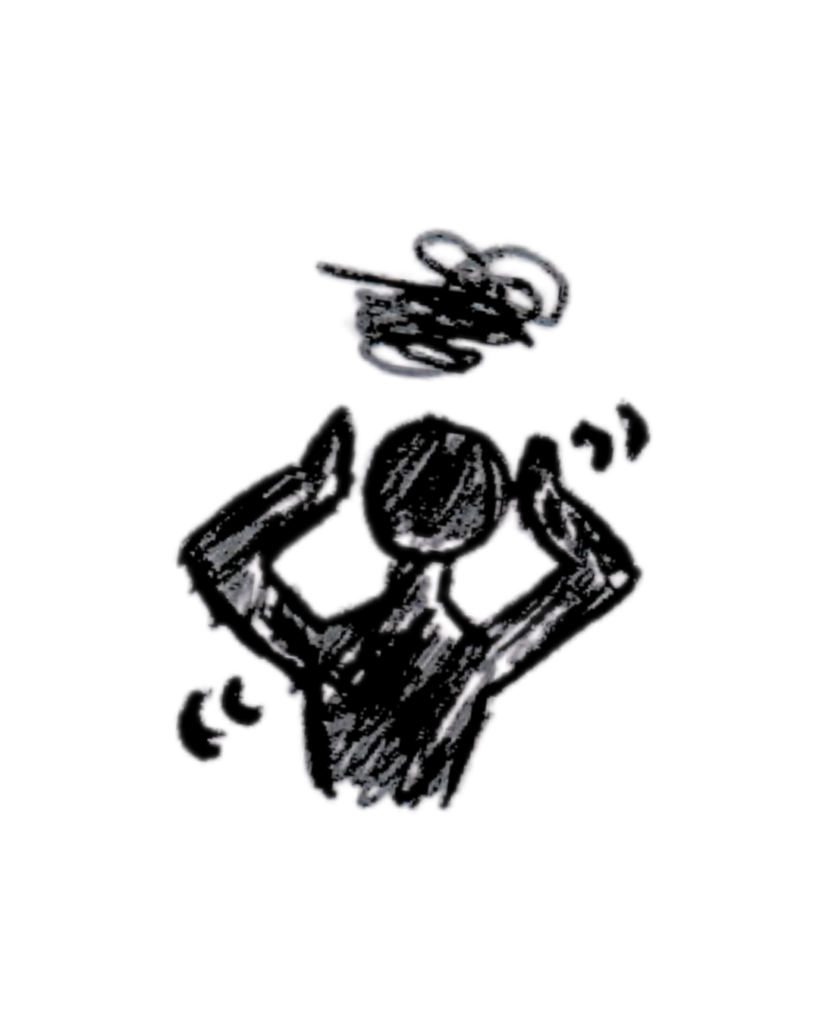
Grace directed Lizzy to her car and wound the windows down. As she drove towards the Hub Lizzy thanked her for her kindness and confided her anxieties.
‘But Lizzy, you know you don’t need to worry about all that… maybe you’re really ill, but you know, 2020 happened, we don’t think like that any more – we remembered we were human! We are all sick, ageing, disabled – our value isn’t our productivity!’
‘Well that’s a really nice sentiment, but no one really believes it. Especially my boss.’
At that, Grace nearly crashed into the car ahead. ‘What?! Lizzy, it’s like you’ve completely forgotten everything that’s happened over the last 6 years. I’m really worried!’ Grace’s face was now bright red, her voice cracked and sharply she said ‘What’s gotten into you?!’
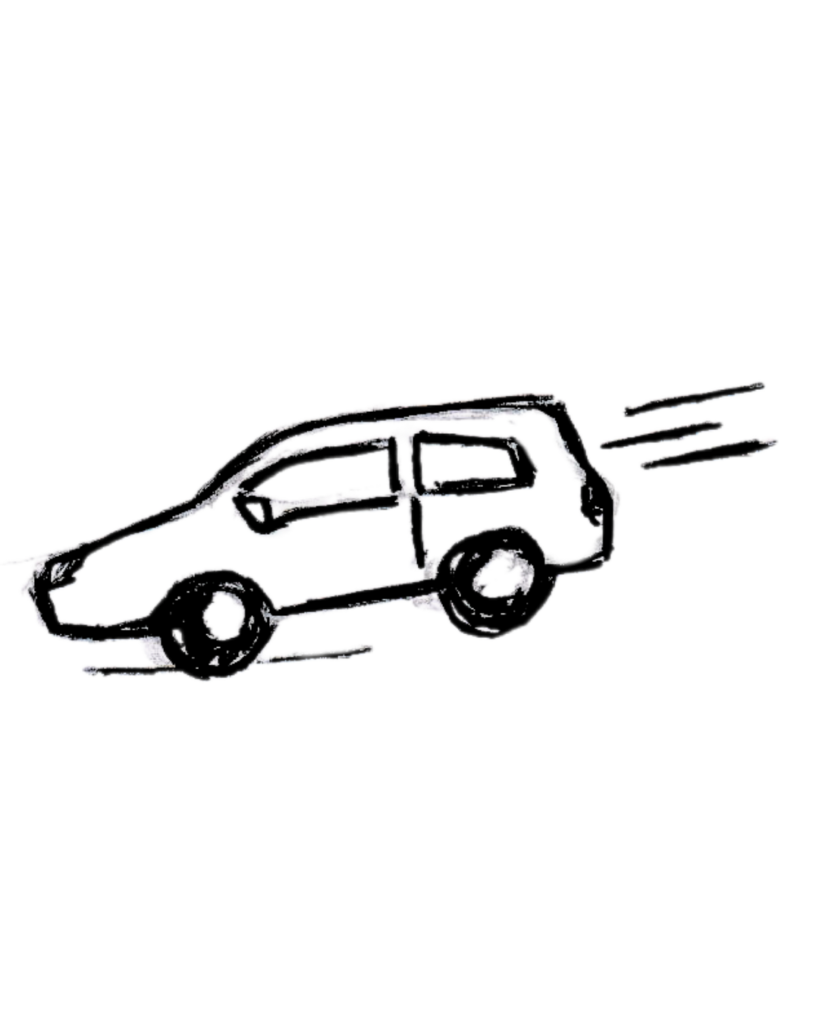
Lizzy felt a wave of dizziness, she didn’t understand…
Grace pulled up at what looked like an old community centre, it was unassuming, a little scruffy around the edges but there was a warm invitingness to it. As they got out of the car Lizzy looked up at the handpainted sign ‘the Collective Care Hub: All Care for All People’ and turned to Grace. Grace could see the questioning in her face.
‘We all built this together Lizzy, you included, we knew we couldn’t go back.’
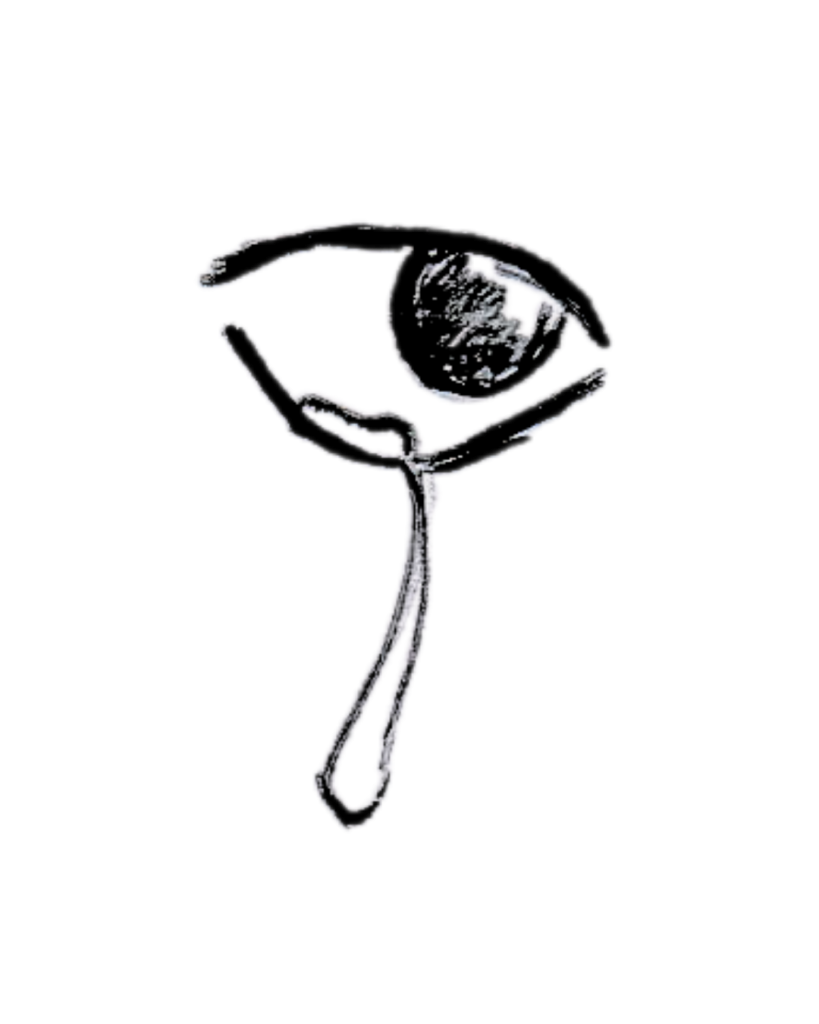
‘Go back?’ Lizzy’s throat croaked as she spoke, tears pricked her eyes‘… to normal?’. She didn’t know how this had happened, the tears began to fall as she felt the familiar ache rise up again – the longing for care – and at the same time a receding of the loneliness, the mask, the anxiety. There was warmth, the early morning sun on her face, and the warmth of another world made possible.
Our new report by Dr Stephanie Davis is out now, highlighting the denial of the Covid-19 pandemic’s ongoingness, and explores how folks who are positioned as most vulnerable to the virus continue to organise to collectively respond to the current moment.
Related
Land & Racially Just Food Systems
A conversation on the interconnections between food, farming and land with racial and healing justice.
Lived Experience Mental Health in Times of Covid-19
Learnings from user-led mental health initiatives during the pandemic period.
Breathing Spaces: Crisis, Denial, and Building Collective Care in the Age of Pandemics
This report reflects on the Covid-19 pandemic, the denial of its ongoingness and how folks who are positioned as most vulnerable to the virus continue to organise to collectively respond to the current moment.

Dear Comrade…
One of the strengths of our movements for liberation is in turning towards the trouble, not away. A letter drawing on a transformative justice lens to resist polarisation.

Understanding Welfare State Violence
Calling some people a ‘burden’ provides a cover story for welfare state violence.
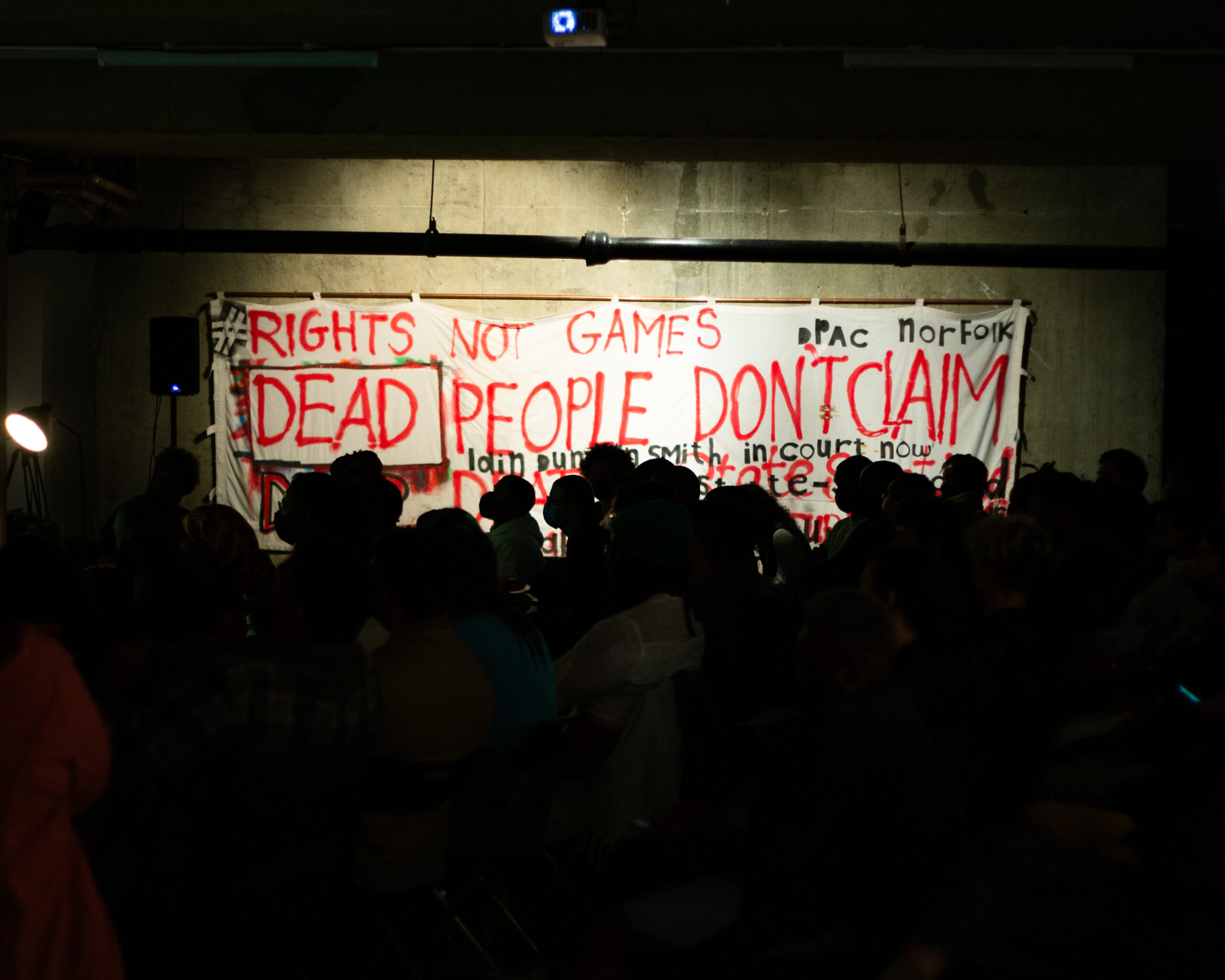
Deaths by Welfare
Explore the the Deaths by Welfare Project timeline, podcasts, resources, and videos. Together we are transforming our understanding of welfare state violence.