it’s ok, you’re ok
By Jahia LaSangoma
Artist’s Statement
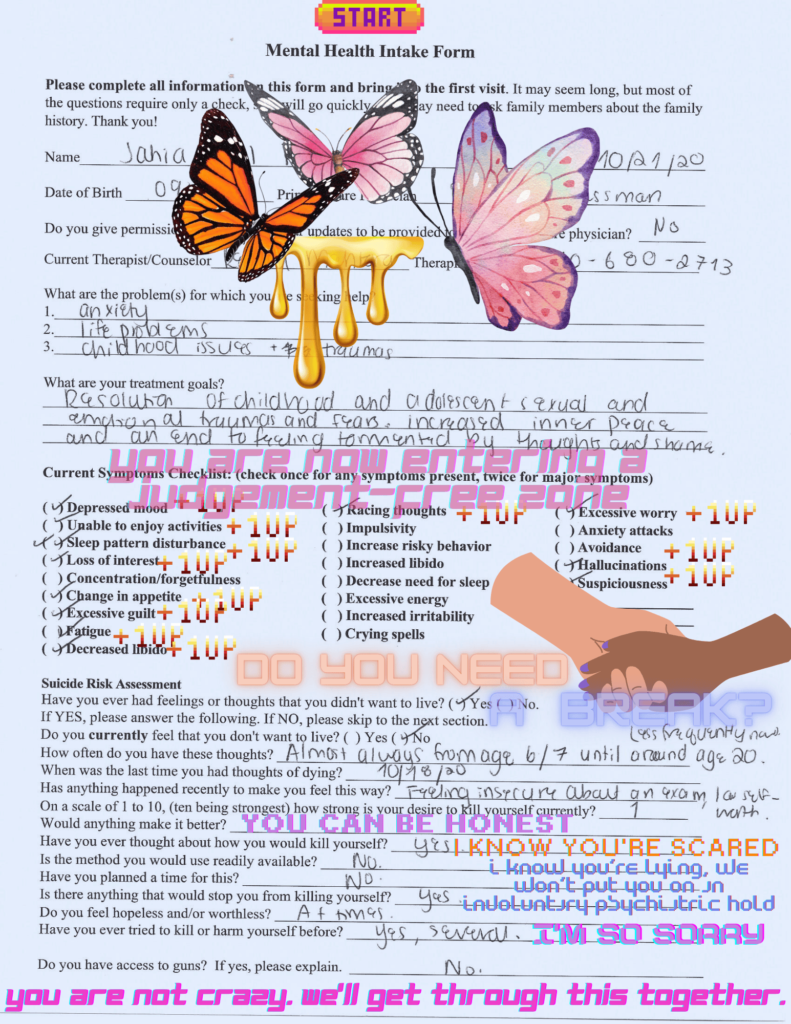
Jahia LaSangoma reimagines the mental health intake form outside of its history of retraumatization, stigma, and isolation for the artist.
Raised in the United States of America, in a state flush with profit-making mental-illness treatment centers and bearing the legacy of institutions like the Crownsville Hospital for the Negro Insane, Jahia LaSangoma cycled in and out of psychiatry, ineffective therapy, mandatory outpatient programming, overmedication, and pyschatric hospitalization between the ages of eight and nineteen years old.
The artist quickly learned as a child that there are wrong answers at intake; the mental health intake form is in actuality a test, asking, “How crazy are you?” She learned to give the ‘right’ answers, to avoid additional stigma and the dreaded threat of involuntary pyschiatric hold–giving the right answers, however, prevented her from getting any actual help.
Using the first page of a seven-page document from one of the artist’s last desperate attempts to get treatment for the underlying cause of over a decade of misdiagnoses, it’s ok, you’re ok seeks to lift the heavy lifelong weight of the label ‘crazy’ from the artist’s shoulders and create what would have been a helpful process of intake for her: one with empathy, individualized responses to her history, and a recognition of the impact on a person in crisis of being asked to relive almost all of her previous trauma, shame, and suicide attempts on the very first page.
Rather than a test to be passed or failed, it’s ok, you’re ok transmutes the intake process into one of the 8-bit video games the artist found solace in during her youth: in which points are gained–rather than lost–for honesty, where lies are easily detected, and where she is accompanied by a supportive structure during a process in which she was typically left alone to relive her painful history page by page for the perusal of complete strangers.
Learn more about the artist: https://linktr.ee/lasangoma
Related
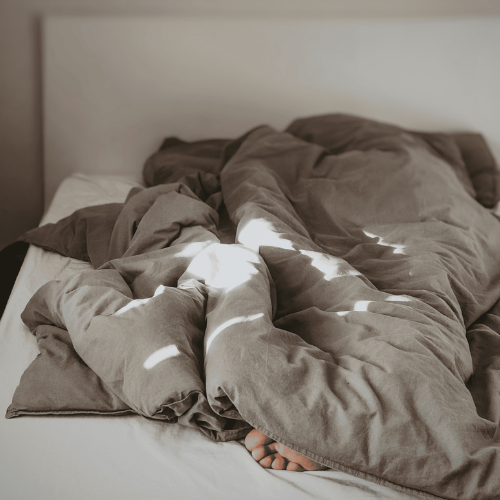
An Open Letter To My Bed
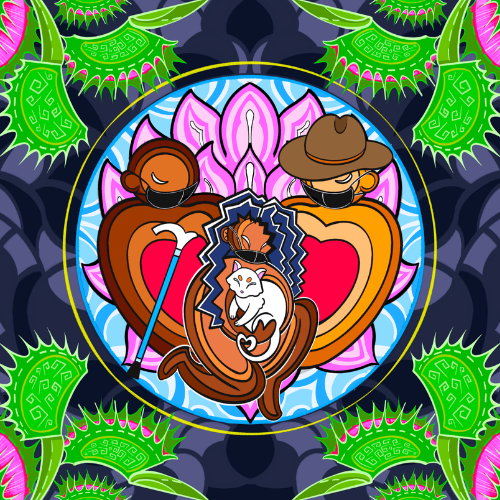
Compromised – Surviving In Isolation
Abstract digital illustration of a family keeping each other safe by Amaranthia Sepia
Convalescence
Poetry and free writing exploration of convalescence by Saskia Horton
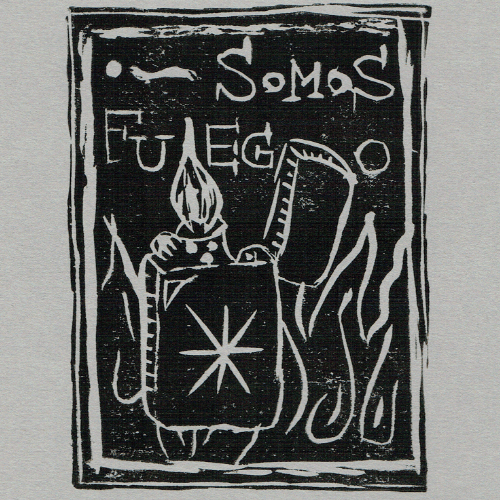
Somos fuego: Amulets from the Locus* project
Amulets made by participants of the Locus* art workshop with Nada Colectivo

The Light Between the Shadows
A photo series of light and shadows taken during Dianna O’Shannon’s stay in a psychiatric unit
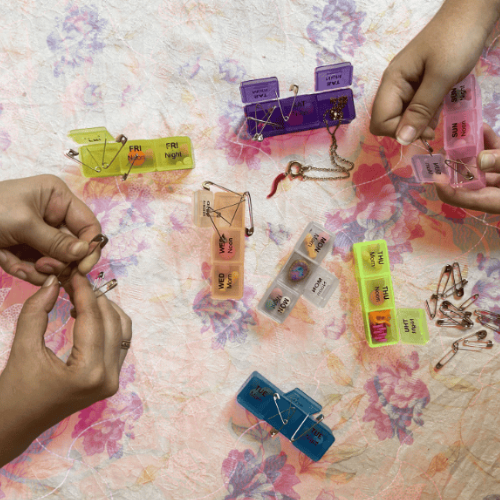
Beyond Pills: Mapping Community Care through Memorabilia
A photo essay by Divya Mahatme exploring moments where care is both a gift and a loss.